Can’t Sleep? Techniques to Try (2026)
Updated: February 11, 2026 | Published: January 16, 2026

Struggling to fall asleep or stay asleep is more common than you might think. Whether it’s a racing mind, difficulties with routine, or just a restless night, poor sleep can leave you feeling groggy, unfocused, and low on energy the next day. And this restlessness can compound night after night.
The good news is that there are a number of science-backed techniques for sleeping better. From adjusting your sleep environment to building better habits, these strategies are simple and can improve your sleep over time.
Note: If sleep issues continue for more than a few nights or start affecting your daily life, you should speak with a healthcare professional. They can help identify underlying issues and guide you to the right support.
Disclaimer: We co-authored this article with certified sleep consultant Brooke Hohenadel. The following tips, including those from Brooke, are general recommendations and aren’t meant to replace your doctor’s professional diagnosis. Always consult your physician before making any changes to your personal healthcare.
Technique-1: Try a Relaxation Routine
A racing mind can make it hard for your body to shift into sleep mode. Adding a relaxation routine to your evening, even a short one, can help calm your nervous system and make it easier to fall asleep. Guided breathing, progressive muscle relaxation, and meditation are all useful tools. Here are two options you can try while in bed.
- Box Breathing: Inhale for four seconds, hold for four seconds, exhale for four seconds, and hold again for four seconds (a 4-4-4-4 breathing pattern). This signals your heart and brain to slow down, helping your nervous system to relax.
- 5-minute Body Scan: Take 5 minutes to slowly bring attention to each part of your body, starting at your toes and moving up to your head.
The more consistently you train these relaxation techniques, the easier you’ll find it becomes over time.
Brooke’s Tip: |
|---|
If you’re awake in bed for 15–20 minutes, get up and do something calm in low light. Return only when you feel sleepy to retrain your brain to link bed with sleep. |
Technique 2: Optimize Your Sleep Environment
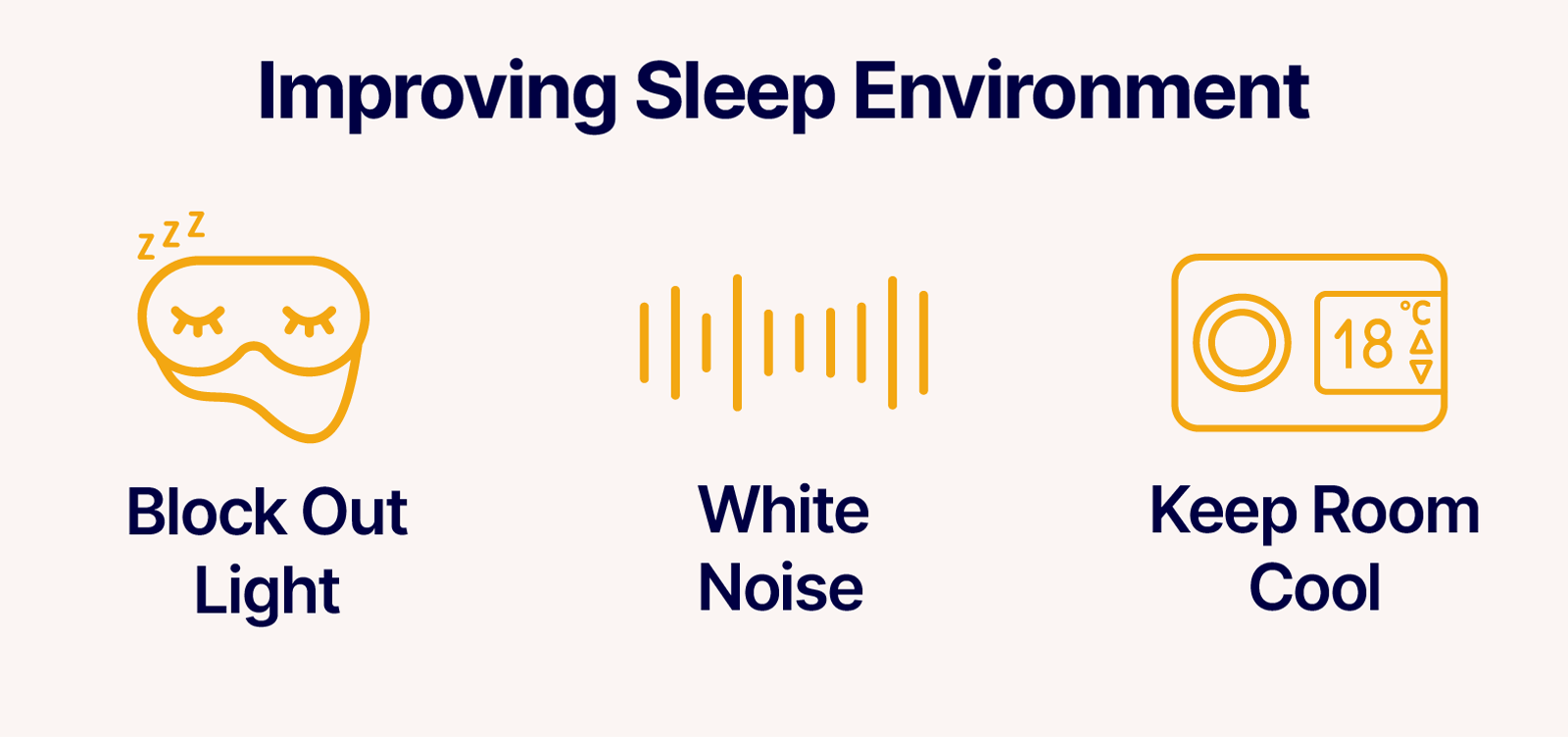
Small changes to your bedroom environment can have a big impact on your sleep. Light, noise, and temperature all play a role in how well you rest. If you’re sensitive to light, try using blackout curtains or an eye mask. If you like background noise, consider a white noise machine or a fan. Most people sleep best in a room that’s slightly cool, at around 18 degrees Celsius (~65 degrees Fahrenheit).
Your mattress also matters. If it’s too soft, too firm, or worn out, your body will have difficulty relaxing. Using a supportive medium-firm mattress can help you stay comfortable in one position without tossing and turning, so you wake up feeling more rested. Check out the full list of our top-ranked medium-firm mattresses in Canada.
Brooke’s Tip: |
|---|
Think of your bedroom as a sleep-only zone to help your brain link the space with rest. Avoid working, watching TV, or using your phone in bed, these weaken that connection. Block out even small light sources to prevent nighttime disruptions and support deeper sleep. |
Technique 3: Follow a Consistent Sleep Schedule
One of the best ways to improve your sleep is by going to bed and waking up at the same time every day, even on weekends. A consistent schedule helps regulate your circadian rhythm, which acts as your body’s internal clock. When that rhythm is consistent and stable, it’s easier to fall asleep and wake up feeling rested.
If your current routine is inconsistent, try adjusting it gradually. Start by shifting your bedtime or wake-up time by 15 to 30 minutes every few days until you’re on a schedule that works for you. Your goal should be to create a personalized pattern your body can rely on, so falling asleep becomes more natural over time.
Brooke’s Tip: |
|---|
Our internal body clock (circadian rhythm) craves consistency, going to bed and waking within 15-30 minutes of the same time every day can help you fall asleep easier and sleep better overall. |
Technique 4: Limit Screen Time Before Bed
Computers, phones, tablets, and TVs can all make it harder to fall asleep, even if you’re already tired. Screens often give off blue light, which can suppress melatonin production. Melatonin is the hormone that makes you feel sleepy, so scrolling or watching videos can keep your brain active when it should be winding down. A melatonin deficiency can also stop you from sleeping as long as you need to.
To give yourself a better chance at quality sleep, put all of your screens away at least 30 minutes before bed. Try replacing that screen time with a more relaxing activity, like reading a book or listening to calming music.
Brooke’s Tip: |
|---|
Social media, emails, and news can trigger emotional or cognitive arousal that delays sleep. Consuming intense or negative content before bed can also influence dreams, potentially causing vivid or upsetting dreams and nighttime awakenings. |
Technique 5: Try Gentle Movement or Stretching
If you work an office job or spend a lot of time sitting, your body may hold onto tension that makes it harder to relax at night. Gentle movement or light stretching before bed can help release that tension and prepare your body for rest. The goal here isn’t a full workout, just a few simple stretches:
- Try rolling your shoulders or slowly tilting your head side to side to ease tightness in your neck.
- You can also try a seated forward fold, a yoga pose that stretches your back body. Sit tall with your legs extended in front of you, then hinge forward at your hips to fold forward while reaching for your feet and ankles.
Brooke’s Tip: |
|---|
Pairing stretches with slow nasal breathing enhances relaxation and signals safety to the nervous system. This is especially helpful for people who have a lot of stress and need to clear cortisol levels before bedtime. |
Technique 6: Adjust What You Eat and Drink Before Bed
What you consume in the evening can have a big impact on how well you sleep. Caffeine, alcohol, and sugary snacks can all interfere with your ability to fall asleep, stay asleep, and sleep deeply. Heavy meals too close to bedtime can also be a problem. They may cause indigestion, heartburn, or general discomfort that makes it harder to settle in and fall asleep. Try to finish larger meals 2–4 hours before heading to bed.
If you’re looking for a nighttime drink, aim for something caffeine-free, like herbal tea. Chamomile, peppermint, and lavender are popular choices. If you need a snack, keep it light and simple. Choosing the right foods and drinks in the hours before bed can help your body wind down more easily.
Brooke’s Tip: |
|---|
In these cases, a small, balanced snack that includes protein and complex carbohydrates (eg. Cottage cheese with pineapple or Whole-grain crackers with hummus) can help maintain stable blood sugar and support uninterrupted sleep. |
Technique 7: Look Into Sleep-Supporting Products
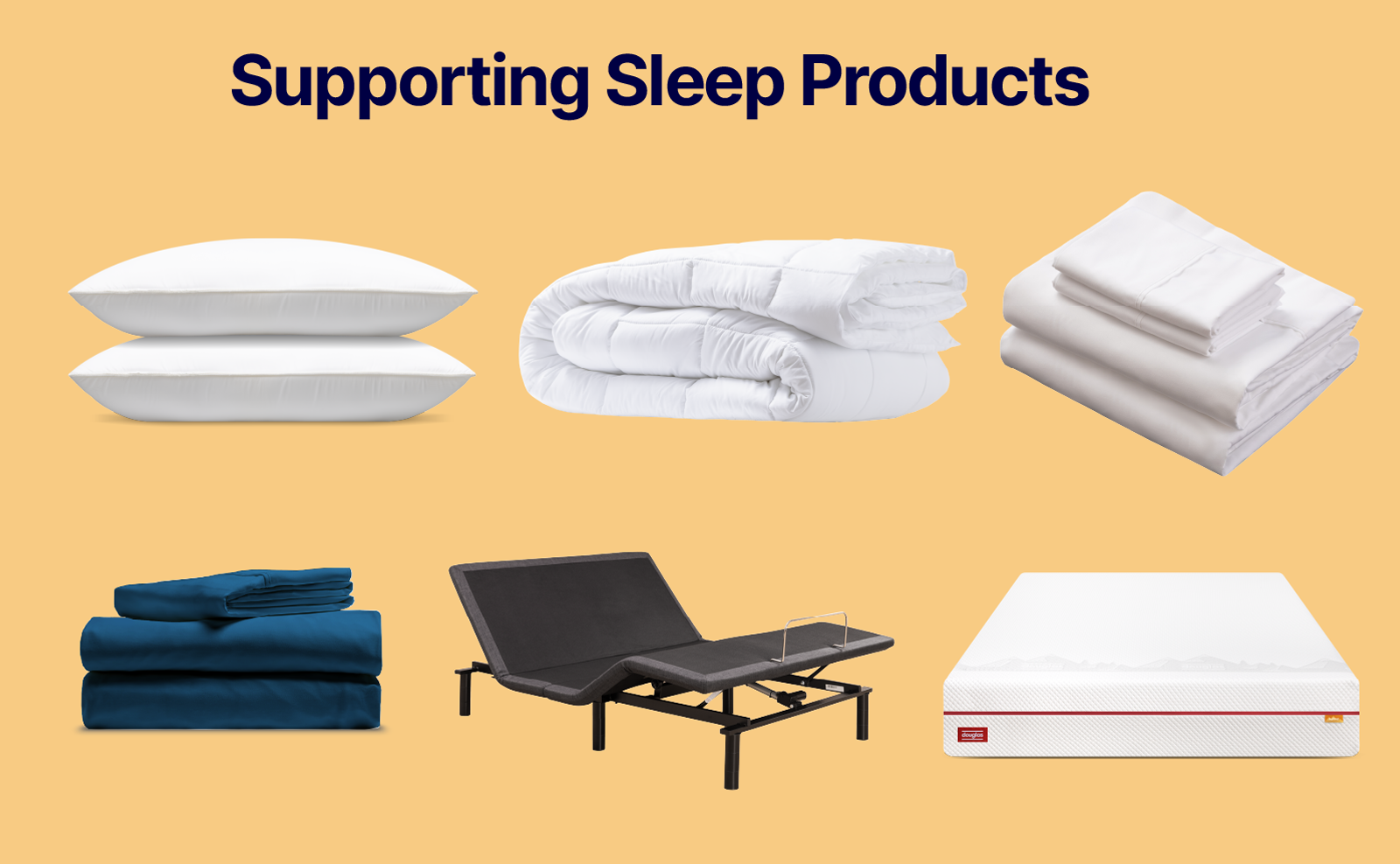
Your nighttime habits, sleep environment, and mattress aren’t the only things that can impact your sleep. Your bedding, pillows, bed frame, and bed accessories, such as mattress protectors, can also impact how well you sleep. If you find that your bedding is uncomfortable, switching to bedding made from different materials can help.
Sleepers who tend to overheat, for example, might benefit from cotton sheets because cotton is breathable. Or, if you sleep better when parts of your body are elevated, an adjustable bed base might be helpful.
Every sleeper is unique, so learning how to fall asleep faster, stay asleep, or sleep longer will depend on your individual needs and preferences. It’s never too late to start improving your sleep, and even small changes (like trying one of the techniques above) can make a big difference.
Frequently Asked Questions
Why can’t I fall asleep even when I’m tired?
There are many possible reasons why you can’t fall asleep even if you’re tired.
Even if you feel physically tired, your mind might still be active. Stress, screen time, irregular sleep schedules, or caffeine too late in the day can all make it harder to fall asleep. Other common reasons include eating too close to bedtime, noise or light in your sleep environment, or health issues like anxiety or sleep disorders.
Your sleeping arrangements might also be a factor. If your mattress is uncomfortable (or even causing you pain), it might be time for a new bed.
How can I fall asleep fast naturally?
Start by creating a wind-down routine at the same time each night. Turn off all screens at least 30 minutes before bed, and try activities like reading or gentle stretching.
Keeping your bedroom dark and quiet can help. Some people find deep breathing or meditation useful, too. If you’re still awake after 20 minutes in bed, try getting up and doing something relaxing in low light until you feel sleepy.
What should I avoid if I can’t sleep?
Try to avoid watching the clock, scrolling your phone, or lying in bed for too long if you’re wide awake. These habits can make your brain associate your bed with frustration rather than rest. You should also steer clear of caffeine late in the day, heavy meals at night, and alcohol close to bedtime.
When should I see a doctor about sleep issues?
If you’re having trouble falling or staying asleep at least three nights a week for more than a few weeks, it may be time to talk to a doctor. They can help rule out any underlying conditions and recommend strategies or treatments that are right for you.
Top Pick 2026
Douglas Original
Best Canadian Foam Mattress
- 365-night sleep trial, 20-year warranty, and free bedding bundle with purchase
- Excellent motion isolation
- Cooling gel foam comfort layer
BETTER SLEEP SALE Buy any Douglas mattress today and get a FREE Comfort Sleep Bundle + Duvet Set, 20% OFF Adjustable Beds, and 15% OFF All Accessories. See website for details >
Sponsored Ad
Table of Contents
- Technique 1: Try a Relaxation Routine
- Technique 2: Optimize Your Sleep Environment
- Technique 3: Follow a Consistent Sleep Schedule
- Technique 4: Limit Screen Time Before Bed
- Technique 5: Try Gentle Movement or Stretching
- Technique 6: Adjust What You Eat and Drink Before Bed
- Technique 7: Look Into Sleep-Supporting Products
- Frequently Asked Questions


 Save
Save
Save
Save