

- 365-night sleep trial, 15-year warranty, and free bedding bundle with purchase
- Excellent motion isolation
- Cooling gel comfort layer with Polar® temperature-balancing technology






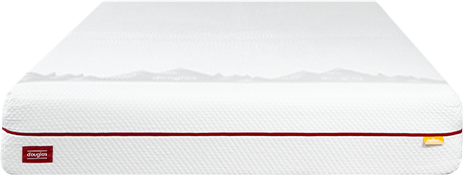
Douglas Alpine is our pick for the best mattress for side sleepers in Canada, according to our scoring methodology that factors in performance results from third-party APEGA-certified engineers (commissioned by us).
By combining a balanced medium-firm feel with advanced cooling features, a cushioned top layer for pressure relief, excellent motion isolation (8.5/10), and a generous sleep trial and warranty, this Canadian-made Douglas foam mattress is our top pick for side sleepers shopping in Canada.
Side sleeping is one of the most common sleeping positions. It’s often recommended by sleep experts as an ideal sleeping position for its benefits in relieving back pain, aiding digestion, reducing heartburn, and reducing snoring and sleep apnea. It helps keep your spine aligned and evenly distributes your body weight across the mattress, so pressure isn’t concentrated in one area.
While sleeping on your side can provide all of these benefits, without the right mattress, it can also make you more prone to increased pressure points. These unique benefits and drawbacks mean that side sleepers often need different support than back and stomach sleepers. Side sleepers should look for a medium to medium-firm mattress that helps keep their spine aligned while providing good pressure relief.
At MattressReviews.ca, we’ve tested over 120 mattresses using commissioned independent third-party engineer testing alongside 40+ other important criteria, and we’ve worked with medical professionals to help validate the factors most important for people who sleep on their side, identifying the best mattresses for side sleepers in Canada.





Best Canadian Foam Mattress

The manufacturing origin listed here is based on the law label of the specific mattress we tested. Learn more >
Our Top Pick For a Good Night’s Sleep

The manufacturing origin listed here is based on the law label of the specific mattress we tested. Learn more >
Our Pick for Best Luxury Hybrid Mattress

The manufacturing origin listed here is based on the law label of the specific mattress we tested. Learn more >
Best Canadian Value Foam Mattress
Side sleeping, while comfortable for many, can sometimes create pressure points in certain areas that can lead to hip discomfort and sore shoulders, especially if your mattress is too firm for your body. This is because when you lie on your side, your weight is concentrated on areas where your body is most in contact with the mattress, namely your hips and shoulders. A mattress that’s too firm will push the pressure back onto your body—instead of cushioning these spots—and cause pressure points.
Choosing a mattress with additional comfort layers, such as the Douglas Alpine, is a good idea if you’re a side sleeper. Alpine uses materials such as cushioning ecoLight® cooling gel foam and Elastex® transition foam to create a sleep surface that cradles the body’s curves. Douglas has a medium-firm feel that will cushion your pressure points while remaining supportive and responsive.
Maintaining proper spinal alignment throughout the night affects not only the quality of your sleep but also how you feel physically during the day. When your body is not properly aligned at night, any pain you go to bed with can become exacerbated, creating a cycle of discomfort when you wake up.
As Dr. Keung notes, “side sleeping places a greater mechanical load on major contact points such as the shoulders and hips, making adequate pressure relief essential for comfort and proper spinal alignment.“
Without enough contouring support, excessive pressure can build in these areas, compressing soft tissues and contributing to soreness or stiffness upon waking. For side sleepers, choosing a mattress with a medium-to-medium-firm feel is ideal. This balanced firmness level helps to keep your spine properly aligned, avoid joint strain, and reduce pressure points. Lighter-weight sleepers may prefer a slightly softer feel because they sink less deeply into the mattress. Heavier sleepers often benefit from a slightly firmer mattress that provides pressure relief without excessive sinking.
A mattress like the Douglas Alpine, with a firmness score of 6.1/10, is a medium-firm mattress that offers both plush comfort and sturdy support. If you prefer a mattress that’s on the firmer end of medium-firm with a little more support, consider a hybrid mattress like Logan & Cove Choice, which has a higher firmness score of 6.9/10, and a robust coil system for enhanced support.
When sleeping with a partner, children, or pets, it’s important to consider their sleep styles, how their movements during the night may disturb your sleep, and how to minimize these disturbances. For example, if your partner primarily sleeps on their stomach, you’ll need a mattress that accommodates both of your sleeping preferences. Look for a mattress that offers a balanced level of firmness—neither too soft for a stomach sleeper nor too firm for a side sleeper.
One option is to choose a medium-firm mattress, which is generally suitable for most sleepers. Alternatively, you might consider a split-king bed, allowing each of you to customize your side of the mattress to better meet your individual needs.
Additionally, consider the level of motion isolation the mattress provides. This feature will determine how much movement is transferred across the bed, which is particularly important if you are a light sleeper who sleeps with a partner who tosses and turns at night. A medium-firm mattress like Douglas Alpine is a good option for couples, with a high motion isolation score of 8.5/10.
READ MORE: How to sleep better as a couple
An important consideration when mattress shopping—regardless of your sleep position—is whether the company you’re purchasing a mattress from offers competitive policies on warranties, returns, and customer service, and has a good reputation.
The industry standard for sleep trials (how long you can try the mattress at home before deciding if it’s the right mattress for you) is 100 nights. The industry-standard warranty period for mattresses is 10 years. However, some brands like Douglas offer longer-than-industry-average policies, such as a 365-night sleep trial and a 15-year warranty, so you can try out your mattress and have it protected for longer.
While side sleeping can be a good position for keeping your back aligned and promoting proper breathing, it can also lead to sleep discomfort or pain due to improper posture or an unsupportive mattress.
Many side sleepers opt for softer mattresses, often foam, for their pressure-relieving properties. While foam excels at cushioning pressure points, it can also trap heat, creating an overly warm sleep environment. If you also naturally run hot at night, this effect can be exacerbated.
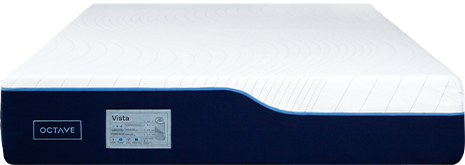
When choosing a mattress, look for one that addresses overheating by incorporating cooling and airflow features such as cooling gel foam, open-cell foam, or phase-change materials, such as the Octave Vista, our top-rated cooling mattress.
READ MORE: Best cooling mattresses in Canada.
Side sleeping on a mattress that’s too firm can lead to insufficient pressure relief in the areas where most of your weight is concentrated. In this sleeping position, your hips bear most of your body weight. If your hips can’t sink sufficiently into the mattress, pressure points may form, leading to hip and back pain. In contrast, side sleeping on an unsupportive mattress can cause your hips to sink in too far, leading to spinal misalignment and back pain.
The Logan & Cove Choice mattress was our top pick for side sleepers with back pain for features like a zoned support and a thick comfort layer.
The right pillow can also help alleviate hip and back pain when sleeping on your side. As Dr. Keung explains, “A pillow that is too high or too low can misalign the neck and strain surrounding muscles, while a pillow with the proper height helps keep the head and neck in a neutral position. Placing a pillow between the knees can also help keep the pelvis aligned and reduce strain on the hips and lower back by preventing the upper leg from rotating forward.”
Together, proper mattress support and pillow positioning are key to maintaining comfort and alignment during side sleeping.
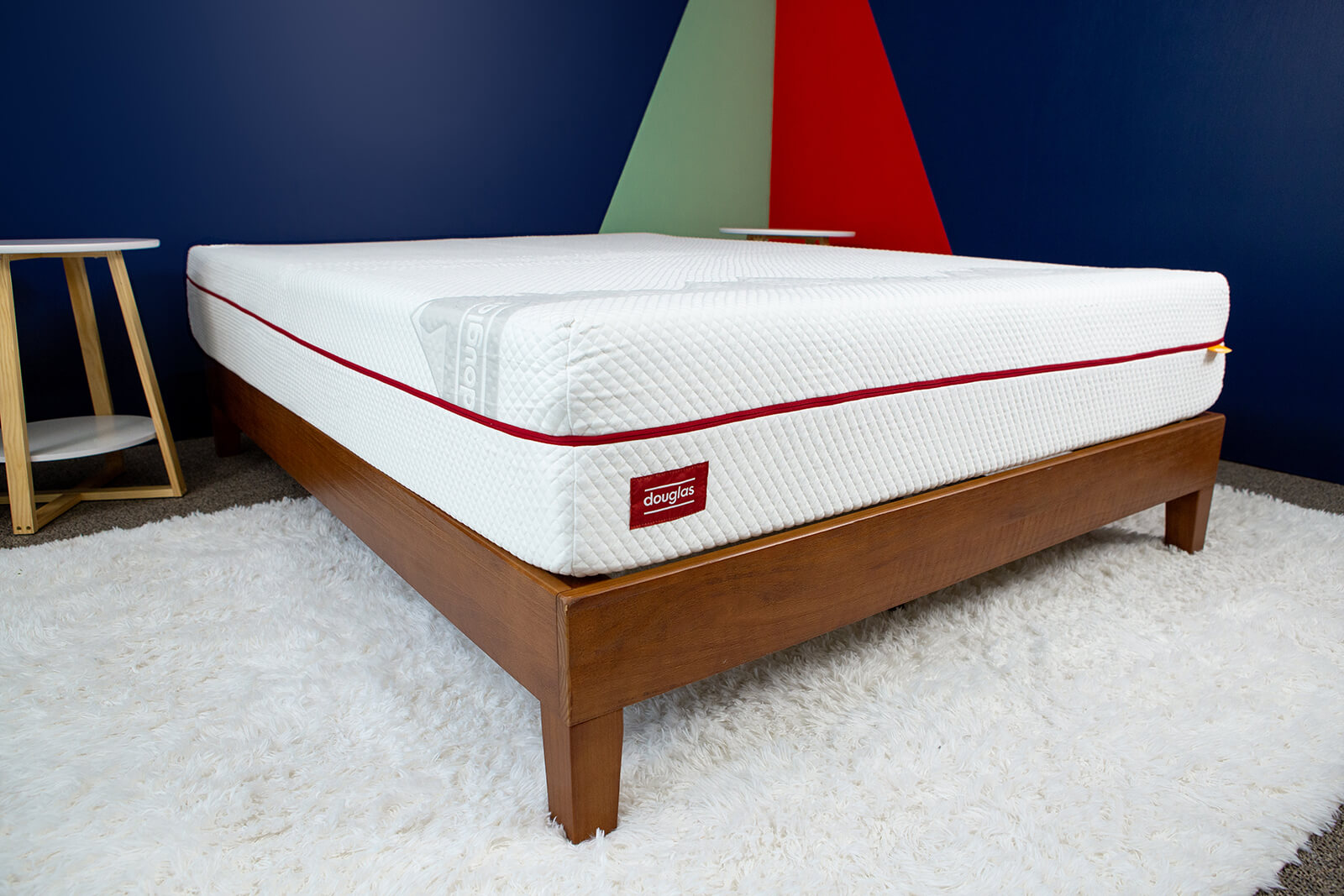
The Douglas Alpine is our top choice for side sleepers in Canada, based on extensive third-party engineer tests (commissioned by us) and evaluations of key factors such as pressure relief, support, and cooling. Its medium-firm feel and thicker comfort layers effectively cushion sensitive areas such as shoulders and hips, ensuring proper spinal alignment and reducing lower back strain.
Additionally, the mattress excels in temperature regulation and motion isolation, thanks to cooling gel foam and Polar® phase-change material that dissipate heat, as well as support foam that minimizes partner disturbances. This combination of features makes the Douglas Alpine our recommended best overall option for side sleepers.
Dr. Keung’s Tip: |
|---|
Medium-firm mattresses are often ideal for side sleepers because they provide enough cushioning to relieve pressure at the shoulders and hips while still maintaining adequate spinal support and alignment. |
Read Douglas Alpine Review Shop Douglas Alpine
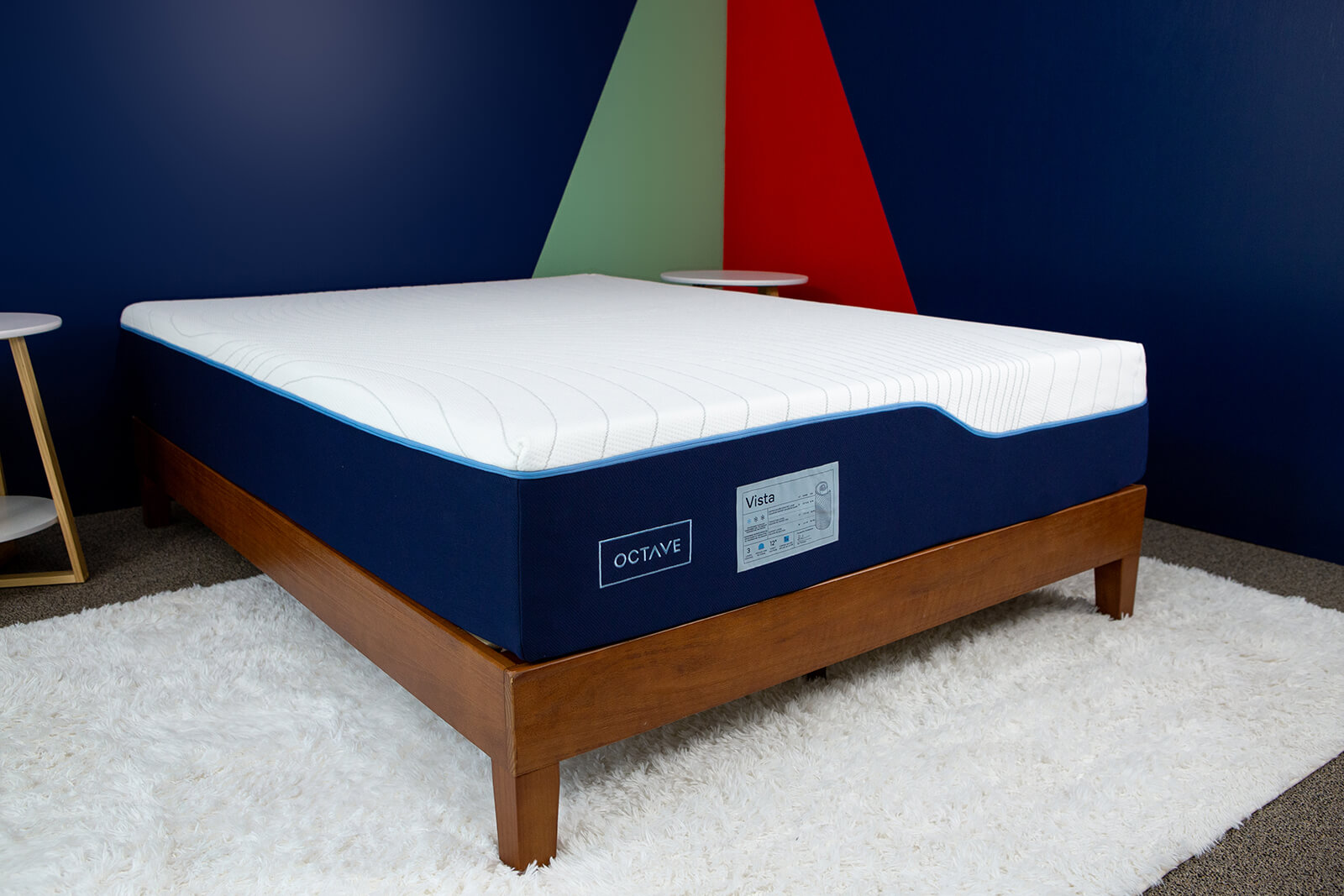
The Octave Vista mattress is our top pick for side sleepers who tend to sleep hot. It combines strong pressure relief with advanced technologies to maintain comfort and a balanced temperature. Designed with a five-zoned ergonomic support system, it provides targeted support and helps keep the spine aligned, cushioning pressure points around the shoulders and hips.
Octave Vista features multiple cooling technologies, including a moisture-wicking cover with CryoFusion™ cooling nanofibres, CopperGel™ memory foam, and PolarMAX® phase-change material. This helps regulate temperature and creates a cooler sleep surface. For those who experience overheating or prefer contouring foam without heat retention, Octave Vista is the ideal choice.
Dr. Keung’s Tip: |
|---|
Zoned support in a mattress is particularly beneficial for side sleepers because different areas of the body require different levels of support to maintain neutral spinal alignment. Softer zones around the shoulders and hips allow these wider areas to sink in enough to relieve pressure, while firmer support under the waist and lumbar region helps keep the spine straight and reduces strain on the lower back. |
Read Octave Vista Review Shop Octave Vista
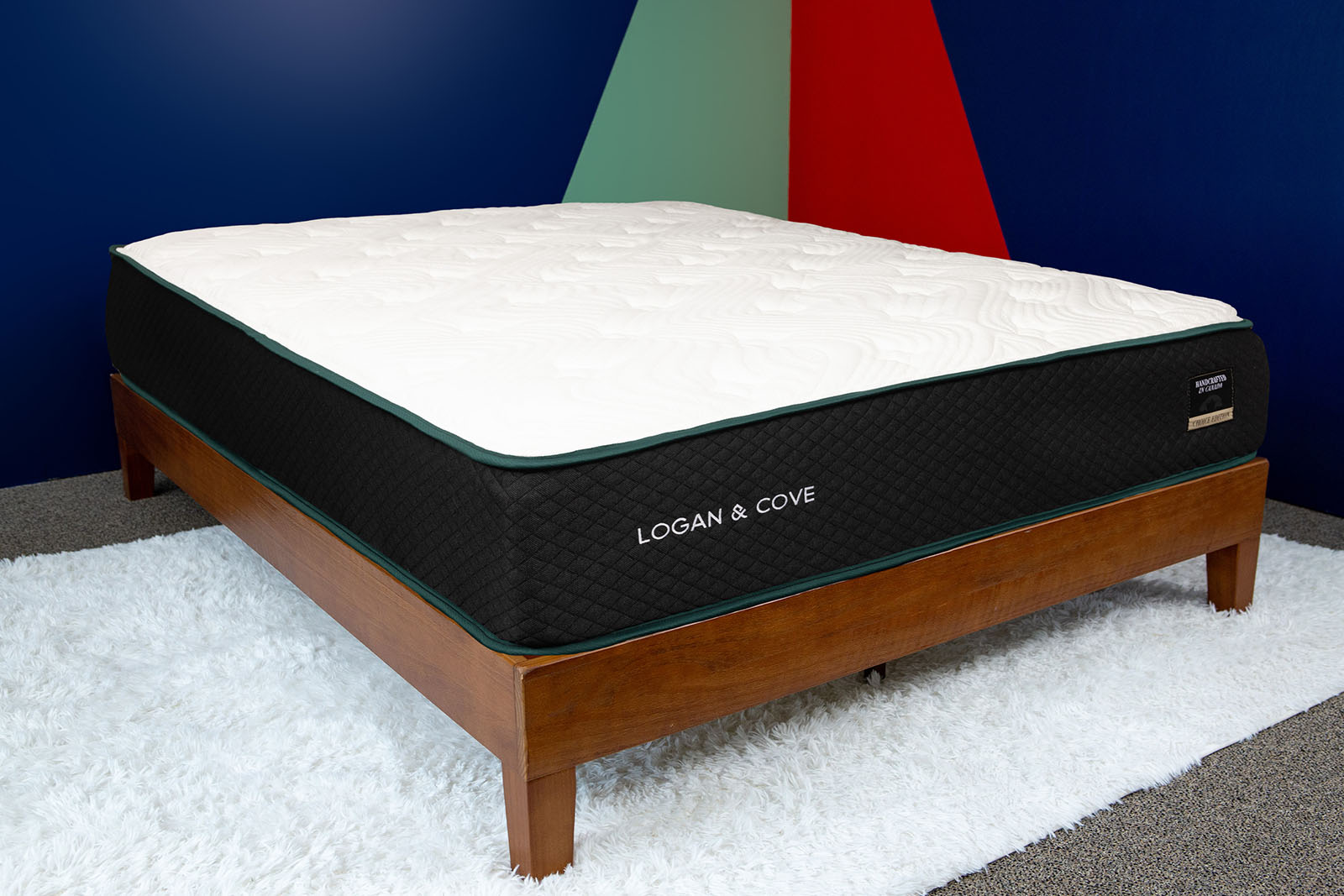
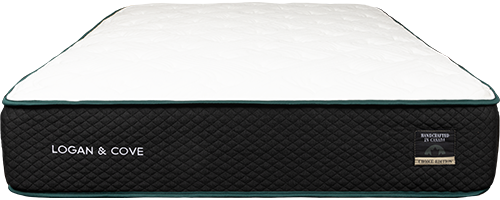
If you prefer the feel of coils, the Logan & Cove Choice is our top hybrid recommendation for side sleepers. Its design features a quilted tight top and layers of body-contouring foams combined with individually pocketed steel coils. This allows the shoulders and hips to sink comfortably into the mattress while providing firmer support for the lower back and midsection, ensuring proper spinal alignment.
What makes a hybrid mattress like the Logan & Cove Choice ideal for side sleepers, compared to a traditional innerspring mattress, is its combination of a thick comfort layer and pocketed coils arranged in three zones. This design allows for greater motion isolation and targeted support.
Dr. Keung’s Tip: |
|---|
Hybrid mattresses may be better for heavier side sleepers because they combine contouring comfort layers with a supportive coil base, allowing better pressure distribution and structural support without excessive sinkage. |
Read Logan & Cove Choice Review Shop Logan & Cove Choice
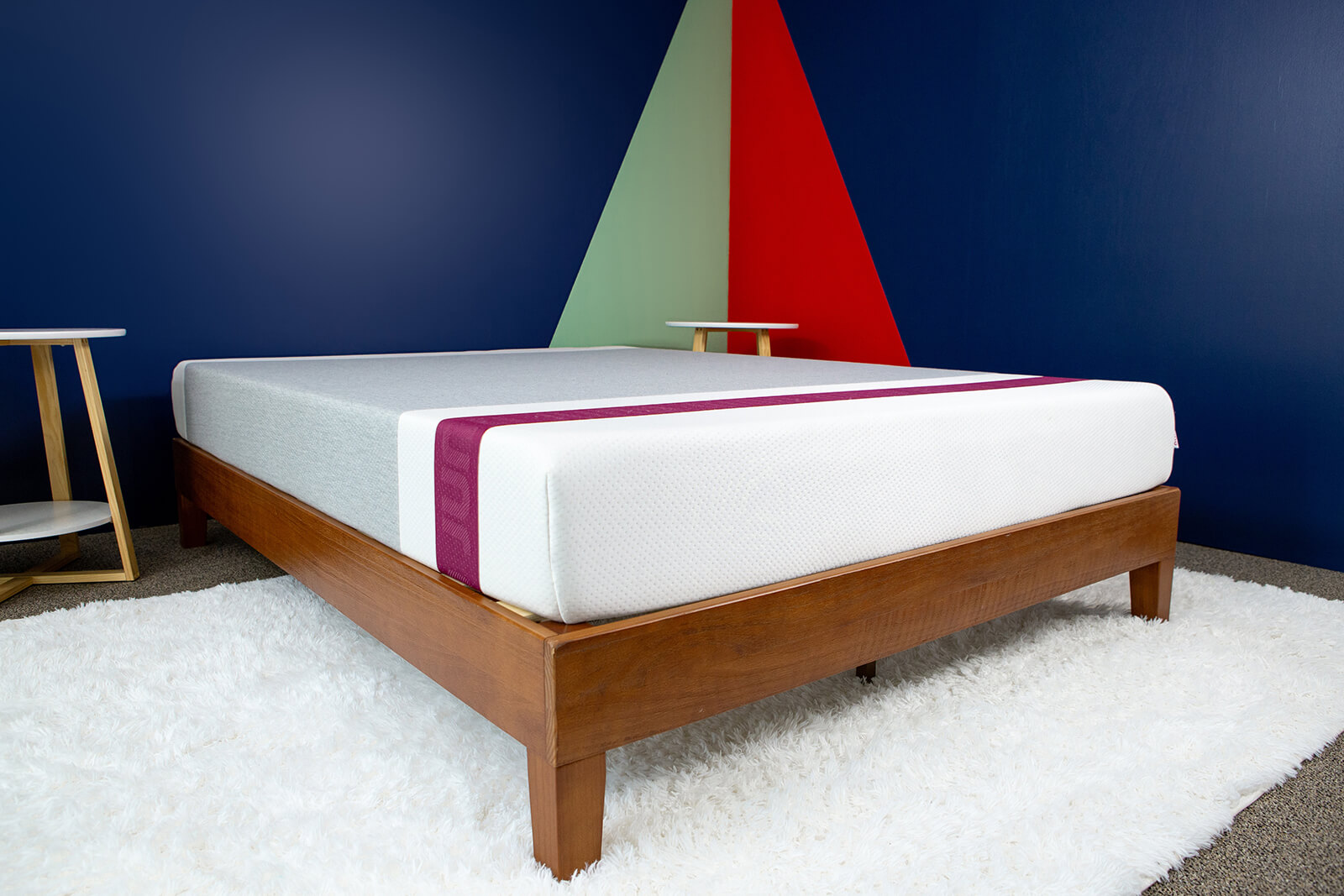
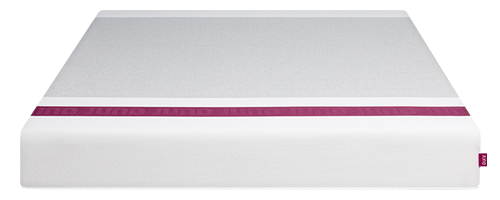
The Juno mattress is great for side sleepers who are also value shoppers looking for a great deal. This mattress is a medium-firm 2-layer model featuring great edge support, above-average motion isolation, and cooling features such as open-cell foam, cooling gel foam, and an optional cooling cover woven with special cooling yarn. Side sleepers will feel supported while experiencing just enough pressure relief for a comfortable sleep.
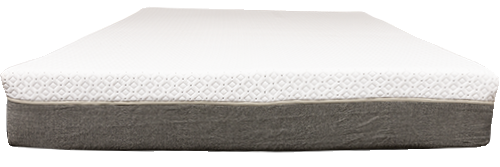
The manufacturing origin listed here is based on the law label of the specific mattress we tested. Learn more >
All-Foam Canadian Mattress
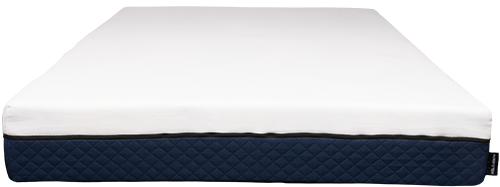
The manufacturing origin listed here is based on the law label of the specific mattress we tested. Learn more >
Standard Bed-In-a-Box With Upgrade Fees
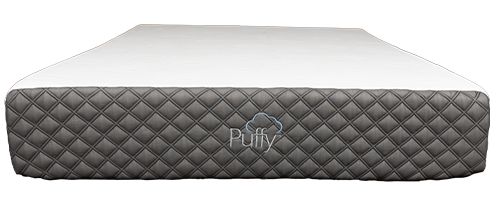
The manufacturing origin listed here is based on the law label of the specific mattress we tested. Learn more >
Memory Foam Mattress with Limited Cooling Features
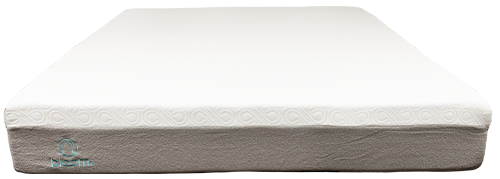
The manufacturing origin listed here is based on the law label of the specific mattress we tested. Learn more >
Memory Foam Mattress With No Refunds
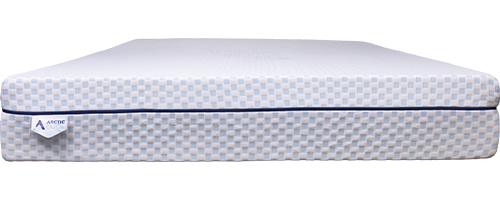
The manufacturing origin listed here is based on the law label of the specific mattress we tested. Learn more >
Affordable Foam Mattress With No Refunds
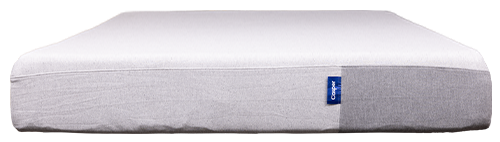
The manufacturing origin listed here is based on the law label of the specific mattress we tested. Learn more >
Memory Foam with Limited Cooling Features
This allows us to accurately rate and compare the performance of the mattresses reviewed on this website. Engineer independence and operating standards help ensure their results remain unbiased, valid, and reliable.
Each mattress was evaluated using the same strict mattress testing methodology to protect the overall integrity of the results. Foam and hybrid mattress test results are scored on separate scales to ensure fair contextual performance representation as much as possible. The full report has been given the official stamp of approval from an APEGA-certified engineer operating under a strict ethical code of conduct.
Mattress testing conducted outside of this professional standard poses a greater risk of validity errors or reviewer bias.
We co-authored this article with Dr. James Keung, a dedicated healthcare provider with expertise in chiropractic care and massage therapy. The following tips, including those from Dr. Keung, are general recommendations and aren’t meant to replace your doctor’s professional diagnosis.
Douglas Alpine is our top pick for the best mattress for side sleepers, based on third-party engineer testing (commissioned by us). In fact, Douglas’s high scores earn their mattresses a top spot on our list of the best mattresses in Canada.
This upgraded combination foam mattress provides exceptional pressure-point relief for side sleepers. Douglas Alpine is also packed with cooling materials that help dissipate heat while you sleep, like cooling gel foam and phase-change material.
Douglas Alpine has a sturdy base made of high-density support foam for lower back support and spinal alignment, along with very good edge support and excellent motion isolation. This mattress shapes itself around your body for comfort and alignment, while delivering pressure-point relief and cushioning.
Alpine received top scores for its use of high-quality materials and excellent value for $999 for a queen size.
A medium-firm foam mattress like Douglas Alpine is ideal for side sleepers. Its pressure-relieving comfort and cooling features help keep you supported and comfortable all night long.
Some side sleepers also don’t enjoy the “sink” or “hug” of a typical foam mattress, which is why a true medium-firm mattress like Douglas is ideal. It combines the pressure-point relief of foam with just the right amount of hug, so you don’t feel like you’re sinking into the mattress.
Douglas Alpine features upgraded cooling with gel foam and phase-change material, along with strong edge support and motion isolation. Your purchase also comes with a free bedding bundle, all for just $999 for a queen size.
If you’re a side sleeper with shoulder and hip pain, pick a combination memory foam mattress like Octave Vista. It features ergonomic zoned support that supports your hips while alleviating pressure points on your shoulders. Plus, antimicrobial copper-infused memory foam contours your body, balances your body temperature throughout the night, and promotes a clean sleep environment. Octave is available at an affordable price of just $1,099 for a queen size.
Have a little extra room in your budget? Take a look at Octave Horizon, the most upgraded mattress in the Octave line. It includes the most features to promote restorative sleep with targeted pressure-point relief, spinal alignment support, and ample motion isolation to help you sleep deeply throughout the night. Horizon also has the most advanced cooling features of any mattress we’ve tested, including a moisture-wicking cover with cooling nanofibres, a breathable latex layer, and gel foam with temperature-balancing phase-change material. Get a lot more for a slightly higher price of $1,599 for a queen size.
If you live with back pain, you might like the Octave Vista mattress, our highest-rated mattress for back pain. Octave earned this title thanks to its strong engineer test scores (that we commissioned), zoned support, high customer ratings, and company policies. Even more importantly, 88% of Octave customers with back pain reported that their Octave mattress helped relieve their pain.
Octave provides zoned support and cushioning at your shoulders and hips to relieve pressure, keep your spine properly aligned, and alleviate back pain, encouraging restful, restorative sleep. Its medium-firm feel is ideal for side sleepers, including those who are heavier. Vista also contains premium Elastex® foam, which mimics the supportive and responsive properties of natural latex foam—ideal for those with lower back pain—without the high price tag associated with many natural latex mattresses. Get a queen-size Octave Vista for just $1,099.
READ MORE: Best sleeping positions for back pain
Logan & Cove Choice, rated the Best Luxury Hybrid Mattress by Canadian Living, is our top pick for the best mattress for heavy sleepers, including side sleepers.
If you feel like you sink too far into foam mattresses, we think you’ll like the supportive feel of a hybrid mattress. Logan & Cove Choice offers a 3-zone support system with up to 1,152 individually wrapped pocket coils, depending on the size, for targeted support and spinal alignment. You can expect to sleep better with comfortably supported shoulders and hips.
Logan & Cove Choice has cooling foams, a cushioned top cover, a 365-night sleep trial, and a 15-year warranty. It’s also more accessibly priced than many hybrid mattresses in Canada at just $1,199 for a queen size.
Douglas Alpine is the best mattress for side sleepers and costs only $999 for a queen size. For that price, you get a perfectly medium-firm feel, excellent edge support, superior motion isolation, and advanced cooling features like gel foam and phase-change material. You’ll also enjoy the 365-night sleep trial, 15-year warranty, and free bedding bundle with purchase.
According to experts, a medium-firm mattress is commonly favoured by most side sleepers. However, the ideal firmness for someone can also depend on whether they are a lighter or heavier individual. Lighter-weight individuals exert less pressure on their mattress, so they won’t sink as much into the surface as a heavier-weight individual, and thus prefer a softer feel, closer to a medium mattress.
READ MORE: What mattress firmness is right for you?
Hip discomfort when side sleeping can occur due to excessive pressure on the hip in this position, especially if the mattress is too firm and doesn’t provide enough pressure relief.
Hence, one of the best ways to reduce hip pain at night if you’re a side sleeper is to ensure your mattress provides enough cushioning for your body to sink in and relieve pressure points. A medium-firm mattress is ideal for most sleepers for this reason. Another option is to place a pillow between your knees to better align your hips.
Some preventive and therapeutic measures that Dr. Keung recommends are using ice to reduce inflammation, applying heat to relax tight muscles before bed, and adding some hip stretches to your routine. If your hip pain persists, you should consult a medical professional for further advice.
Sleeping on either side will provide most of the benefits of side sleeping (such as pressure-point relief and spinal alignment) for the majority of people, but there are some recommendations:
Side sleepers benefit most from a softer, higher-loft pillow to help keep their head and neck aligned for proper spinal alignment. According to Dr. James, “pillow height plays a critical role in maintaining neutral spinal alignment during side sleeping, as it must bridge the gap between the shoulder and head while supporting the cervical spine”.
Studies show that optimal pillow height varies based on individual body dimensions, such as shoulder width, and improper loft can disrupt spinal alignment and increase strain on the neck and shoulders. A pillow like the Douglas Adjustable Memory Foam pillow is a good choice, letting you adjust the loft to achieve a perfect height for your needs.
READ MORE: Our list of top-ranked pillows in Canada
The key to sleeping comfortably on your side is to have supportive pillows for your head and between your legs. A supportive head pillow for side sleepers is soft yet tall (aka high loft), and supports the “shoulder gap,” the space between your neck and shoulder. This helps keep the upper spine aligned, reducing neck pain and tension in your upper back. A pillow between your legs not only helps reduce strain on your knees but also keeps your shoulder and hip in contact with the bed, with the shoulder and hip facing up, maintaining a neutral spine.
Sleeping on a supportive yet pressure-relieving mattress, like a Douglas Alpine, also helps with comfortable side sleeping.
Yes, side sleeping is commonly considered a healthy sleeping position that helps maintain spinal alignment, protects your back, and reduces back pain. However, Dr. Keung reminds that “appropriate support is necessary to distribute body weight evenly and reduce stress at key pressure points such as the shoulders and hips.”
This includes using a pillow with the correct height to keep the neck in a neutral position, placing a pillow between the knees to maintain pelvic alignment and reduce strain on the hips and lower back, and choosing a supportive medium-firm mattress that balances pressure relief with spinal support.
Mattresses fall into many different categories. Each has different characteristics that are a good fit for a variety of sleep styles. Here are just a few types of mattresses:
When you’re choosing a mattress, it’s important to consider more than just how comfortable it is. There is a whole range of factors to keep in mind, which we list below. (And when you’re ready to buy, make sure you buy a mattress online vs. in store.)
You May Prefer Our Top Pick 2026

9.8/10

The award-winning and Canadian-made Douglas mattresses offer unbeatable value and include: FREE bedding bundle, a 365-night sleep trial, and cooling gel foams for optimal comfort.
References:
Top Pick 2026
Best Canadian Foam Mattress
FALL SAVINGS EVENT ON NOW! Buy any Douglas mattress today and get a FREE Comfort Sleep Bundle + Duvet Set, Up to 20% OFF Bed Frames, and 15% OFF All Accessories. See website for details >
Sponsored Ad
Table of Contents


 Save
Save
Save
Save