

- 365-night sleep trial and 15-year warranty
- Zoned support and advanced cooling features
- Free bedding bundle with purchase






If you’re a heavy sleeper, the real question isn’t “which mattress is comfortable now” but “which mattress will still be comfortable in 3-5 years?”
After evaluating 120+ mattresses against third-party engineering test data and 40+ criteria, Logan & Cove Choice is our top pick for the best mattress for heavy sleepers in Canada. It combines a reinforced 3-zone coil system rated for up to 500 lb, very good edge support, a 365-night sleep trial, and a 15-year warranty, all for $1,199 for a queen size.
That reinforcement matters because heavier sleepers place greater loads on a mattress, compressing foam and coils faster than a lighter sleeper’s weight would, Dr. James Keung states. This can lead to sagging, body impressions, and weak edge support over time, which is why he recommends a mattress with a stronger support core in this case.
Below, we break down our full evaluation criteria and our top pick by sleep profile.
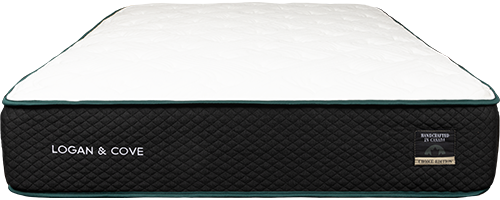
Logan & Cove Choice earned our top spot for heavier sleepers thanks to its up to 1,200 zoned coils reinforced under the torso and hips to help limit excessive sinking and provide more consistent support, with an overall 500-lb capacity.
Cooling gel foam and nanofibre fill combine to offset the additional heat retention associated with heavier weights.
Body weight is a practical standard for comparing mattresses. The industry defines a “heavy person” as 230 lb or more, a threshold based on mattress materials and weight limits, not appearance. We avoid terms like “overweight,” since they can be harmful and misleading.





The manufacturing origin listed here is based on the law label of the specific mattress we tested. Learn more >
Our Pick for Best Luxury Hybrid Mattress

The manufacturing origin listed here is based on the law label of the specific mattress we tested. Learn more >
Best New Canadian Hybrid Mattress
The manufacturing origin listed here is based on the law label of the specific mattress we tested. Learn more >
An Average Bed-In-a-Box Hybrid
The manufacturing origin listed here is based on the law label of the specific mattress we tested. Learn more >
Canadian Hybrid with Zoned Support
NOTE: If you weigh 230 to 250 lb and you share your bed, Logan & Cove Choice is our top overall pick, with a 500 lb overall capacity. If you weigh more than 250 lb and share your bed, we recommend starting with a mattress rated for your individual weight, then comparing support, cooling, firmness, and edge support.
Heavy sleepers should look more closely at some mattress specs than others. The following criteria are good indicators to indicate whether a mattress will provide long-term comfort and support.
A mattress’s stated weight capacity isn’t a suggestion; it indicates the maximum weight the manufacturer says the mattress is designed to support. It’s recommended to choose a mattress rated above your individual weight, or your combined weight if you share the bed. Staying within the stated limit can also be important for warranty eligibility, depending on the manufacturer’s terms.
Look for a support core built specifically for higher weight ranges: individually wrapped coils (a.k.a. pocketed coils) with reinforced zones, like Logan & Cove Choice, or high-density latex or foam bases rated 2.5 lb/ft³ or higher. Please note that when it comes to support, the type and quality of a mattress’s coils matter far more than the total coil count.
In this context, firmness isn’t just about personal comfort; it’s really a key indicator of how well-supported you are. Dr. James notes that a sleeper’s weight affects how deeply their body sinks into the mattress, which is why firmness becomes especially important for those with greater body weight.
Remember that firmness is subjective: the same mattress will often feel softer to heavier sleepers than to lighter persons. But if bigger bodies sink too deeply into a mattress with thinner or no comfort layers, they can bottom out, a.k.a. feel the base layer quickly, which is uncomfortable.
For higher body weights, mattresses that are too soft allow the hips and torso to sink more than they should, which can pull the spine out of alignment, according to Dr. James. But a mattress that’s too firm can also be uncomfortable, as it may not provide adequate pressure relief.
A medium-firm profile gives most heavy sleepers a supportive base without eliminating the pressure relief needed at the shoulders and hips.
Your body doesn’t distribute its weight evenly across the mattress, explains Dr. James. The shoulders and hips, in particular, can create greater concentrated pressure, especially when sleeping on your side.
Zoned support is designed to provide varying levels of resistance across different areas of the mattress. This means having additional support under the heaviest part of the body while allowing more appropriate cushioning in pressure-sensitive areas.
Dr. James adds that zoned support helps improve spinal alignment and reduce rotation in the lower back and hips. While this targeted structure is useful for all sleepers, heavier individuals often depend on it more to maintain healthy posture during the night.
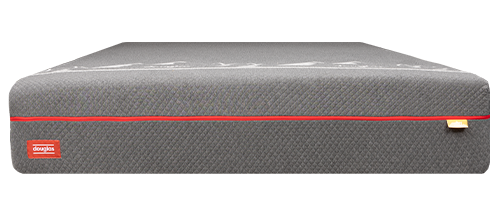
Many of the highest-ranked mattresses in this guide, including Logan & Cove Choice and Douglas Alpine Hybrid, use a reinforced zone under the hips, along with softer cushioning under the shoulders, to help prevent sagging better than a single-density core.
Good edge support is especially important if you have a higher body weight, as a reinforced perimeter remains strong under pressure. Edge support doesn’t just make it easier to get in and out of bed; a sturdy side also gives you more usable mattress space and helps prevent you feeling like you’ll roll off the edge.
Look for mattresses with reinforced edge coils or a high-density foam encasement for the best support, like Douglas Alpine Hybrid and its excellent score of 8.8/10 for this criteria.
Hybrid mattresses can offer an airflow advantage because air can circulate through the coil layer. This is especially important for heavier sleepers who sink more deeply and are more enveloped by the materials, which can lead them to overheat. Additional cooling materials such as phase-change material, breathable covers, or open-cell foam may also help reduce that heat buildup. All of these features are included in the Douglas Alpine Hybrid mattress.
It’s best to test a mattress at home across the seasons to ensure it’s the right fit. Brands like Logan & Cove and Douglas both offer 365-night sleep trials with free returns and full refunds. As well, always confirm that a mattress’s stated weight limit is above your body weight before purchase, as exceeding it can void warranty coverage entirely.
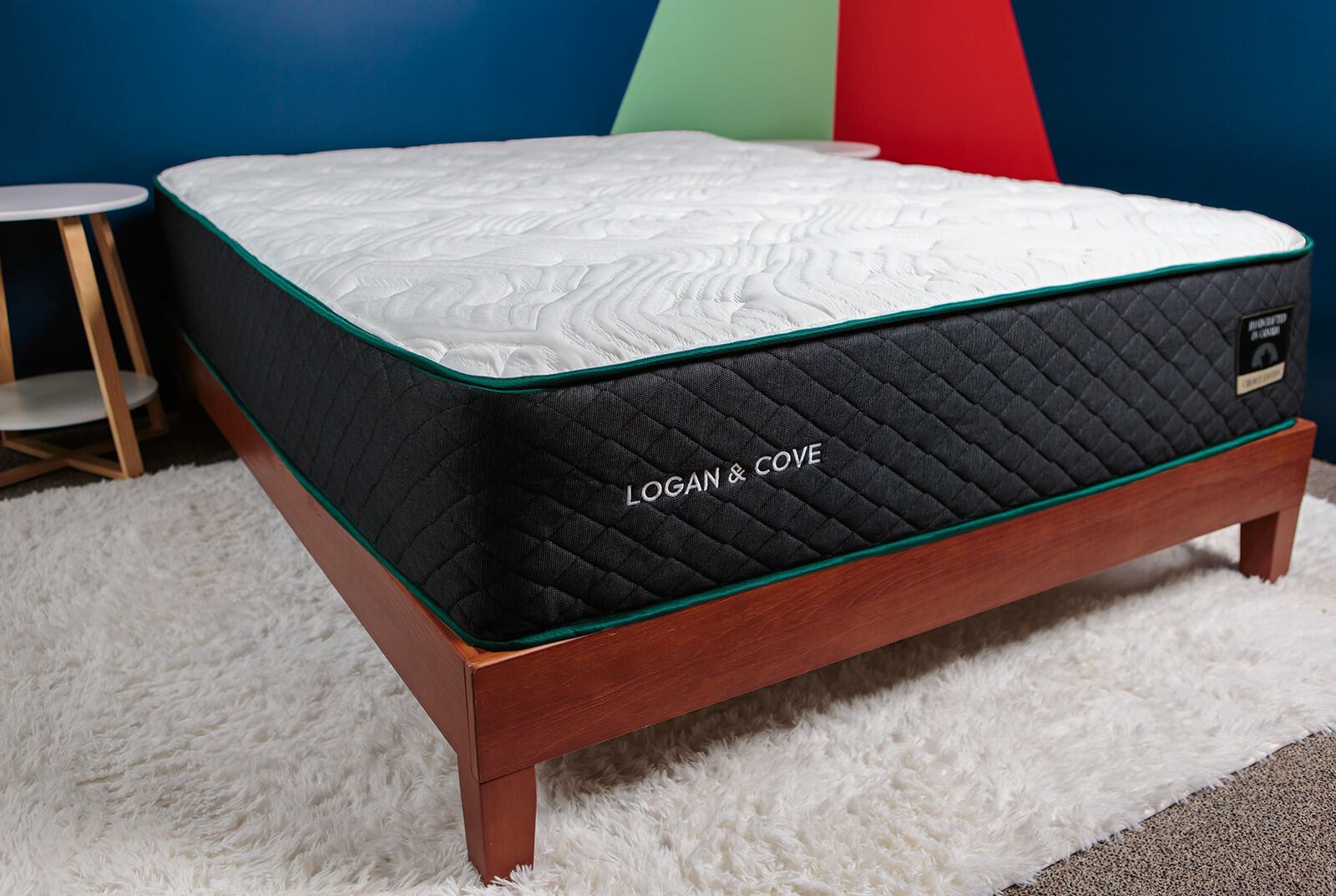
Side sleepers carry more concentrated weight through the shoulders and hips, making pressure relief and overall support two crucial features to consider. Dr. James explains that you want enough cushioning to allow the shoulders and hips to settle comfortably into the mattress, but not so much that the hips sink excessively and misalign the spine.
READ MORE: Best mattresses for side sleepers in Canada
For heavier side sleepers, this balance is especially important because more body weight can make compression and sinking more noticeable. Choice’s soft, quilted top, combined with its medium-firm feel and zoned support core, provides extra cushioning at the shoulders while offering dependable support elsewhere. This helps keep your spine properly aligned for a comfortable and restful sleep.
Read Logan & Cove Choice Review Shop Logan & Cove Choice
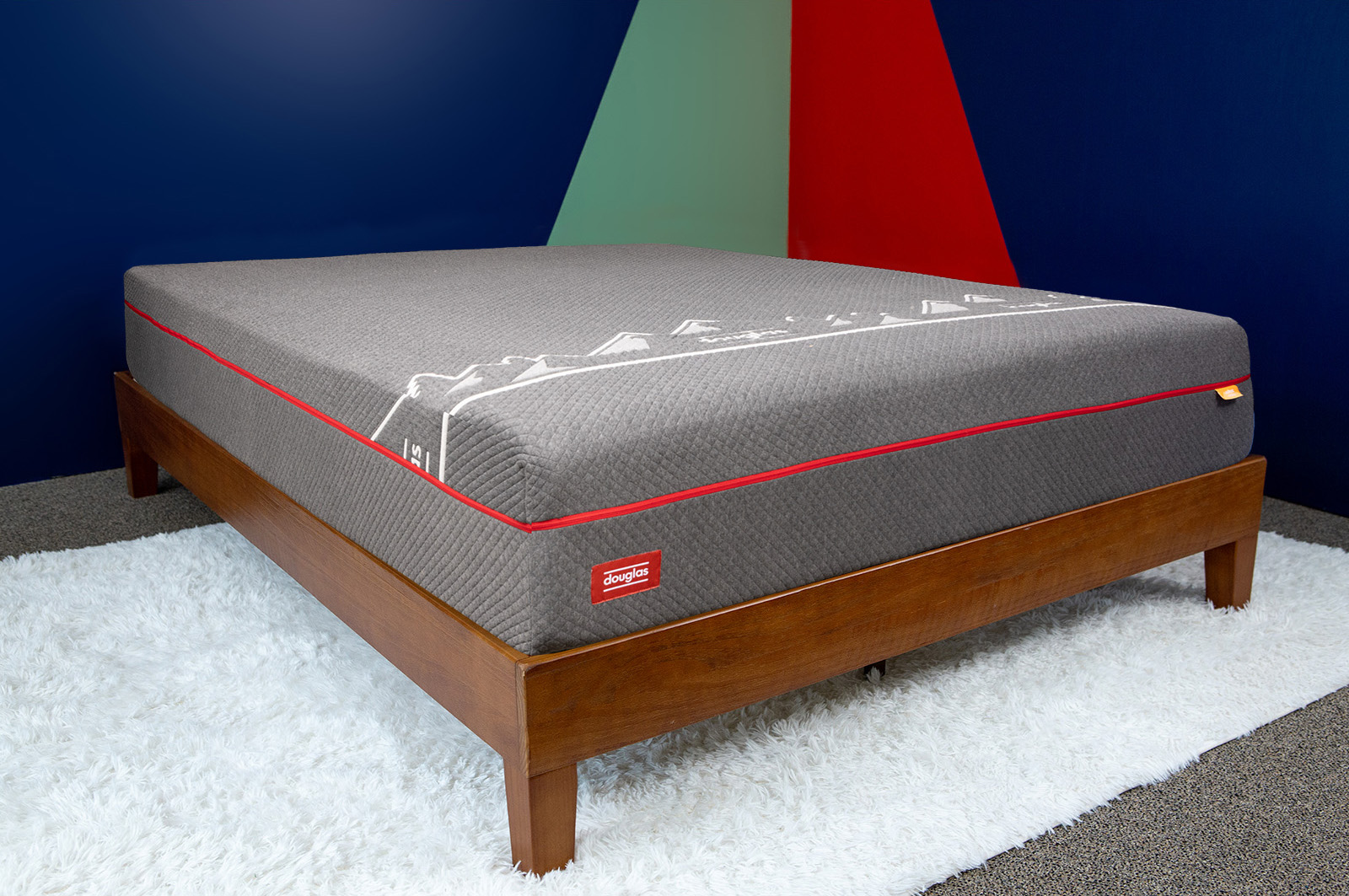
Alpine Hybrid pairs a coil-based support layer with advanced cooling materials to address airflow loss associated with deeper compression at heavier weights. A hybrid construction is the stronger choice here over an all-foam build, specifically because the coil layer offers that airflow advantage that you get with an all-foam build.
The Alpine Hybrid mattress features a moisture-wicking cover, phase-change material that absorbs and redistributes body heat, gel-infused open-cell foams, and individually wrapped coils for added airflow, which earned the mattress a cooling features score of 7.6/10.
Read Douglas Alpine Hybrid Review Shop Douglas Alpine Hybrid

A mattress that does not provide the right support can increase spinal deviation or rotation during sleep (the possibly harmful “hammock” effect), warns Dr. James, and may contribute to muscle and joint discomfort over time.
For heavier sleepers, choosing a mattress with adequate zoned support can help limit excessive sinking at the hips while still providing sufficient cushioning for comfort at the shoulders. Logan & Cove Choice uses reinforced zoning across the torso and hips to provide greater resistance in these areas, which typically experience higher loading. For some heavier sleepers, this may help limit excessive sinking while maintaining cushioning through pressure-sensitive areas.
Read Logan & Cove Choice Review Shop Logan & Cove Choice
The following mattresses are decent choices and may still suit some heavier sleepers, but they ranked below our top picks based on factors such as edge support, cooling features, price, and overall performance.

The manufacturing origin listed here is based on the law label of the specific mattress we tested. Learn more >
Organic Mattress Made In the US
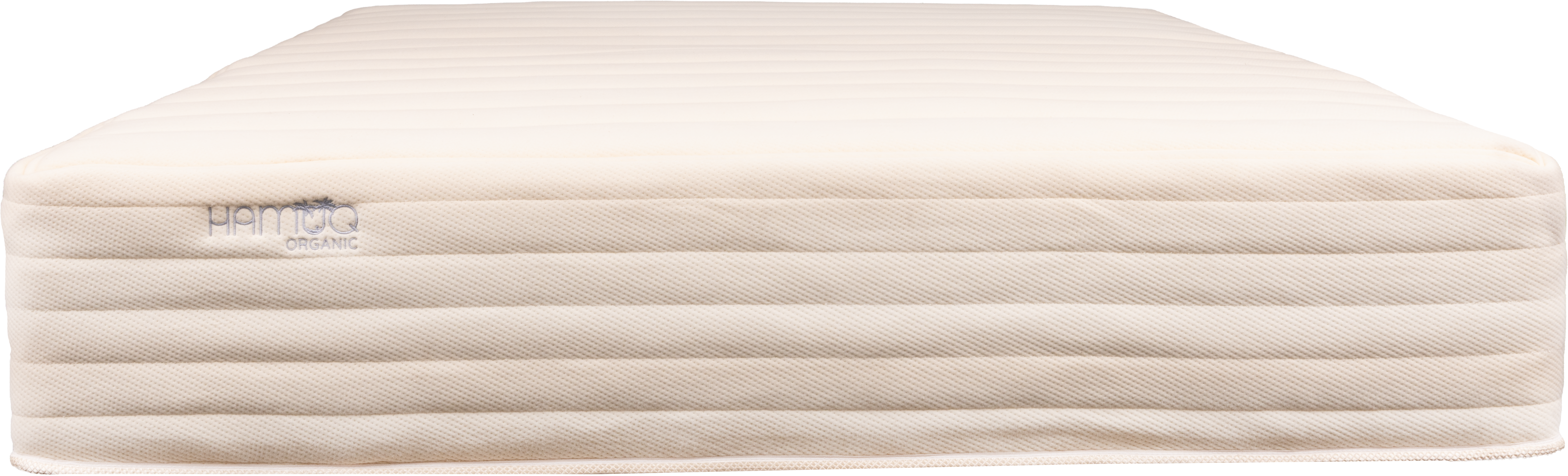
The manufacturing origin listed here is based on the law label of the specific mattress we tested. Learn more >
Organic Hybrid Mattress Made in Canada
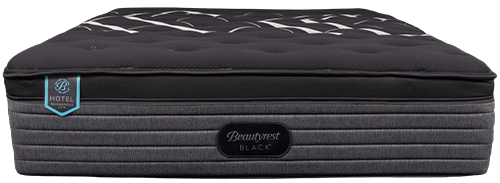
The manufacturing origin listed here is based on the law label of the specific mattress we tested. Learn more >
Antimicrobial Euro-Top Hybrid with Some Cooling
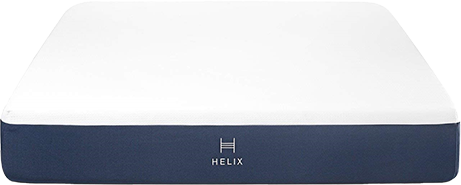
The manufacturing origin listed here is based on the law label of the specific mattress we tested. Learn more >
Hybrid Mattress with Low Edge Support
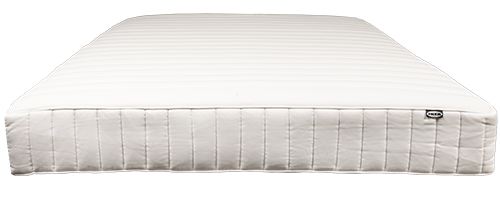

The manufacturing origin listed here is based on the law label of the specific mattress we tested. Learn more >
Affordable Hybrid Mattress Made in Mexico
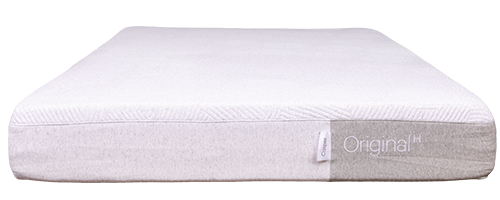

The manufacturing origin listed here is based on the law label of the specific mattress we tested. Learn more >
Medium-Firm Hybrid Mattress With Limited Cooling
This allows us to accurately rate and compare the performance of the mattresses reviewed on this website. Engineer independence and operating standards help ensure their results remain unbiased, valid, and reliable.
Each mattress was evaluated using the same strict mattress testing methodology to protect the overall integrity of the results. Foam and hybrid mattress test results are scored on separate scales to ensure fair contextual performance representation as much as possible. The full report has been given the official stamp of approval from an APEGA-certified engineer operating under a strict ethical code of conduct.
Mattress testing conducted outside of this professional standard poses a greater risk of validity errors or reviewer bias.
We co-authored this article with Dr. James Keung, a dedicated healthcare provider with expertise in chiropractic care and massage therapy. The following tips, including those from Dr. Keung, are general recommendations and aren’t meant to replace your doctor’s professional diagnosis.
For heavier sleepers, the priority should be a mattress with sufficient structural support to accommodate greater weight without excessive sinking, Dr. James confirms. A hybrid mattress with a reinforced, zoned coil support core, like Logan & Cove Choice, is generally recommended.
Coils resist compression better than foam alone at higher weights, and extra reinforcement under the torso and hips targets support where heavier bodies compress a mattress the most. Hybrid mattresses are also generally cooler than all-foam ones because the coils allow more airflow. For heavier sleepers, the goal is to find the right balance between durability, pressure relief, and maintaining a neutral spinal position.
Medium-firm is the evidence-backed recommended mattress firmness for most heavy sleepers. Firmer support limits the excess sinkage that softer mattresses allow at higher body weights, which helps keep the spine in a more neutral position overnight.
Hybrid mattresses stay cooler for heavy sleepers than foam mattresses, because their coil cores allow airflow, even when compressed by extra weight. When combined with layered cooling materials such as gel foam, phase-change material, and moisture-wicking fabrics, they prevent the overheating often caused by sinking into traditional foam mattresses. Douglas Alpine Hybrid is our pick here, built with exactly that combination.
Yes. Every mattress has a manufacturer-stated weight capacity, usually listed per sleeper and as a combined total for shared use. Exceeding it increases the risk of premature sagging and can void your warranty.
Capacities vary by mattress:
Hybrids with reinforced coils and denser foam tend to cost a bit more than basic all-foam mattresses, but that doesn’t mean you need to break the bank. Our top picks for heavy sleepers, the Logan & Cove Choice ($1,199 for a queen) and Douglas Alpine Hybrid ($1,149 for a queen), both under $1,200, which is in line with many standard-capacity hybrids on the market.
A solid platform base or a foundation with closely spaced slats (2–3 inches apart) provides more even support frame with wider slats. Wider gaps between slats can flex or sag under higher combined weight over time, which undercuts the support your mattress is built to provide. Even a well-reinforced mattress will underperform on a foundation that can’t support it evenly.
In most cases, yes. Manufacturers typically test and warranty a mattress up to its stated capacity only, so exceeding that limit can void sag or defect coverage even if the mattress fails prematurely. This is one more reason to choose a mattress with a capacity that leaves margin above your actual body weight, rather than one rated close to or below it.
A medium-firm hybrid with reinforced lumbar and hip zoning, such as the Logan & Cove Choice, can be a strong option for heavier sleepers with back or hip pain. Its combination of cushioning and targeted support may help limit excessive sinking while providing pressure relief at the shoulders and hips. Dr. James explains that reinforced zoning can provide greater resistance in areas that experience higher loading, helping support a more neutral spinal position.
However, Dr. James adds that the ideal mattress will vary from person to person, so firmness, body shape, sleeping position, and personal comfort should all be considered.
References
You May Prefer:

9.7/10

Logan & Cove mattresses feature a lavish hotel-quality design and a generous 365-night sleep trial. You’ll also receive a FREE bedding bundle to complement your new luxury mattress.
Product review details reflect the product as it existed at the time of review.
Product price, design, materials, and availability may change over time. For transparency, the purchase date is available on our disclaimer page purchase timeline or mentioned in the article.
The “Updated” label may reflect editorial or SEO updates only and does not indicate a change to the product data.
Unless otherwise noted, the “made in” or country-of-origin details apply only to the specific product we received and do not reflect the brand’s full manufacturing footprint.
More details >
Best Luxury Hybrid
Our Pick for Best Luxury Hybrid Mattress
FALL SAVINGS EVENT ON NOW! Enjoy a FREE Premium Sleep Bundle + Duvet Set with any mattress purchase, Up to 20% OFF Bed Frames, and 15% OFF All Accessories. See website for details >
Sponsored Ad
Table of Contents


 Save
Save
Save
Save