

- 365-night sleep trial and 15-year warranty
- Advanced cooling features and five-zoned support system
- Advanced memory foam for soothing pressure relief






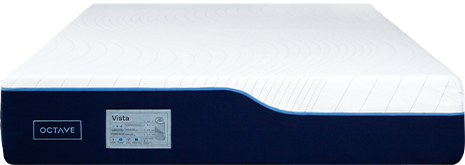
Based on its medium-firm feel (6.8/10), 5-zoned support, pressure-relieving memory foam, and other high performances in areas like motion isolation and edge support, Octave Vista earned a high overall rating of 9.8/10.
To identify the best mattresses for stomach sleepers in Canada, our team reviewed more than 120 mattresses using independent third-party engineering testing (commissioned by us) alongside 40+ evaluation criteria. We also worked with medical professionals to help validate the factors most important for stomach sleepers.






Our Top Pick For a Good Night’s Sleep

The manufacturing origin listed here is based on the law label of the specific mattress we tested. Learn more >
Our Pick for Best Luxury Hybrid Mattress

The manufacturing origin listed here is based on the law label of the specific mattress we tested. Learn more >
Best New Canadian Hybrid Mattress

The manufacturing origin listed here is based on the law label of the specific mattress we tested. Learn more >
Best Canadian Value Foam Mattress
The manufacturing origin listed here is based on the law label of the specific mattress we tested. Learn more >
Hybrid Mattress Made in Canada
The manufacturing origin listed here is based on the law label of the specific mattress we tested. Learn more >
An Average Bed-In-a-Box Hybrid
There are a few features that stomach sleepers should focus on when shopping for a new mattress. Given the nature of the position, the best mattress for front sleepers should prioritize supporting the heaviest parts of the body—the hips and lumbar area—through zoned support and a medium-firm feel. These features help keep the spine in a neutral alignment, which is key for a restful and pain-free sleep:
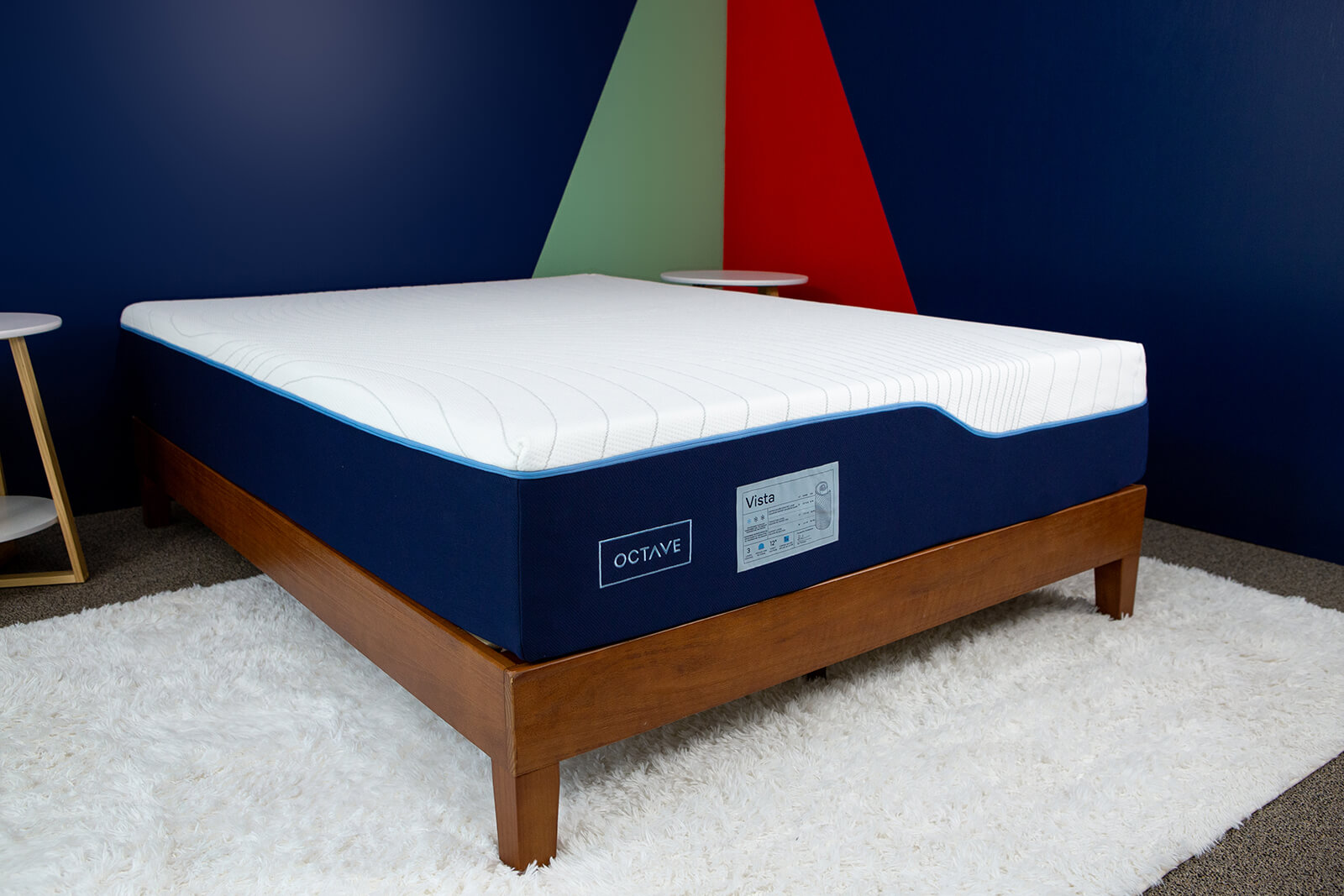
The Octave Vista is our pick for the best overall mattress for stomach sleepers because of its balance of zoned support, cushioning memory foam, and medium-firm feel. This construction works well for stomach sleepers as it prevents the hips from sinking too far into the mattress while allowing the arms and knees to be comfortably cushioned.
Vista earned an overall rating of 9.8/10 and offers very good motion isolation and edge support scores (7.3/10 and 7.5/10, respectively), a machine-washable cover, and advanced cooling technologies like copper-infused foam and phase-change material. It comes with a 365-night sleep trial, 15-year warranty, and a free bedding bundle including a bamboo sheet set and shams, bamboo duvet cover, down alternative duvet, adjustable pillow(s), pillow protector(s), and a mattress protector, all for $1,099 for a queen size.
Read Octave Vista Review Shop Octave Vista
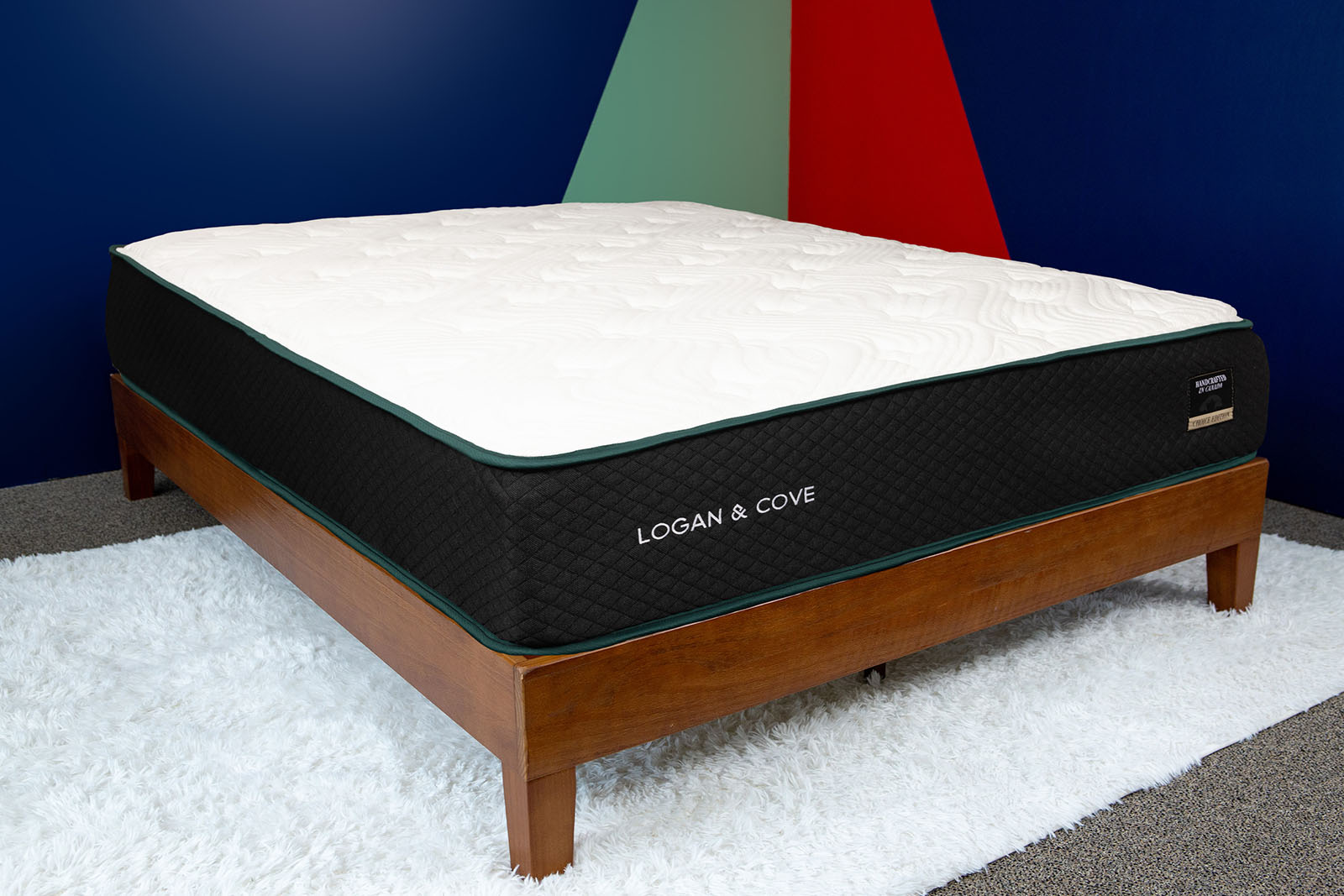
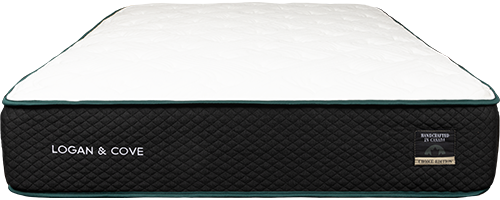
For combination sleepers who primarily sleep on their stomach but also tend to roll onto their sides or back throughout the night, the Logan & Cove Choice is our top pick. Because of its medium-firm feel (6.9/10) and tufted cover, Choice offers the support needed for stomach sleeping while still cushioning pressure points when switching to your side. Its zoned support further allows for tailored comfort in all sleeping positions.
Logan & Cove Choice costs $1,199 for a queen size and has an overall rating of 9.7/10. Each mattress comes with a 365-night sleep trial and a 15-year warranty. The mattress can be returned free of charge for a full refund if it isn’t the right fit for your needs.
Read Logan & Cove Choice Review Shop Logan & Cove Choice
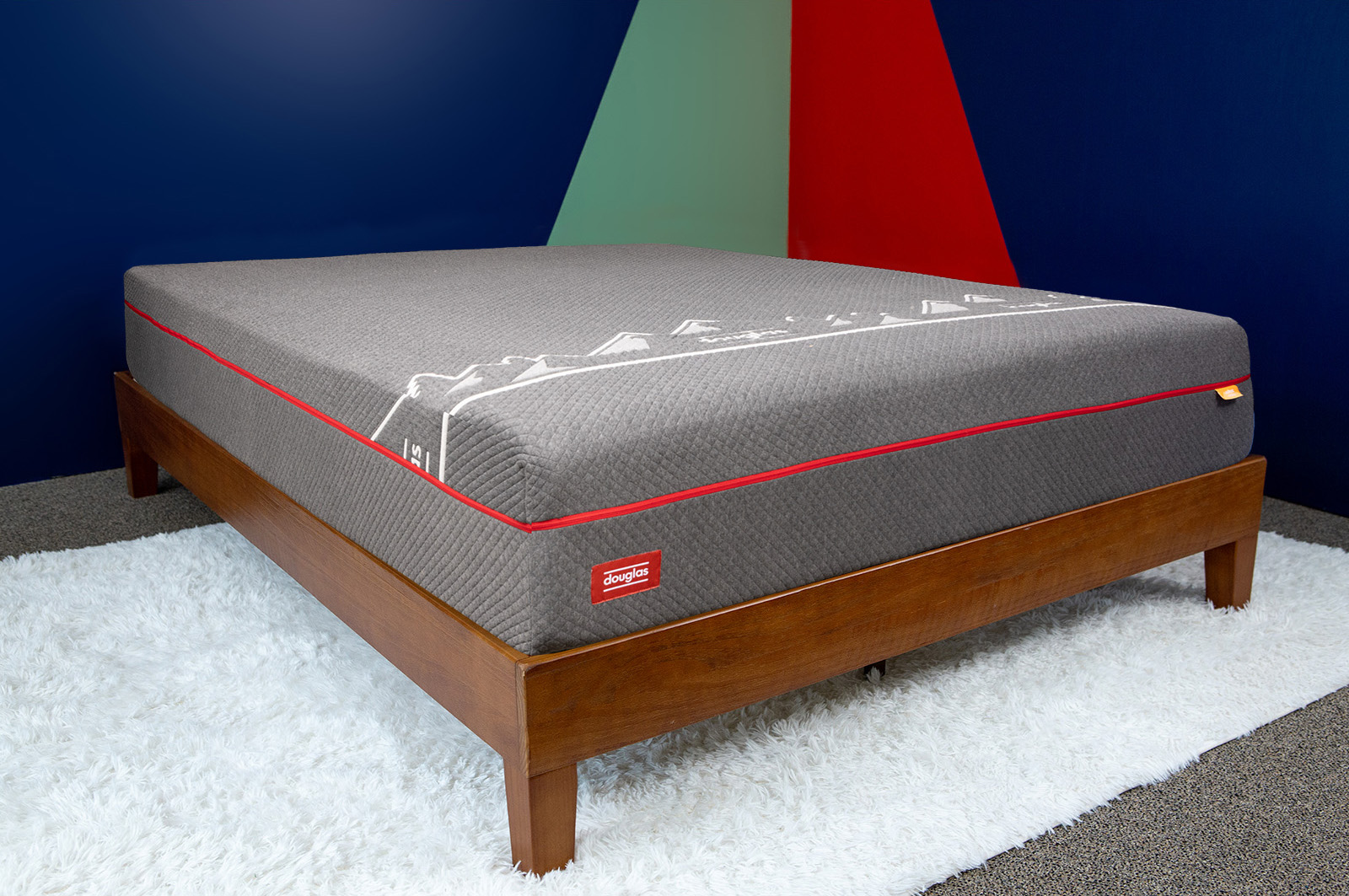
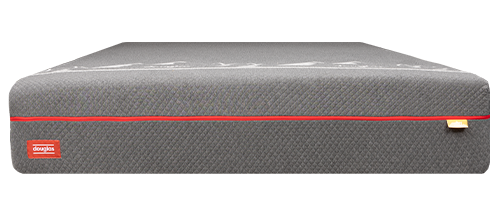
For heavier-weight individuals who need a bit more support, the Douglas Alpine Hybrid is our top pick. It earned an overall rating of 9.6/10 thanks to its zoned support, responsive coils, and cooling features. It has a medium-firm feel (6.8/10) with minimal sink so that heavier stomach sleepers still feel supported.
Douglas Alpine Hybrid is a bed-in-a-box mattress from a company rated “Excellent” on Trustpilot. At $1,149 for a queen size, Douglas offers a 365-night sleep trial and comes with a free bedding bundle with your purchase that includes a cotton sheet set, a duvet cover, a down alternative duvet, pillow(s), pillow protector(s), and a mattress protector.
Read Douglas Alpine Hybrid Review Shop Douglas Alpine Hybrid
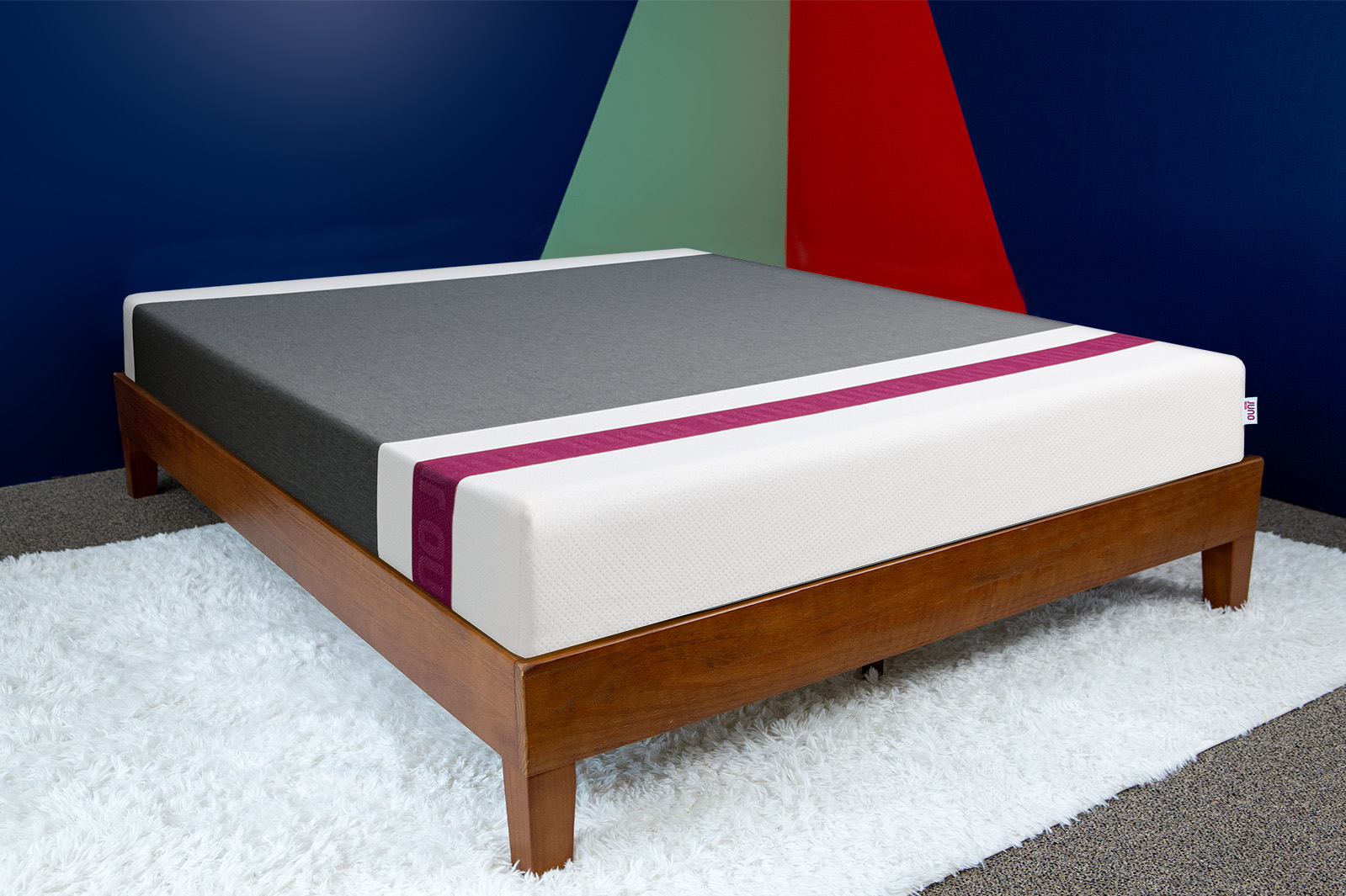
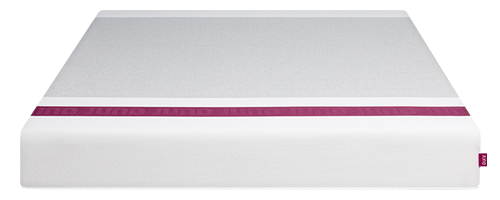
If you’re a stomach sleeper looking for an affordable mattress that doesn’t stretch the budget, Juno Hybrid is our top pick, with an overall score of 9.3/10. Its medium-firm feel (6.9/10), alongside its zoned support coils, supports the hips and promotes proper spinal alignment.
Juno Hybrid is accessibly priced at $649 for a queen size. Every mattress purchase comes with a free bedding bundle, a 120-night sleep trial, and a 15-year warranty.
Read Juno Hybrid Review Shop Juno Hybrid
Sleeping on your stomach can make it more challenging to maintain comfortable spinal alignment, explains Dr. James. Therefore, your mattress firmness can play an important role in both comfort and support. A mattress that is too soft may allow your midsection and hips to sink excessively, potentially affecting spinal alignment and increasing stress on the lower back. An overly firm mattress can create uncomfortable pressure rather than providing the cushioning some sleepers need.
Stomach sleepers should look for a mattress that provides enough support to limit excessive sinkage without sacrificing comfort. A medium-firm mattress with zoned support, a.k.a. additional support beneath the midsection, may be beneficial for some stomach sleepers by keeping the hips and abdomen from sinking too deeply into the mattress.
Pillow choice is another consideration. Stomach sleeping can contribute to neck discomfort because the position requires the head to remain turned to one side for extended periods.
Pillow height also matters: a pillow that is too tall can push the head and neck upward, potentially increasing strain and making it harder to maintain comfortable cervical alignment. For this reason, Dr. James suggests that a relatively thin pillow, or no pillow at all, may be more comfortable for some stomach sleepers. However, no single pillow height will work for everyone, so comfort, body shape, mattress firmness, and individual sleep posture should also be considered.
A soft, compressible pillow can be a practical option for stomach sleepers, while an adjustable-fill pillow allows sleepers to adjust the loft to find a comfortable height. The specific material matters less than choosing a pillow that provides adequate cushioning without elevating the head too far, Dr. James confirms.
Temporary arm numbness or tingling, also known as nocturnal paresthesia, can occur when a nerve is compressed, stretched, or placed under prolonged pressure during sleep, Dr. James explains. Research has found that nighttime paresthesias are associated with sleep, arm, and wrist position, although other factors also contribute.
Certain positions commonly used by stomach sleepers, such as sleeping with an arm above the head or resting the head on the forearms, may increase pressure or tension on the nerves of the neck, shoulder, and arm. The elbow position can also matter. Keeping the elbow bent for prolonged periods during sleep can increase pressure and tension on the ulnar nerve, potentially causing numbness or tingling in the ring and little fingers.
If numbness is caused by temporary positional pressure, changing the position of the arm, wrist, elbow, or head will often relieve the symptoms. However, Dr. James advises that persistent, recurrent, or worsening numbness should not automatically be attributed to sleeping position and may warrant evaluation by a healthcare professional.
The manufacturing origin listed here is based on the law label of the specific mattress we tested. Learn more >
Hypoallergenic Memory Foam Mattress

The manufacturing origin listed here is based on the law label of the specific mattress we tested. Learn more >
Exchange-Only Budget Foam Mattress
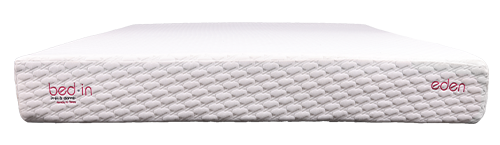
The manufacturing origin listed here is based on the law label of the specific mattress we tested. Learn more >
Quebec-made Foam Mattress With Exchange-Only Policy
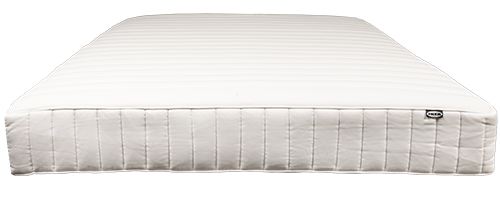

The manufacturing origin listed here is based on the law label of the specific mattress we tested. Learn more >
Affordable Hybrid Mattress Made in Mexico
This allows us to accurately rate and compare the performance of the mattresses reviewed on this website. Engineer independence and operating standards help ensure their results remain unbiased, valid, and reliable.
Each mattress was evaluated using the same strict mattress testing methodology to protect the overall integrity of the results. Foam and hybrid mattress test results are scored on separate scales to ensure fair contextual performance representation as much as possible. The full report has been given the official stamp of approval from an APEGA-certified engineer operating under a strict ethical code of conduct.
Mattress testing conducted outside of this professional standard poses a greater risk of validity errors or reviewer bias.
We co-authored this article with Dr. James Keung, a dedicated healthcare provider with expertise in chiropractic care and massage therapy. The following tips, including those from Dr. Keung, are general recommendations and aren’t meant to replace your doctor’s professional diagnosis.
Based on our testing and review process, Octave Vista earned the highest overall score among mattresses for stomach sleepers. Our criteria focused on models falling on the firmer side of medium-firm. We prioritized options featuring zoned support, pressure-relieving foam layers, outstanding performance in engineering tests, competitive pricing, and comprehensive customer policies.
The best mattress firmness for stomach sleepers depends on individual factors such as body weight, body shape, and personal comfort, but a mattress toward the firmer end of the medium-firm range (around 6–7/10) can be a good starting point for many sleepers, according to Dr. James. The goal is to find a surface that provides enough support to prevent the hips and midsection from sinking excessively while still providing enough cushioning for comfort.
Contrary to some sources, a very firm mattress isn’t always better for stomach sleepers. Some studies even show that when sleeping on firm vs medium-firm mattresses, more sleepers with lower back pain experienced reduced back pain and slept more comfortably on the medium-firm options. Indeed, a mattress that is too firm will create pressure points and discomfort, making it harder to sleep. This is especially true for combination stomach sleepers who may occasionally roll onto their side or back.
READ MORE: Our top picks for medium-firm mattresses
The best type of mattress for stomach sleepers is a medium-firm option with zoned support. Hybrid mattresses with individually pocketed zoned coils (like Douglas Hybrid or Logan & Cove) or foam mattresses with channelled foam and natural or imitation latex (like Octave) will offer stomach sleepers the support they need, balanced with enough cushioning for comfortable sleep.
The best type of pillow for stomach sleepers is one that helps maintain a neutral alignment of the neck and spine. This is often a low-to-medium-loft pillow that is soft enough to compress, preventing the neck from being elevated too far. Down alternative pillows can be a comfortable option for stomach sleepers because they are generally soft and compressible.
Adjustable memory foam pillows can also be useful because sleepers can remove filling or adjust the height to find a comfortable loft. All in all, the specific material is less important than choosing a pillow that doesn’t excessively elevate the head and neck, according to Dr. James.
Body weight influences how firm a mattress feels to individual sleepers, making mattress firmness subjective. Lighter individuals apply less pressure and may experience a medium-firm mattress as slightly firmer, whereas heavier individuals sink deeper, making the same mattress feel softer. For this reason, heavier stomach sleepers generally benefit from options on the firmer end of the medium-firm range (6.5–6.9/10) to maintain adequate support and proper spinal alignment.
If you’re searching for mattresses on the firmer end of medium-firm, check out options like Octave Vista, Douglas Alpine Hybrid, or Logan & Cove Choice.
Sleeping comfortably on your stomach is largely a matter of individual preference, but a few adjustments may help. As Dr. James states:
Sleeping on your stomach isn’t necessarily bad for you, particularly if you find the position comfortable and don’t experience pain or stiffness when you wake up, states Dr. James. However, stomach sleeping can place additional stress on the neck and lower back, and some people may experience discomfort depending on their body shape, sleep posture, or mattress and pillow setup. If stomach sleeping aggravates existing neck or back pain, switching positions may be worth considering.
For adults who prefer to sleep on their stomachs, current evidence favours medium-firm mattresses (6-7/10) for balancing comfort, pressure distribution, and spinal alignment, although the ideal firmness depends on factors such as body weight, body shape, and personal comfort. A mattress with zoned support, like Octave Vista or Douglas Alpine Hybrid, may also benefit some sleepers by providing additional resistance beneath the midsection and limiting excessive sinkage.
Pillow height is another important consideration if you choose to sleep on your stomach. A low-loft or highly compressible pillow can help prevent excessive elevation of the head and neck, while some stomach sleepers may be more comfortable using no pillow.
For infants, the recommendation is different: babies should always be placed on their backs for sleep, rather than on their stomachs, to reduce the risk of SIDS and other sleep-related deaths. The American Academy of Pediatrics recommends back sleeping for infants until 1 year of age. (Moon et al., 2022)
Stomach sleeping may reduce upper-airway obstruction for some, as it helps reduce issues certain issues associated with back sleeping, such as severe breathing disruptions in those with obstructive sleep apnea. For people who snore, changing from back sleeping to another position may also help reduce snoring. However, Dr. James advises that stomach sleeping isn’t a treatment for sleep apnea, and people with persistent snoring, witnessed pauses in breathing, or excessive daytime sleepiness should discuss their symptoms with a healthcare professional.
Since it’s important for stomach sleepers to rest with a neutral spine, it’s not recommended to elevate your feet or head when you’re lying on your stomach. However, stomach sleepers can enjoy adjustable beds when relaxing or reading in bed. Just be sure to set your settings back to a flat position when rolling onto your stomach to sleep.
READ MORE: Our top picks for adjustable beds in Canada
You May Prefer:

9.8/10

Octave mattresses are designed with premium foams and high-end materials for engineered comfort and superior cooling, so you can feel refreshed and prepared to tackle the day’s challenges. Get a 365-night sleep trial, 15-year warranty, and FREE bedding bundle with your mattress purchase.
References:
Best Sleep
Our Top Pick For a Good Night’s Sleep
FREE GIFT WITH PURCHASE! Get a FREE Premium Sleep Bundle + Duvet Set with every mattress purchase, 20% OFF Adjustable Beds, and 15% OFF All Accessories. See website for details >
Sponsored Ad
Table of Contents


 Save
Save
Save
Save