How to Sleep on Your Back (and Whether It’s the Right Position for You)
Updated: July 31, 2026

Sleeping on your back is often considered one of the best positions for spinal alignment and overall support. But is it right for you?
Your sleep position can affect everything from how rested you feel when you wake up to back pain, to how efficiently you’re breathing, and even your skin health. However, while back sleeping offers clear benefits, it doesn’t work for everyone.
This guide covers how to train yourself to sleep on your back, the benefits of this position, and when you may want to consider an alternative, such as side sleeping.
What You Need to Sleep Comfortably on Your Back
Comfortable back sleeping requires proper support, including choosing the right mattress, pillow, and body position to keep your spine aligned. If you’re new to sleeping on your back, you may need to train yourself at first until it feels comfortable.
We have outlined below some key things to focus on when sleeping on your back.
1. Choose The Appropriate Mattress Firmness
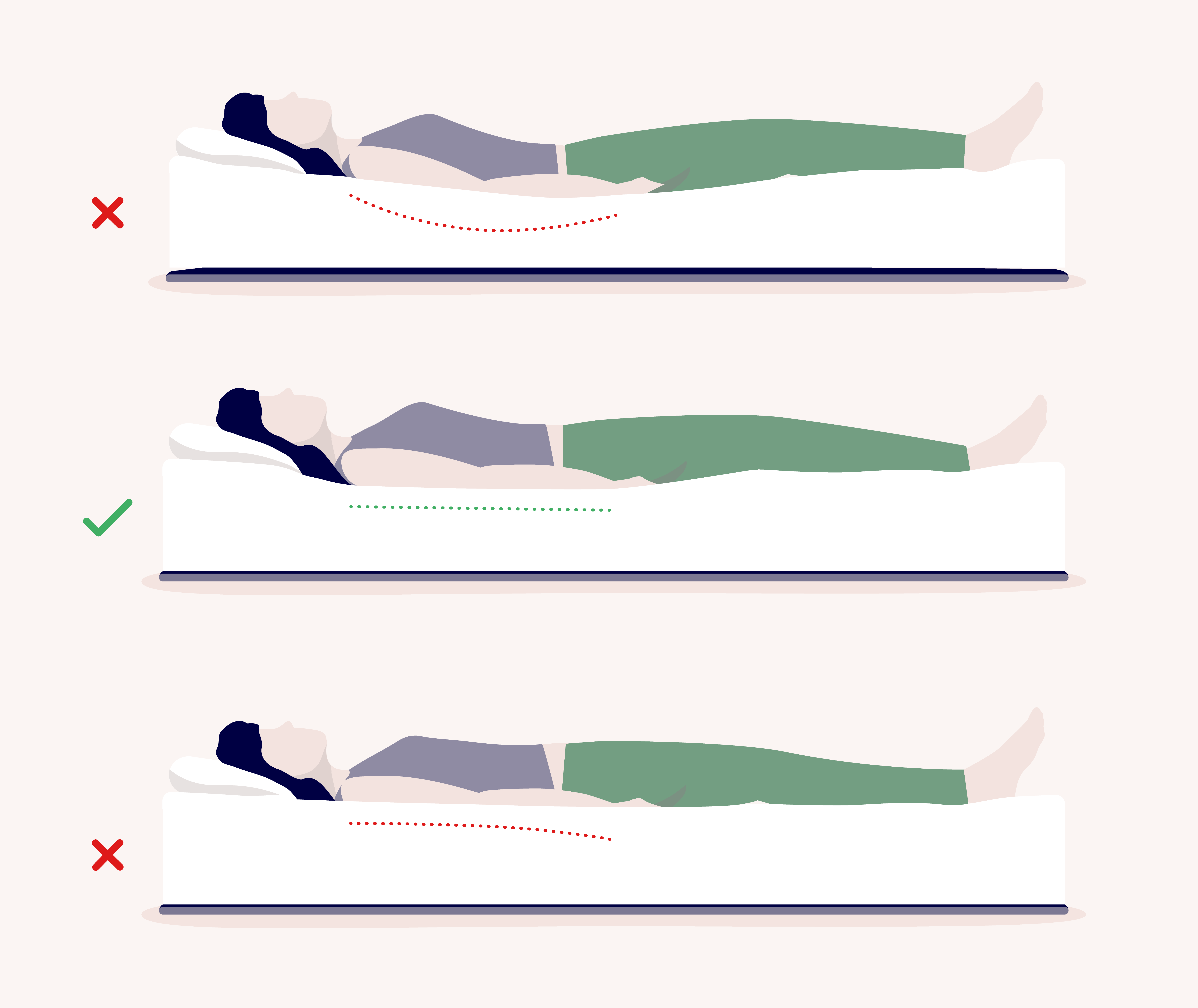
For back-sleepers, the goal is to find a mattress that balances comfort and support, which helps to keep your hips supported and your spine in a natural position. A surface that’s too firm can create pressure at the shoulders and hips, while one that’s too soft can cause your midsection to sink, leading to poor spinal alignment and discomfort.
Most back sleepers do best with a medium-firm mattress. As Dr. Keung explains, “a medium-firm mattress is often ideal for back sleeping, as it helps support the lower back without letting it sink too deeply and helps prevent the lumbar spine from becoming overly rounded… [to ensure] your spine stays aligned.”
Look for a mattress with:
- A cushioned comfort layer for pressure relief
- A supportive base (such as a high-density foam or a pocketed coil base) to help maintain proper alignment
READ MORE: Get our list of the best medium-firm mattresses
Dr. Keung’s Tip: |
|---|
A medium-firm mattress, which offers both gentle contouring and support to help maintain proper spinal alignment, is often ideal for back sleeping. |
2. Support Your Head And Neck With The Right Pillow
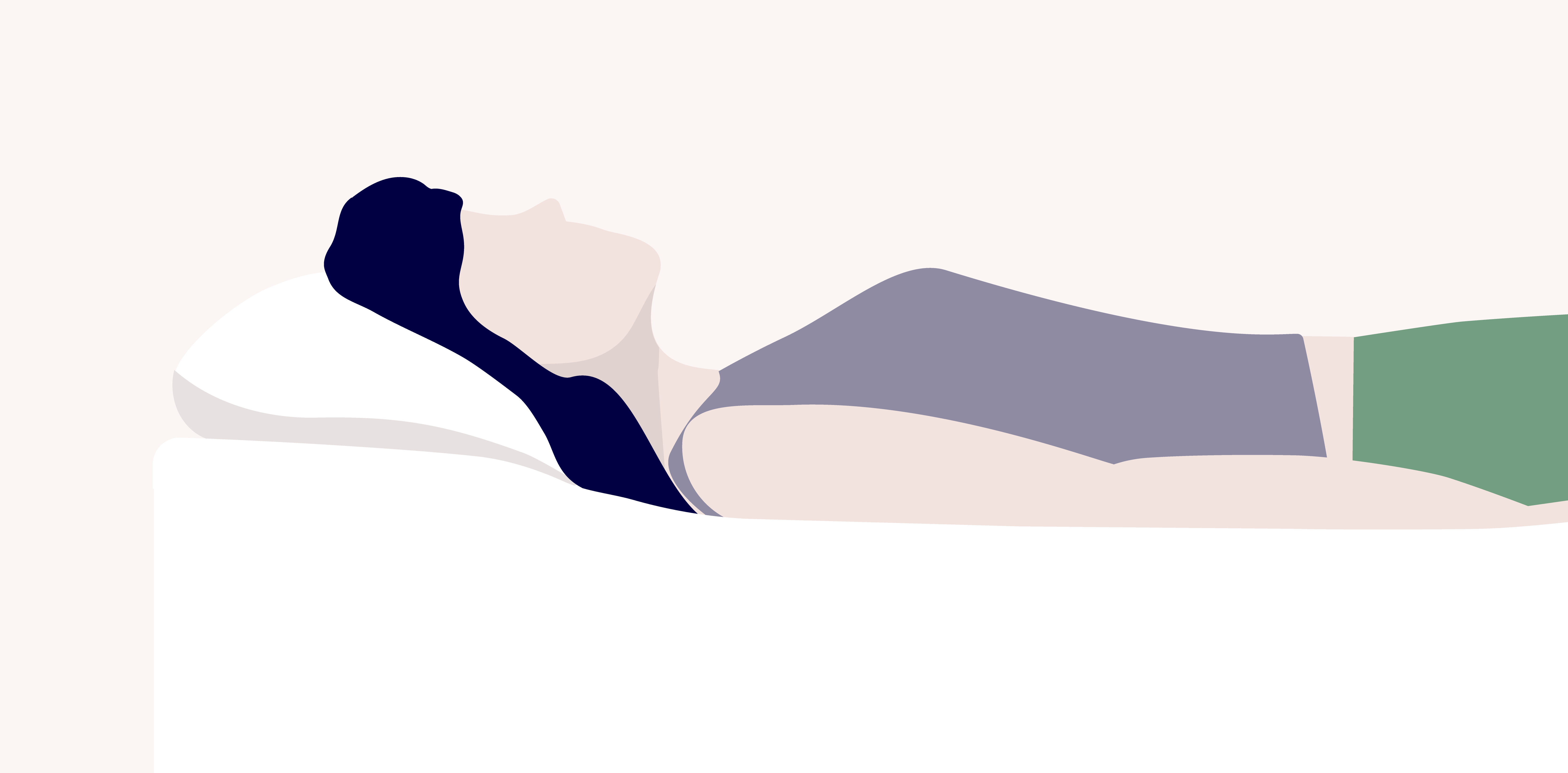
When you sleep on your back, your pillow should support the natural curve of your neck without pushing your head too far forward.
“A pillow that is too low or too high can place the cervical spine into too much flexion or extension, contributing to neck and upper back discomfort,” says Dr. Keung.
A supportive pillow helps keep your neck aligned with your spine, which can reduce tension in the shoulders and upper back. Ideally, your pillow should:
- Support the curve of your neck
- Keep your head level with your torso
- Prevent your chin from tilting too far toward your chest
Memory foam pillows are a good option because they’re designed to contour to your head and neck while maintaining consistent support throughout the night. This can help maintain alignment when sleeping on your back.
READ MORE: Which pillow is right for you?
3. Add Support Under Your Knees
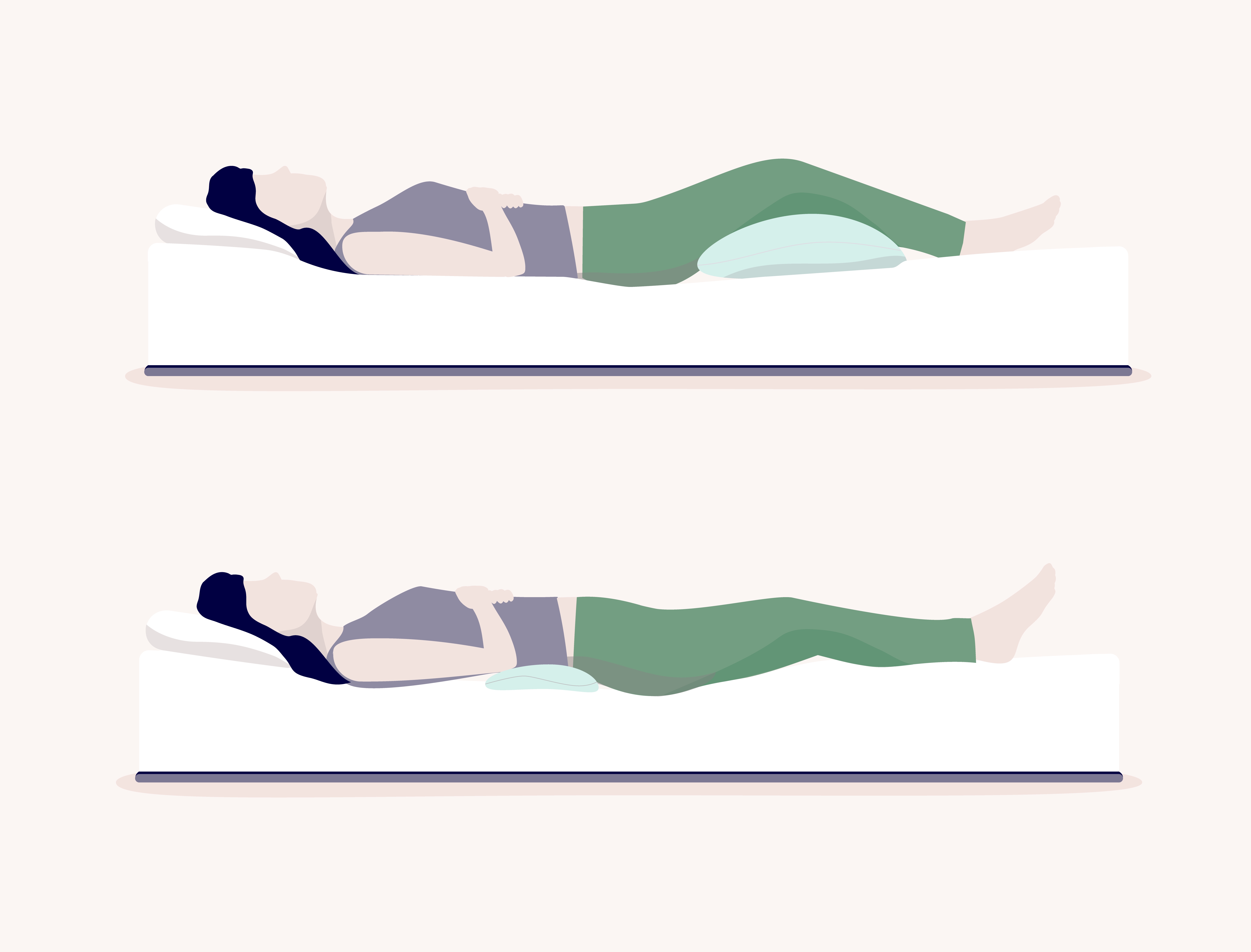
Maintaining a neutral spine during sleep can help reduce strain on the back and neck. A simple change like elevating your knees slightly can help reduce pressure on the lower back and encourage the spine to maintain a neutral position.
An adjustable bed frame can also make it easier to achieve this position by allowing you to elevate your head or legs slightly, which may improve comfort and alignment.
4. Add Support Under Your Lower Back
For some people, back pain stems from a gap between the mattress and the lumbar spine (i.e. the lower back).
Placing a small pillow or rolled-up towel under your lumbar spine can help fill this space, provide structural support, and reduce strain overnight.
Maintaining the natural curve of your lower back is key. As Dr. Keung explains, “maintaining a neutral lumbar curve during sleep is key to reducing unnecessary strain on the lower back… a small amount of support under the lumbar spine can help prevent it from flattening or becoming overly rounded.”
Dr. Keung’s Tip: |
|---|
Placing a low-loft pillow under your back and a higher-loft pillow under your knees can offload the lumbar spine by encouraging a more neutral pelvic position, reducing stress on the lower back while you sleep. |
Why Sleeping on Your Back May Be Beneficial
1. Promotes Spinal Alignment
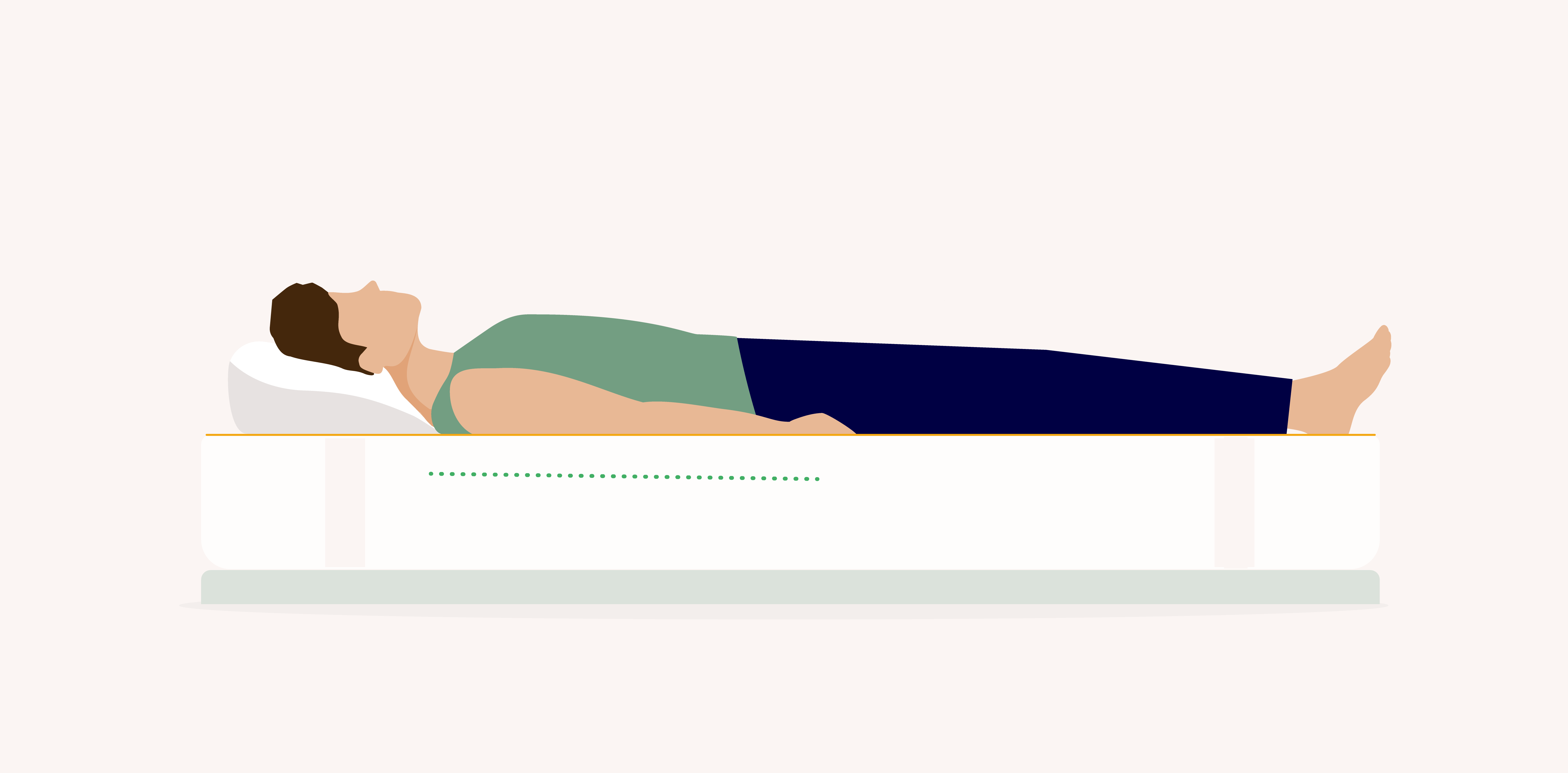
Proper spinal alignment is one of the biggest benefits of sleeping on your back. This position keeps your head, neck, and spine in a neutral position, helping distribute weight evenly and reduce pressure on your joints.
Even small misalignments over time can lead to stiffness and lower back discomfort. As Dr. Keung explains, “improper spinal alignment often involves the pelvis tipping too far forward or backward, the lower back pressing flat or over-arching, or the head being propped too high or too low, all of which can place uneven stress on the joints, discs, and surrounding muscles.”
2. Can Help Support Breathing and Airway Openness
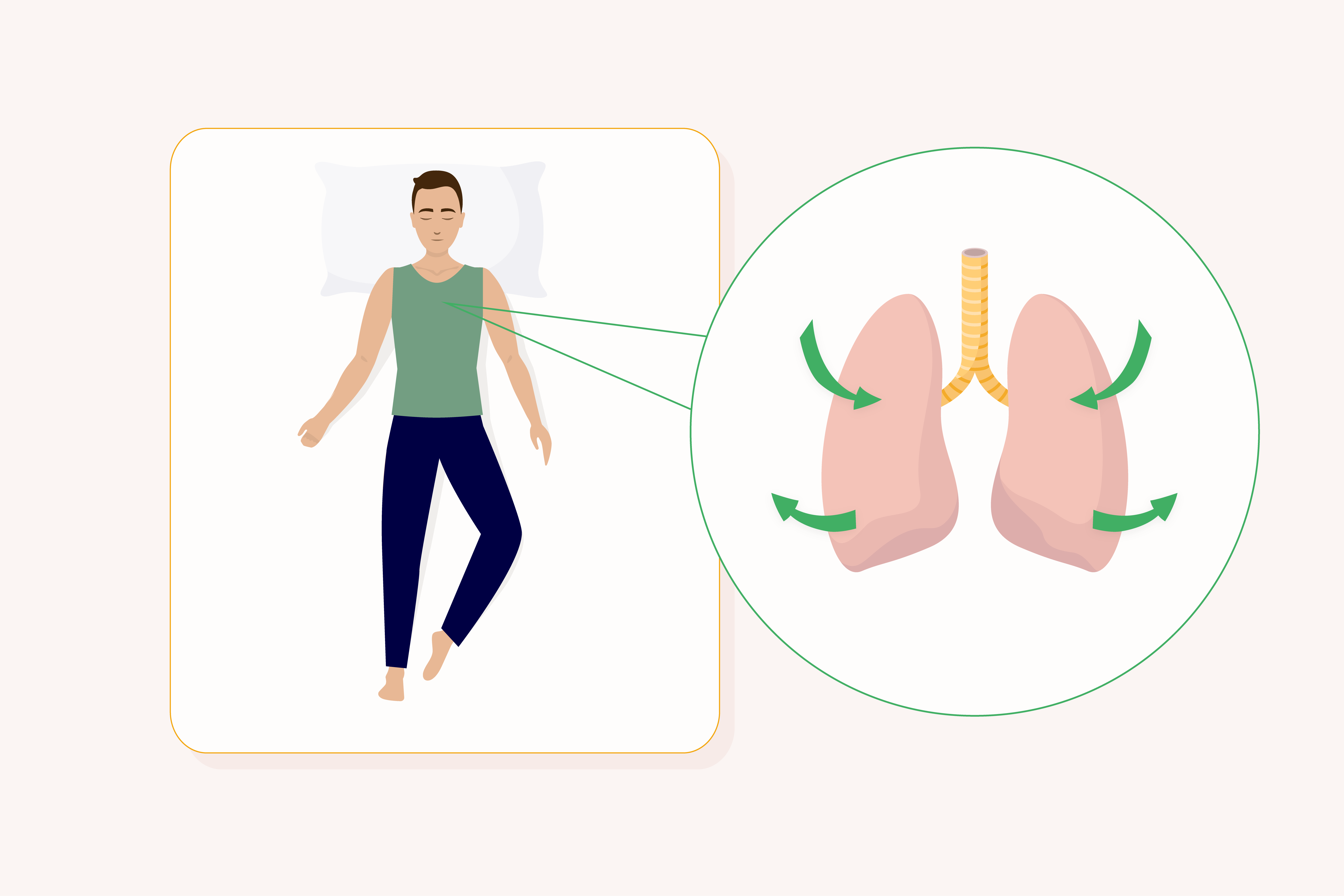
Sleeping on your back can help support more open and relaxed breathing. When you’re lying flat with proper support, your chest and rib cage aren’t compressed, allowing your lungs to expand more freely.
According to Healthline, comfortable breathing during sleep plays an important role in overall rest and recovery.
That said, alignment still matters. If your head is tilted too far forward, it can partially narrow your airway. As Dr. Keung explains, “if the head is propped too high or the chin is forced toward the chest, it may partially narrow the airway and reduce breathing efficiency.”
The goal is to keep your spine neutral and your airway open. In a well-supported back sleeping position, your rib cage can move freely, helping support deeper, more natural breathing throughout the night.
3. May Help With Better Fluid Drainage and Reduce Facial Puffiness
Some people notice less morning puffiness when sleeping on their back with their head slightly elevated.
Gravity plays a role in how fluids distribute throughout the body during sleep. When the head is slightly elevated in the back sleeping position, fluids are less likely to pool around the eyes and nasal passages overnight.
This positioning may help reduce morning puffiness around the eyes and nasal congestion in some individuals, though it is not a substitute for medical treatment of chronic conditions such as sinus inflammation or allergies.
4. May Help Protect Your Skin
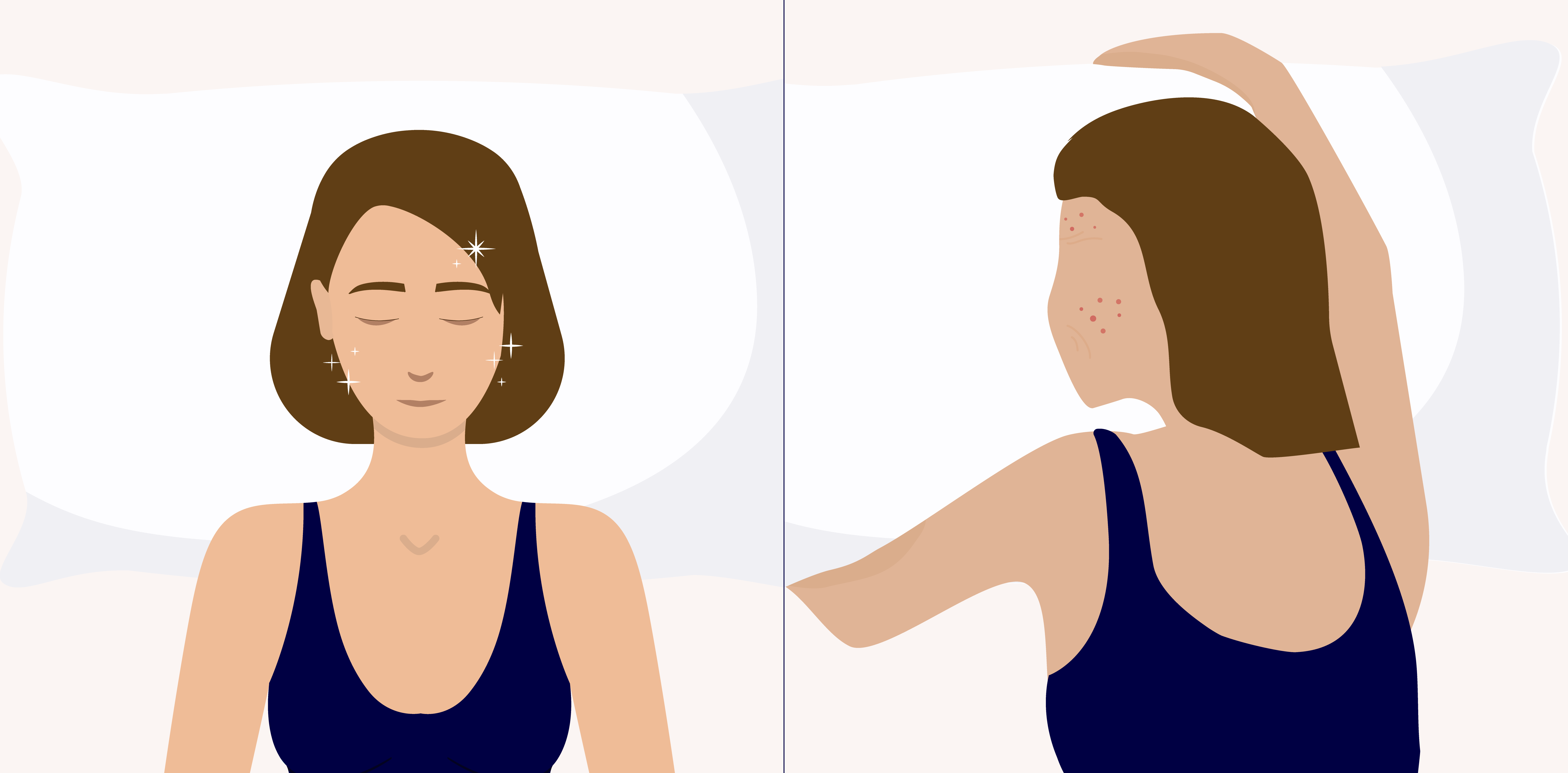
When you sleep on your side or stomach, your face presses against your pillow (which accumulates oils, hair, skincare product residue, bacteria, and dead skin cells from your hair and skin over time) for several hours each night.
Back sleeping keeps your face elevated and away from pillowcases, which may reduce friction against your skin. This can help limit temporary sleep lines and acne that sometimes occur when you sleep on your side.
Keeping your bedding clean is also important for skin health. For guidance on maintaining sleep hygiene, see our article on how often to wash your sheets.
When Sleeping on Your Back May Not Be Ideal
Although back sleeping works well for many people, it may not be the best position in certain situations.
1. If You Snore or Have Sleep Apnea
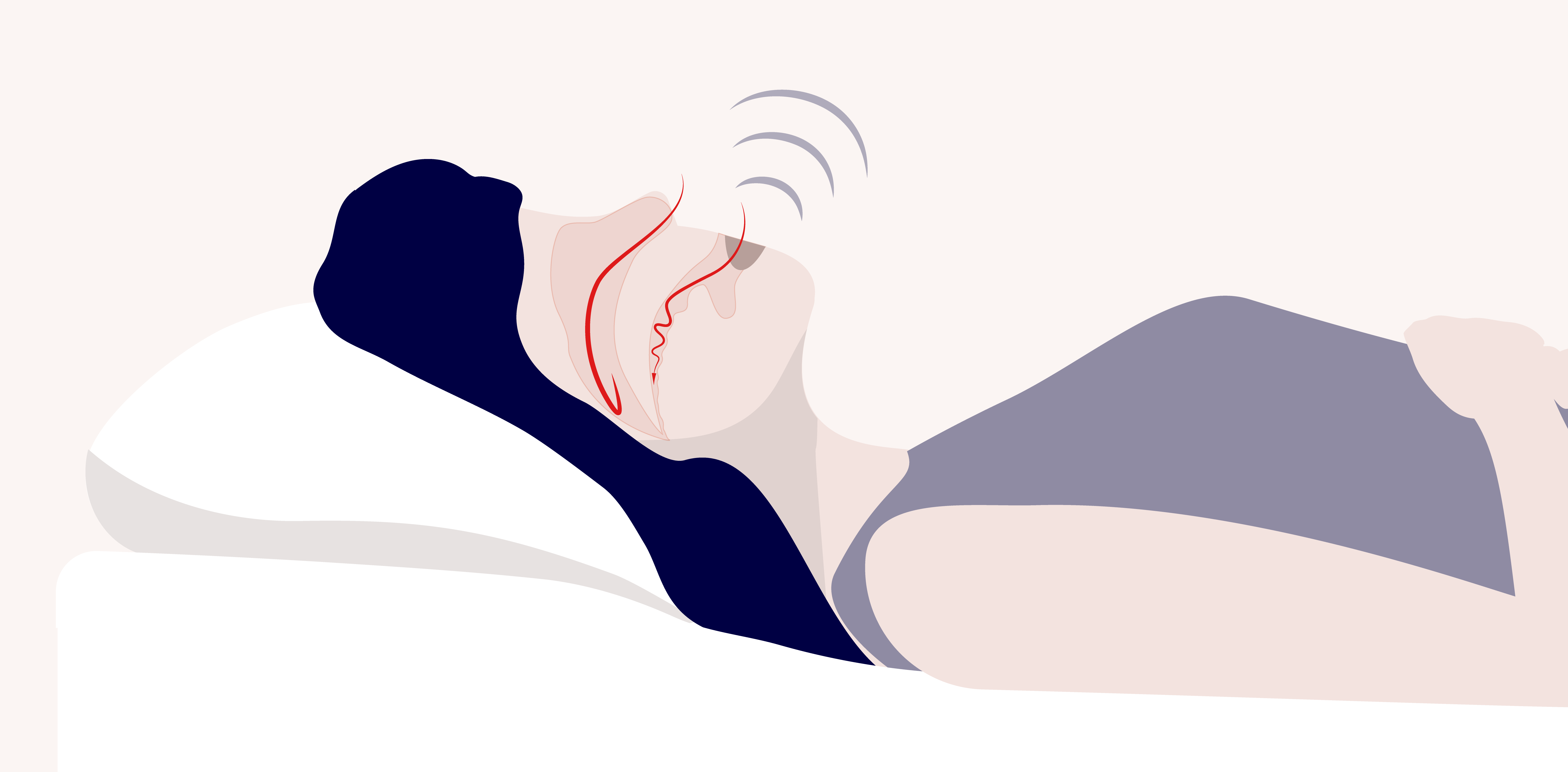
For people who snore or have sleep apnea, back sleeping can sometimes worsen symptoms.
Gravity may cause the tongue and soft tissues in the throat to move backward, which can partially block the airway. This can lead to louder snoring or more breathing interruptions during sleep.
Harvard Health notes that side sleeping may help reduce airway obstruction for some people with these conditions.
2. If You Experience Heartburn
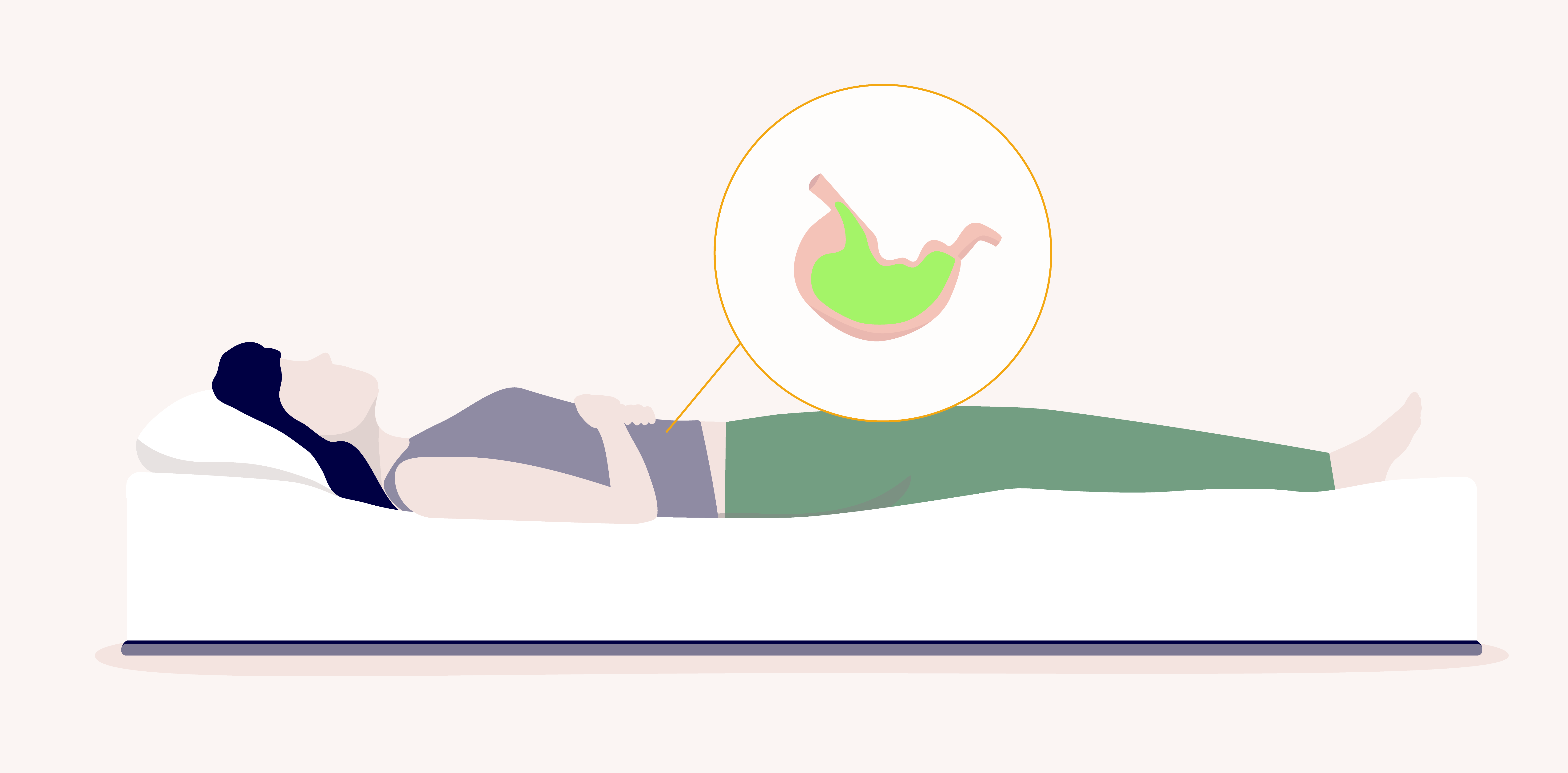
Back sleeping may also make heartburn symptoms worse for some people.
Lying flat on the back can make it easier for stomach acid to move upward into the esophagus, as gravity no longer helps keep contents in the stomach. This can worsen symptoms of gastroesophageal reflux disease (GERD) or intermittent heartburn, particularly after having evening meals too close to bedtime.
An adjustable bed base may be a practical solution for back sleepers with acid reflux. By elevating the head of the bed by several inches, the body is positioned on a gentle incline that uses gravity to reduce reflux.
3. If Your Mattress or Pillow Doesn’t Provide Enough Support
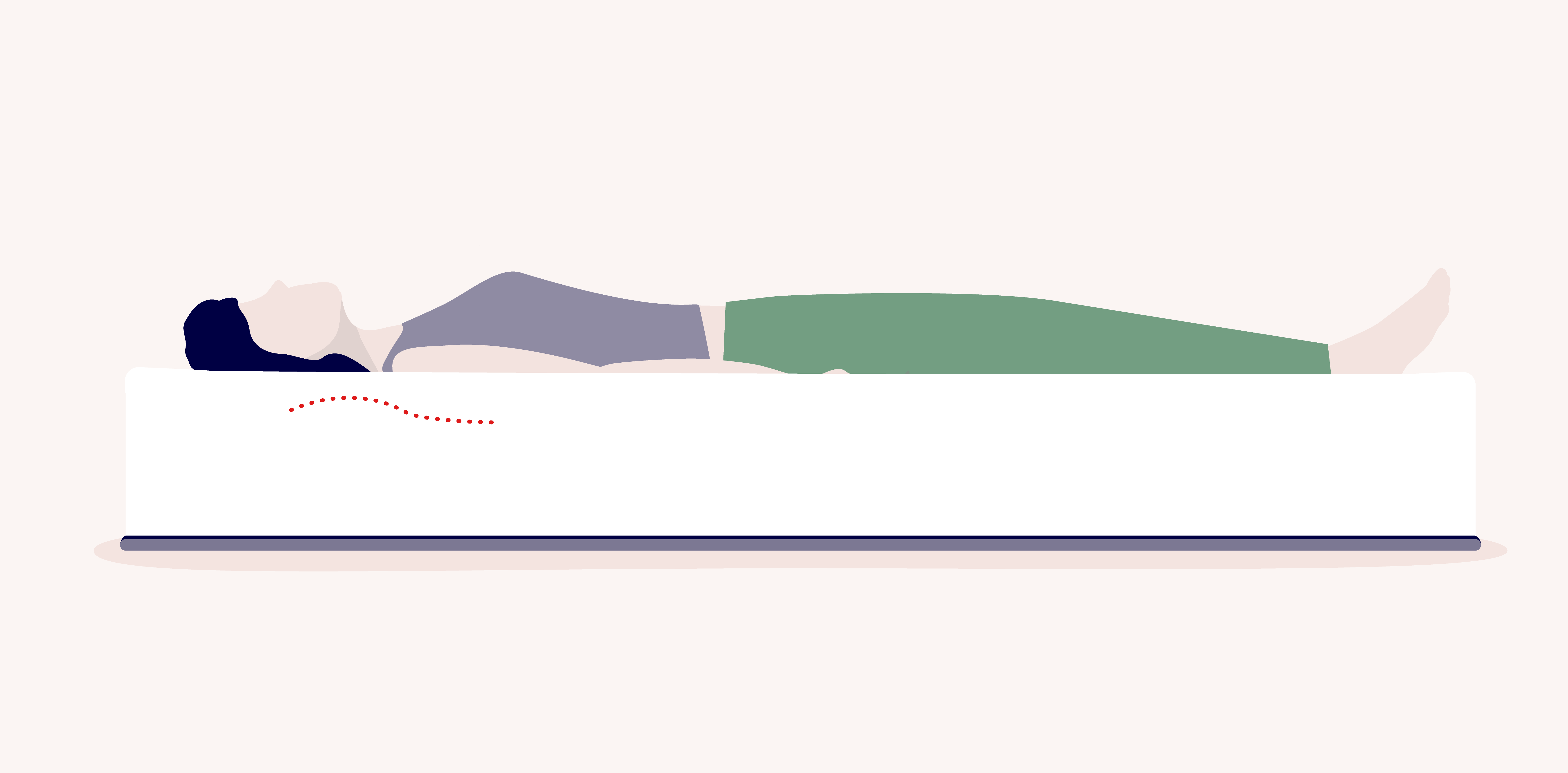
While sleeping on your back should provide better alignment, it only works if your mattress and pillow offer the right level of support. Poor support can quickly undo these benefits.
As Dr. Keung explains, “support is often the deciding factor between restorative sleep and persistent back pain. Research has shown that back sleeping is only beneficial when the mattress and pillow system can adequately maintain neutral spinal alignment.”
Common issues include:
- Using a pillow that doesn’t properly support your neck
- Sleeping without a pillow when your neck needs support
- Sleeping on a mattress that has started to sag or is uneven, which means it no longer maintains proper alignment
A mattress that is too soft can allow the pelvis to sink, increasing strain on the lower back, while one that is too firm may not accommodate the body’s natural curves. The same applies to pillows: a height that’s too low or too high can put the neck in an uncomfortable position, leading to stiffness.
READ MORE: Our ranked list of the best mattresses for back sleepers
Dr. Keung’s Tip: |
|---|
In most cases, a medium-firm mattress paired with an appropriately sized pillow provides the best balance of support and contouring, helping to maintain proper alignment and reduce stress on the spine throughout the night. |
4. If You’re Pregnant (Especially Later in Pregnancy)
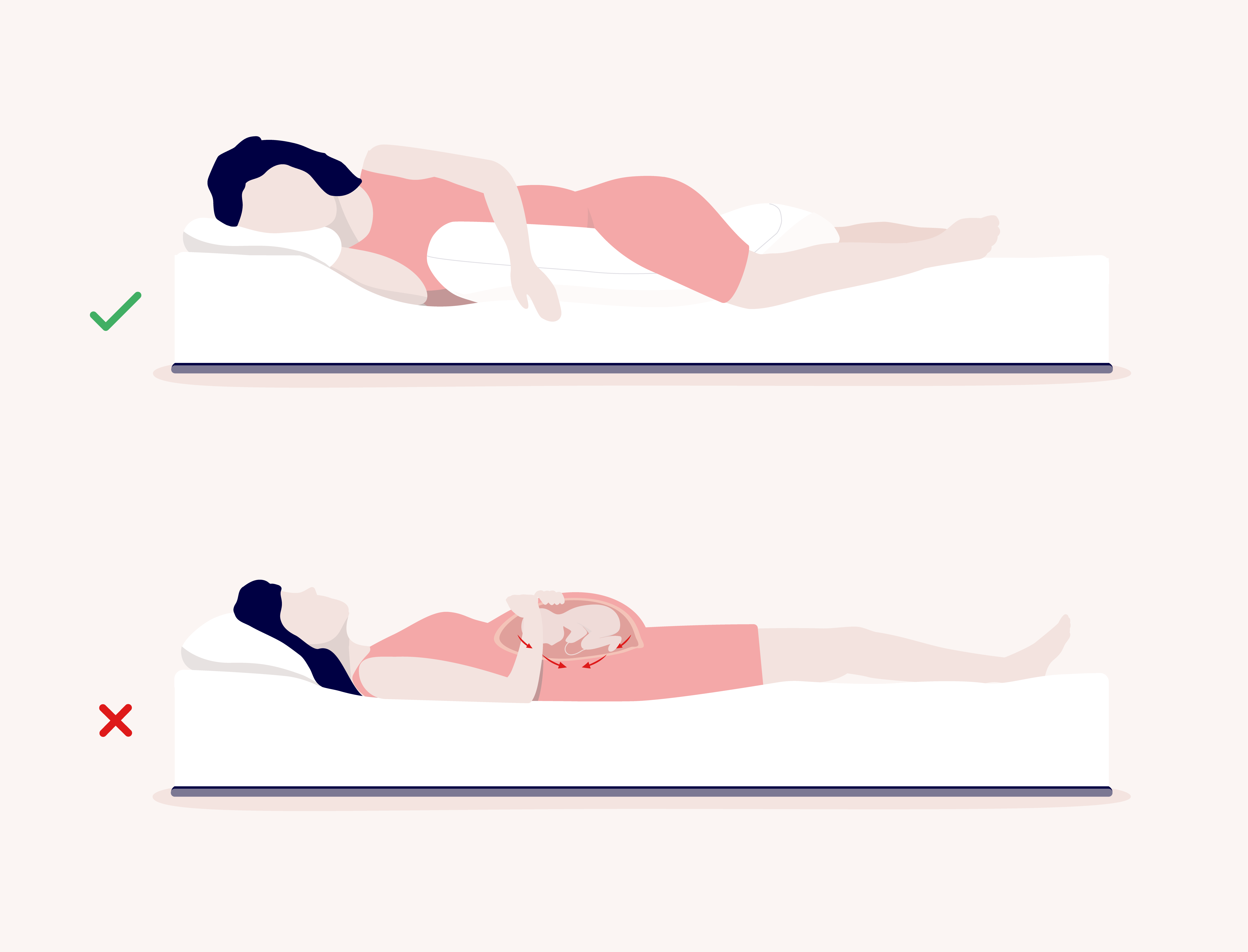
Can you sleep on your back when pregnant? This is a common question in the discourse on pregnancy health.
In early pregnancy, sleeping on your back may still feel comfortable. However, healthcare providers generally recommend side sleeping as pregnancy progresses.
According to the American College of Obstetricians and Gynecologists, lying flat on your back during the second and third trimesters may place pressure on major blood vessels due to the weight of the uterus. This pressure may affect blood flow to both the parent and the baby.
How to Sleep on Your Back
Ultimately, the “best” sleep position is the one that allows you to wake up feeling refreshed, mobile, and pain-free. While back sleeping offers significant advantages for spinal alignment and skin health, it is only effective if your environment is tailored to your body’s unique needs.
If you are transitioning to sleeping on your back for the first time, be patient, as it can take a few weeks for your muscles to adapt to a new alignment. By prioritizing a neutral spine and listening to your body’s cues, you can turn your sleep setup into a foundation for better long-term health.
Before you turn out the lights, use this quick checklist to ensure your body is set up for a restorative, pain-free night.
Key Takeaways |
|---|
|
|
|
|
|
|
 Test Your Mattress Firmness: Ensure your bed is medium-firm. Your hips should feel supported and level with your shoulders, not sinking into a “U” shape.
Our goal is to provide the information you need to find the mattress that’s right for you. Get started with some of our most popular mattress shopping resources:
- Best Mattress Guides: Best Mattress Canada, Best Mattress In a Box
- Reviews: Douglas Original, Logan & Cove Choice, Juno, Octave Vista
- Comparisons: Douglas vs Endy, Douglas vs Casper
We use independent, third-party engineering firms (commissioned by us) with the APEGA stamp of approval to conduct mattress testing on our behalf, using publicly available data. We review and test all mattresses on 40+ criteria we think are important to you, including price, country of manufacture, sleep trial, warranty, features, materials used, motion isolation and edge support ratings, customer satisfaction reviews, returns, and refunds.
We co-authored this article with Dr. James Keung, a dedicated healthcare provider with expertise in chiropractic care and massage therapy. The following tips, including those from Dr. Keung, are general recommendations and aren’t meant to replace your doctor’s professional diagnosis.
References:
- Bolton, R., Hulshof, H., Daanen, H. A. M., & van Dieën, J. H. (2022). Effects of mattress support on sleeping position and low-back pain. Sleep Science and Practice, 6(1). https://doi.org/10.1186/s41606-022-00073-x
- Can I sleep on my back when I’m pregnant? (n.d.). Www.acog.org. https://www.acog.org/womens-health/experts-and-stories/ask-acog/can-i-sleep-on-my-back-when-im-pregnant
- How to Prevent Choking on Acid Reflux While Sleeping. (n.d.). Verywell Health. https://www.verywellhealth.com/choking-on-acid-reflux-while-sleeping-5223924
- Saini, Y., Rai, A., & Sen, S. (2025). Relationship Between Sleep Posture and Low Back Pain: A Systematic Review. Musculoskeletal Care, 23(2), e70114. https://doi.org/10.1002/msc.70114
- Salamon, M. (2025, November). Is your sleep position helping or hurting you? – Harvard Health. Harvard Health. https://www.health.harvard.edu/healthy-aging-and-longevity/is-your-sleep-position-helping-or-hurting-you
- Sleeping positions that reduce back pain. (n.d.). Mayo Clinic. https://www.mayoclinic.org/diseases-conditions/back-pain/in-depth/sleeping-positions/art-20546852
- Why This Back-Sleeping Hack May Give You Sweeter Sleep. (2021, August 9). Healthline. https://www.healthline.com/health/sleep/sleeping-on-your-back-may-help-you-get-the-rest-you-need
Best Sleep
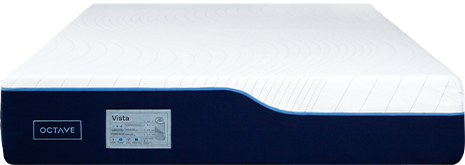
Octave Vista
Our Top Pick For a Good Night’s Sleep
- 365-night sleep trial and 15-year warranty
- Advanced cooling features and five-zoned support system
- Advanced memory foam for soothing pressure relief
FALL SAVINGS EVENT ON NOW! Get a FREE Premium Sleep Bundle + Duvet Set with every mattress purchase, Up to 20% OFF Bed Frames, and 15% OFF All Accessories. See website for details >
Sponsored Ad
Jump ahead:


 Save
Save
Save
Save