Sleep Calculator: Find Your Ideal Bedtime and Wake-Up Time
Updated: September 1, 2026
Have you ever wondered why you sometimes wake up feeling exhausted after a full 8 hours of sleep, yet feel oddly refreshed after only 6? It’s because the answer is not just how long you slept, but also when you wake up.
During the night, your brain moves through repeated sleep cycles that include light sleep, deep sleep, and REM sleep. Waking up during deep sleep can leave you feeling groggy and sluggish, even if you’ve spent enough time in bed. In contrast, waking closer to the end of a sleep cycle often feels more natural and refreshing.
That’s where a sleep calculator can help. Rather than simply counting how many hours you’ll sleep, a sleep calculator estimates the best times to go to bed or wake up based on your natural sleep cycles. While it isn’t a medical tool and won’t address every cause of poor sleep, it’s an evidence-based tool that can be a helpful for people who regularly wake up feeling unrested despite getting what seems like enough sleep.
According to the National Heart, Lung, and Blood Institute, sleep is essential for your overall well-being, drastically impacting your quality of life. A consistent sleep schedule, combined with waking at an appropriate point in your sleep cycle, may help improve how rested you feel each morning.
Use our sleep calculator below to find your ideal bedtime or wake-up time.
Recommended Amount of Sleep By Age
While cycles are important, the total volume of sleep still matters. Here are the general guidelines:
- Adults: 7 to 9 hours
- Teens: 8 to 10 hours
- Kids: 10 hours or more, depending on age
Curious about your specific requirements? Jump to: How Much Sleep You Actually Need.
Can a Sleep Calculator Help You Wake Up Feeling More Rested?
For many people, yes, but it depends on why you’re waking up tired.
A sleep calculator is a digital tool designed to help you wake up near the end of a natural sleep cycle instead of during deep sleep, when you’re more likely to experience sleep inertia, the groggy, disoriented feeling that can make it difficult to get out of bed or concentrate for the first hour of your day.
While individual sleep cycles vary, most adults complete a cycle approximately every 90 minutes, progressing through light, deep, and REM sleep before repeating. Timing your bedtime or wake-up time around these cycles may reduce morning grogginess and help you feel more refreshed.
Sleep expert Brooke Hohenadel explains that while sleep patterns naturally vary from person to person, maintaining a consistent sleep schedule is often more important than aiming for a “perfect” bedtime.
Who Should Use a Sleep Calculator?
A sleep calculator may be particularly helpful if you:
- Often wake up feeling groggy despite getting 7 to 9 hours of sleep.
- Have a fixed work or school schedule and want to determine the best bedtime.
- Want to establish a more consistent sleep routine.
- Are trying to improve your sleep habits without making major lifestyle changes.
However, it’s important to set realistic expectations. A sleep calculator can’t treat insomnia, sleep apnea, chronic pain, or other medical conditions that affect sleep quality. If you consistently wake up exhausted despite getting enough sleep and following a regular schedule for several weeks, it may be worth speaking with your healthcare provider to rule out an underlying sleep or medical condition.
For most healthy adults, though, a sleep calculator is a simple, evidence-based tool that can help you build better sleep habits and make mornings feel a little easier.
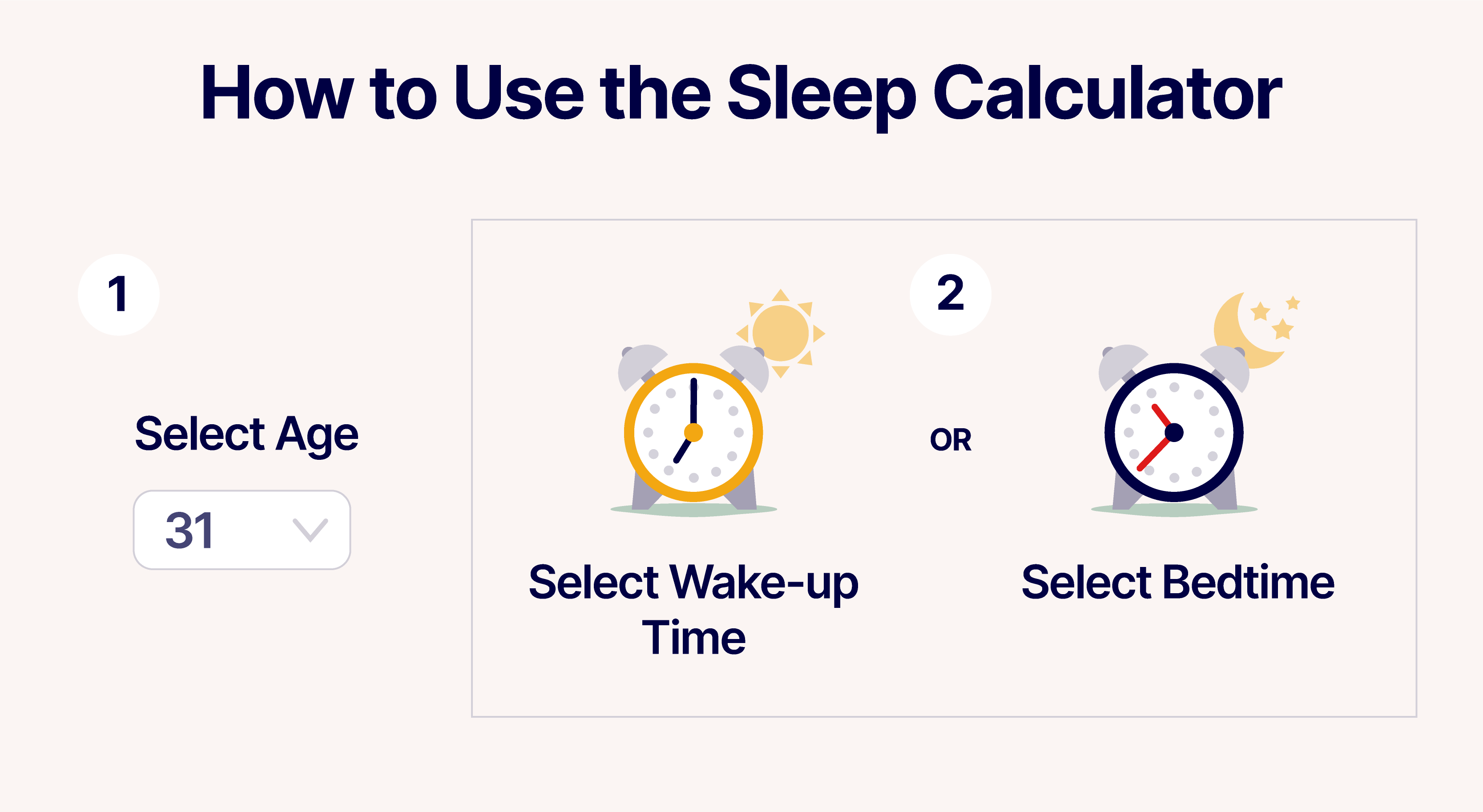
- Enter your age: Sleep needs change throughout life, so begin by selecting your age. The calculator uses this information alongside general sleep recommendations to provide more appropriate results.
- Select your desired bedtime or wake-up time:
- If you have a fixed wake-up time, enter the time you need to get up. The calculator works backwards in sleep cycles (90-minute increments) to estimate when you should aim to fall asleep.
- If you already have a regular bedtime, enter it. The calculator will estimate the best wake-up times based on completing full sleep cycles.
- This flexibility makes the calculator useful whether your mornings are fixed by work or school, or your evenings are planned around an existing routine.
- Receive your ideal sleep schedule and number of sleep cycles: Our sleep calculator will recommend 3 recommended wake-up or bedtimes based on your entered information to help you build a sleep schedule that works for your needs.
Remember that falling asleep takes time. One of the biggest mistakes people make is assuming they’ll fall asleep the moment they get into bed. In reality, most adults take about 10 to 20 minutes to fall asleep, a period known as sleep latency. Stress, caffeine, late-night screen use, and simply worrying about sleep, also known as sleep anxiety, can all make this process take longer.
As Hohenadel explains, “overly focusing or worrying about falling asleep keeps your brain alert and creates mental pressure. This anxiety makes it harder to relax, which only delays sleep further.”
To address this issue, our sleep Calculator automatically includes a 15-minute buffer before your estimated sleep time. For instance, if you aim for 7.5 hours of sleep and close your eyes at 11:30 PM, you are unlikely to fall asleep until around 11:45 PM. This 15-minute buffer, utilized by advanced sleep calculators, accounts for the delay in falling asleep and helps prevent your alarm from going off during deep sleep.
Why You May Still Wake Up Tired After “Enough” Sleep
If you’ve slept for seven to nine hours but still wake up feeling exhausted, the amount of sleep may not be the problem. Poor sleep quality, frequent interruptions, or underlying health conditions can all leave you feeling tired, even after what appears to be a full night’s rest.
A sleep calculator can help you build a more consistent sleep schedule and reduce the chances of waking during deep sleep, but it can’t address every cause of poor sleep. Understanding what else may be affecting your rest can help you decide whether changing your sleep habits will be enough.
Interrupted Sleep
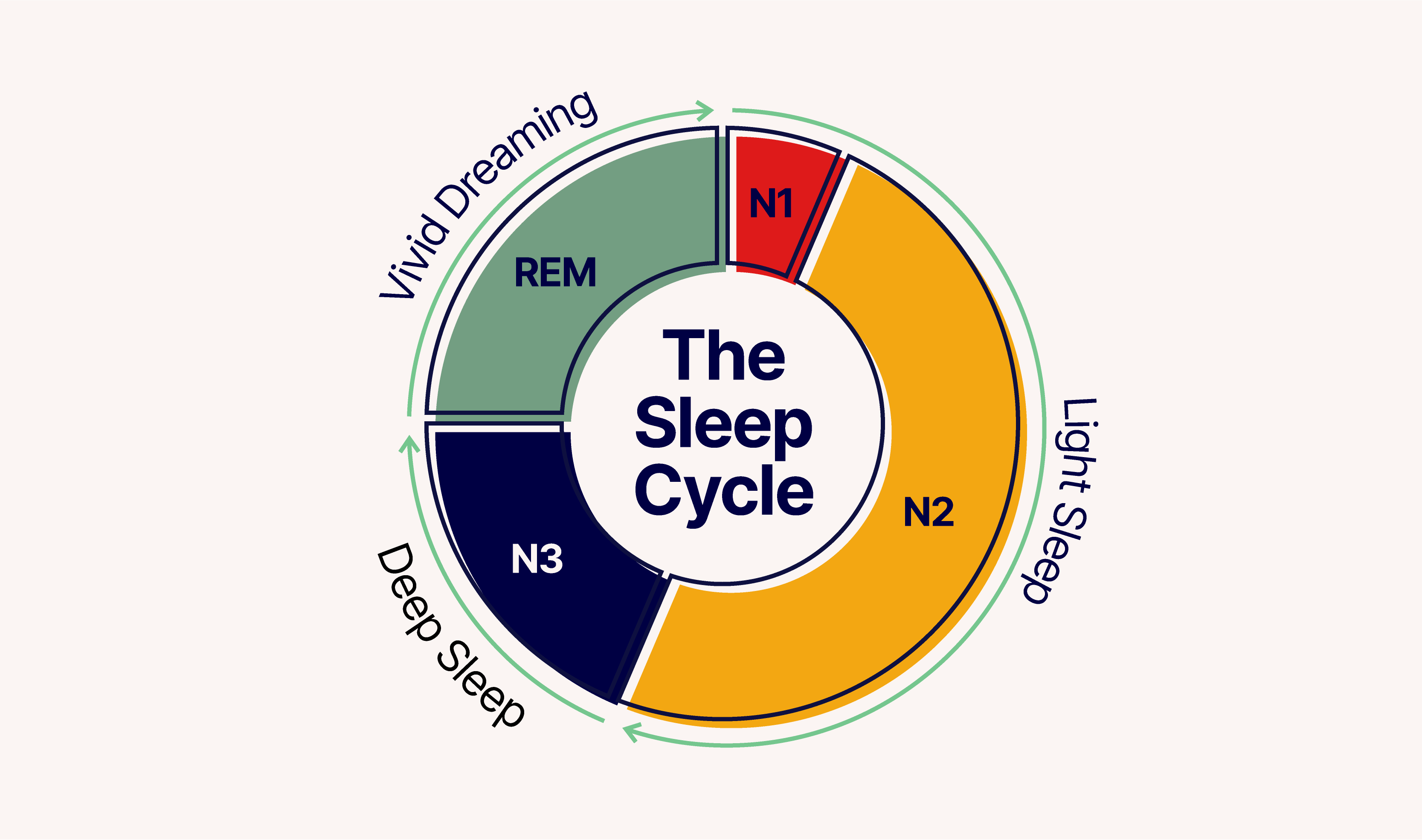
Your brain cycles through different stages of sleep throughout the night. Each cycle lasts 90 to 110 minutes and consists of four stages: light sleep (N1), memory consolidation (N2), physical recovery (N3 deep sleep), and mental processing (REM sleep). If those cycles are repeatedly interrupted by noise, pain, a restless partner, frequent bathroom trips, or caring for a child, your body may not spend enough time in the deeper stages of sleep that support physical and mental recovery.
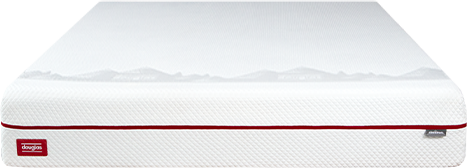
Even if you remain in bed for eight hours, interrupted sleep often feels far less restorative than uninterrupted sleep. A mattress with strong motion isolation, like Douglas Original, can help minimize nighttime disruptions for a better quality sleep. The secret to avoiding morning grogginess is waking up at the end of a full cycle rather than during deep sleep.
Stress and Anxiety
Stress doesn’t just make it harder to fall asleep. It can also affect the quality of your sleep throughout the night.
If you’re experiencing ongoing stress or racing thoughts, improving your sleep schedule may help, but managing the underlying stress is equally important.
Inconsistent Sleep Schedule
Sleeping until noon on weekends and waking up early during the work week can confuse your body’s internal clock.
“Maintaining a steady schedule is closely linked to better sleep quality, improved focus, and more stable energy throughout the day,” says Hohenadel.
Going to bed and waking up at roughly the same time every day, even on weekends, helps regulate your circadian rhythm (your body’s biological clock) and may improve how rested you feel over time.
Sleep Disorders
If you consistently wake up feeling exhausted despite getting enough sleep and following a regular schedule, an underlying sleep disorder may be contributing.
Conditions such as sleep apnea, restless legs syndrome, or chronic insomnia can repeatedly interrupt sleep without you realizing it. People with sleep apnea, for example, may briefly stop breathing hundreds of times during the night, preventing them from achieving restorative sleep.
Medications and other health conditions
Some prescription medications, alcohol, chronic pain, hormone changes, and medical conditions can also affect sleep quality. If you’ve consistently used a sleep calculator for several weeks, maintained a regular sleep schedule, and still wake up feeling excessively tired, it’s worth discussing your symptoms with your healthcare provider.
When Should You See a Doctor for Sleep?
Occasionally waking up tired is normal, especially after a stressful week or a poor night’s sleep. However, you should consider speaking with a healthcare professional if you:
- Wake up feeling exhausted most mornings despite getting enough sleep.
- Snore loudly, gasp for air, or stop breathing during sleep.
- Frequently struggle to fall asleep or stay asleep.
- Feel excessively sleepy during the day.
- Notice your fatigue is affecting your work, driving, or daily activities.
A sleep calculator is a useful tool for improving sleep habits, but persistent fatigue deserves a proper medical evaluation.
How Much Sleep Do You Really Need?
While your bedtime and wake-up time can affect your sleep quality, the actual number of hours of sleep you get is also important to consider.
According to sleep research, most healthy adults need between seven and nine hours of sleep each night, although the ideal amount varies depending on your age, lifestyle, and individual needs. Hohenadel explains that most adults complete four to six sleep cycles per night, with each cycle lasting roughly 90 minutes. For many people, this works out to approximately 7.5 to 9 hours of sleep.
That said, everyone has different sleep needs, which can change over time. You might find you need more or fewer hours of sleep depending on your lifestyle.
The table below outlines the general sleep recommendations for different age groups.
These recommendations are a helpful starting point, but they aren’t rules. Some people naturally need slightly more or less sleep depending on factors such as physical activity, stress, illness, pregnancy, or their natural chronotype.
The best indicator isn’t the number on the clock. It’s how you feel during the day. If you consistently wake up refreshed, stay alert throughout the day, and don’t rely heavily on caffeine to stay awake, you’re likely getting enough restorative sleep.
READ MORE: Is 6 hours of sleep enough?
How to Get the Best Results From a Sleep Calculator
A sleep calculator works best when it’s part of a consistent sleep routine rather than a one-time calculation. Small, sustainable habits often have a greater impact on your sleep quality than trying to find the “perfect” bedtime.
Keep a Consistent Schedule
Your body’s internal clock, also known as your circadian rhythm, thrives on routine. Try to go to bed and wake up at roughly the same time every day, including weekends. The more consistent your schedule, the easier it becomes for your body to fall asleep and wake up naturally.
Create a Sleep-friendly Environment
Your bedroom should make it easy for your body to relax.
Most sleep experts recommend keeping your room cool, quiet, and dark. A bedroom temperature of around 18°C is often considered ideal because your core body temperature naturally drops as you prepare for sleep.
Reducing light exposure is also important. Even the light from a phone or tablet can delay melatonin production, making it harder to fall asleep.
Limit Caffeine and Alcohol Before Bed
Caffeine can stay in your system for several hours and may delay sleep or reduce sleep quality, even if you fall asleep easily. Alcohol may make you feel sleepy initially, but it often disrupts the deeper stages of sleep later in the night, leaving you feeling less refreshed in the morning. Limiting both before bedtime could help improve your overall sleep quality.
Make Sure Your Mattress Supports Restful Sleep
Even the best sleep schedule won’t help if discomfort repeatedly wakes you during the night.
A supportive mattress, like our top mattress pick Douglas Original, that promotes good spinal alignment and reduces pressure points can help minimize unnecessary awakenings and improve overall sleep quality. Research suggests that medium-firm mattresses provide a good balance of comfort and support for many adults, although the ideal mattress depends on your body type and sleeping position.
If you frequently wake up with aches, stiffness, or discomfort, your mattress could be contributing to your poor sleep.
If you are struggling with specific physical issues, an adjustable bed (such as the Douglas adjustable bed) can be very helpful. Elevating your head can significantly reduce snoring and acid reflux, while raising your feet can improve circulation and relieve pressure on your lower back.
READ MORE: Check out our top-ranked mattresses in Canada
Don’t Chase Perfect Sleep
One of the biggest mistakes people make is becoming overly focused on sleeping perfectly every night.
Hohenadel encourages a more flexible approach. She advises us to listen to our bodies and allow sleep to come naturally when we feel sleepy. “Avoid believing you are a ‘bad sleeper,’ as this can create anxiety. Instead, view sleep patterns as flexible and adaptable, and make small adjustments over time to find your balance.”
Improving your sleep is usually about consistency, not perfection. Give your body time to adapt to a new routine, usually 1 to 2 weeks, before deciding whether it’s working.
When a Sleep Calculator May Not Be the Right Solution
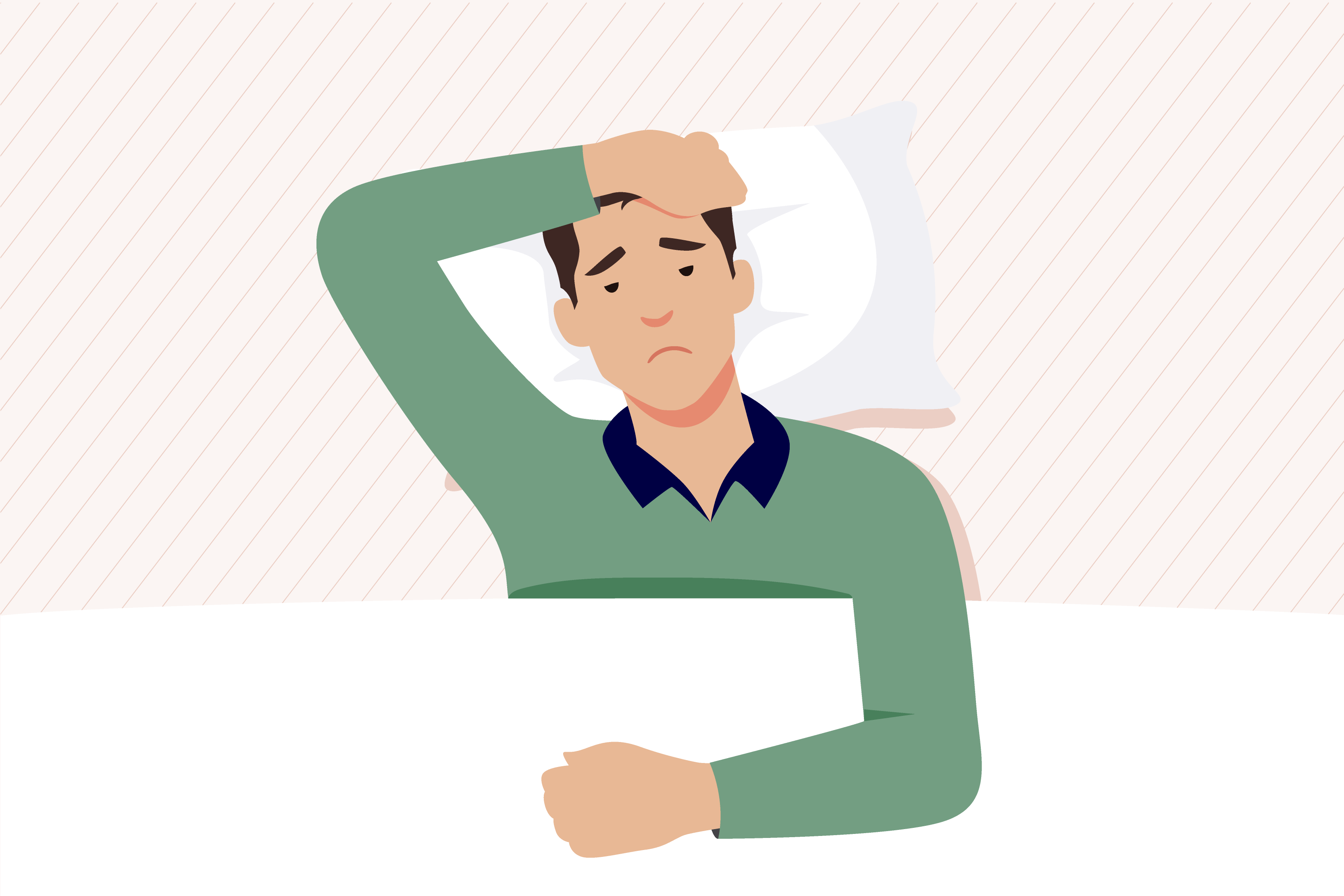
“As a sleep consultant, I consider sleep to be one of the best forms of ‘health insurance’ because it gives the body time to heal, restore, and recover,” explains Hohenadel. A sleep calculator can be a helpful tool for improving your sleep routine, but it isn’t the answer to every sleep problem. If your fatigue is caused by an underlying sleep disorder, medical condition, or lifestyle factor, changing your bedtime alone may not improve how you feel.
Below are some situations in which a sleep calculator may offer limited benefits.
If You Have Insomnia
Insomnia is a common sleep disorder that makes it difficult to fall asleep, stay asleep, or causes you to wake up much earlier than intended. Sleep calculators, which estimate sleep based on typical sleep cycles, become less accurate for sleepers who have insomnia.
In the short run, sleep loss can make you irritable, kill your attention span, and slow your reaction times, drastically increasing your risk of accidents. To put this in perspective, staying awake for 17 to 19 hours impairs cognitive function to a level comparable to being legally drunk.
In the long run, as Hohenadel notes, chronic sleep deprivation can adversely affect nearly all major systems in the body. Research by renowned neuroscientist Dr. Matthew Walker suggests that long-term sleep loss may be associated with a higher risk of cognitive decline and Alzheimer’s disease.
If you think you have insomnia, consult your healthcare provider, as addressing underlying issues can be more effective than simply changing your bedtime.
If You Work Night or Rotating Shifts
Shift workers face a unique challenge because their work schedules often conflict with their bodies’ natural circadian rhythms. Even if you get the recommended number of hours, sleeping during the day can make it harder to get restorative sleep due to light exposure, noise, and your body’s natural preference for sleeping at night.
Consistently missing sleep also builds “sleep debt” (i.e., the difference between how much sleep your body needs and what it’s actually getting). You cannot fix this just by sleeping in on weekends. This constant exhaustion weakens your immune system, leaving you vulnerable to getting sick and poorly equipped to handle daily stress.
A sleep calculator can still help you plan your sleep around your work schedule, but it cannot fully overcome the biological challenges associated with shift work.
If You Have an Irregular Schedule
Frequent travel, changing work hours, or inconsistent bedtimes can make it difficult for your body to establish a predictable sleep rhythm. If your schedule changes every few days, focus first on creating as much consistency as possible. For example, try waking up at the same time on days off or keeping the same bedtime routine while traveling.
Once your sleep and wake times become more regular, a sleep calculator can provide more meaningful recommendations.
If You Wake Up Tired Every Day Despite Getting Enough Sleep
As Hohenadel explains, sleep plays a key role in regulating metabolism, supporting immune system function, and maintaining emotional balance. If you find that you still wake up feeling exhausted despite consistently following a healthy sleep schedule and getting 7-9 hours of sleep each night, the problem may lie elsewhere, rather than in the timing of your sleep.
Persistent fatigue can sometimes be linked to conditions such as:
- Sleep apnea
- Restless legs syndrome
- Chronic pain
- Depression or anxiety
- Thyroid disorders
- Certain medications or other medical conditions
A sleep calculator cannot diagnose or treat these issues. If fatigue is persistent or affecting your daily life, it’s important to speak with your healthcare provider.
Conclusion
A sleep calculator works best as a tool for improving sleep habits, not diagnosing sleep problems.
If your main challenge is an inconsistent bedtime or waking up feeling groggy despite otherwise healthy sleep habits, it can be an excellent place to start. However, if your symptoms continue despite making consistent changes, a medical evaluation may help identify other factors affecting your sleep quality.
Remember: a better night’s sleep is the first step toward a more vibrant, healthy, and productive life.
Disclaimer: We co-authored this article with certified sleep consultant Brooke Hohenadel. The following tips, including those from Hohenadel, are general recommendations and aren’t meant to replace your doctor’s professional diagnosis. Always consult your physician before making any changes to your personal healthcare.
Frequently Asked Questions
Is a sleep calculator accurate?
A sleep calculator provides an estimate based on typical 90-minute sleep cycles and the average time it takes most people to fall asleep. While individual sleep patterns vary, it can be a useful tool for establishing a more consistent sleep schedule and reducing the likelihood of waking during deep sleep.
Can a sleep calculator help me wake up feeling less tired?
It may. If your grogginess is caused by waking during a deep sleep stage, adjusting your bedtime or wake-up time according to a sleep calculator can help you feel more refreshed. However, if poor sleep quality, a sleep disorder, or another medical condition is causing your fatigue, a sleep calculator alone is unlikely to solve the problem.
What if I have to wake up at the same time every day?
That’s actually one of the best situations in which to use a sleep calculator. Simply enter the time you need to wake up, and the calculator will estimate bedtimes that allow you to complete full sleep cycles before your alarm goes off.
How many hours of sleep is recommended for adults?
For most healthy adults, the standard recommendation is between 7 and 9 hours of restorative sleep per night. Consistently hitting this target ensures your body has enough time to complete the five to six sleep cycles necessary for physical and cognitive recovery.
READ MORE: Is 6 hours of sleep enough?
How many hours of sleep do women need?
While women generally fall within the 7–9 hour range, hormonal fluctuations related to the menstrual cycle, pregnancy, and menopause can increase the need for additional rest. These biological changes often cause sleep disruptions, making the quality and consistency of sleep even more vital for long-term health.
Does your need for sleep change with age?
Yes, sleep requirements decrease significantly as you move from infancy to adulthood, with infants requiring up to 17 hours and teens needing 8–10. While older adults still need about 7–9 hours of sleep, they often sleep lighter and may find it harder to stay asleep throughout the night.
Is it normal to still feel tired after sleeping for 8 hours?
It’s possible to feel exhausted if your sleep quality was poor or if you were awakened during a deep sleep stage rather than at the end of a cycle. Persistent fatigue despite 8 hours of rest could also indicate underlying conditions such as sleep apnea or significant sleep debt.
Can a sleep calculator cure insomnia?
No, it can’t. A sleep calculator is a tool designed to help estimate ideal bedtimes and wake-up times, but it does not treat insomnia or other sleep disorders. If you regularly struggle to fall asleep, stay asleep, or wake up feeling exhausted despite healthy sleep habits, it’s best to consult a healthcare professional.
Is sleeping in on weekends a good way to catch up on sleep?
Occasionally sleeping a little longer after a poor night’s sleep is normal, but regularly sleeping in for several hours on weekends can disrupt your body’s internal clock. Keeping a consistent sleep-wake schedule throughout the week generally leads to better sleep quality than trying to “catch up” on missed sleep.
What is sleep debt?
Sleep debt is the cumulative effect of consistently getting less sleep than your body requires for peak performance. It acts like a financial deficit; the more rest you miss, the longer the recovery period your physical and mental health requires, which can’t always be fixed with a single long nap.
Is it healthy to nap during the day?
Short power naps lasting 10 to 20 minutes can boost alertness and mood without causing the grogginess associated with waking from deep sleep. However, long or late-afternoon naps can can make it difficult to fall asleep at your scheduled bedtime, potentially interfering with your circadian rhythm.
What is the best time to go to bed?
The ideal bedtime is a consistent hour that allows you to complete five or six full 90-minute sleep cycles before your required wake-up time. Aligning your bedtime with your body’s natural rhythm, usually when your energy naturally dips in the evening, helps you fall asleep faster and stay asleep longer.
Is 6 hours of sleep enough?
While some people believe they can function on 6 hours of sleep, research suggests that chronic short sleep can lead to subtle cognitive decline and increased health risks. Over time, getting only 6 hours of sleep can be just as damaging to your focus and reaction time as total sleep deprivation.
READ MORE: Is 6 hours of sleep enough?
How long should I try a new sleep schedule before deciding whether it works?
Give your body at least 1 to 2 weeks to adjust to a new routine. Your circadian rhythm doesn’t reset overnight, and consistency is one of the biggest factors in improving sleep quality. If you’re still waking up tired after several weeks of maintaining a consistent schedule, consider whether other factors may be affecting your sleep or speak with your healthcare provider.
References:
- Åkerstedt, T., Fredlund, P., Gillberg, M., & Jansson, B. (2000). Work load and work hours in relation to disturbed sleep and fatigue in a large representative sample. Occupational and Environmental Medicine, 57(10), 649–653. https://doi.org/10.1136/oem.57.10.649
- Canadian Society for Exercise Physiology. (2020). Canadian 24-hour movement guidelines for adults: An integration of physical activity, sedentary behaviour, and sleep. https://csepguidelines.ca/
- Carskadon, M. A., & Dement, W. C. (2011). Normal human sleep: An overview. In M. H. Kryger, T. Roth, & W. C. Dement (Eds.), Principles and practice of sleep medicine (5th ed., pp. 16–26). Elsevier Saunders.
- Harvard Health Publishing. (2019, April 1). Women and sleep: One simple step to a longer, healthier life. Harvard Medical School. https://www.health.harvard.edu/womens-health/women-and-sleep-one-simple-step-to-a-longer-healthier-life
- Mander, B. A., Winer, J. R., Jagust, W. J., & Walker, P. M. (2016). Sleep: A novel mechanistic pathway, biomarker, and treatment target in the pathology of Alzheimer’s disease? Trends in Neurosciences, 39(8), 552–566. https://doi.org/10.1016/j.tins.2016.05.002
- National Heart, Lung, and Blood Institute. (2022, March 24). Sleep deprivation and deficiency. U.S. Department of Health and Human Services. https://www.nhlbi.nih.gov/health/sleep-deprivation
- National Heart, Lung, and Blood Institute. (2022, March 24). Why is sleep important? U.S. Department of Health and Human Services. https://www.nhlbi.nih.gov/health/sleep/why-sleep-important
- Patel, A. K., Reddy, V., Shumway, K. R., & Araujo, J. F. (2024). Physiology, sleep stages. StatPearls Publishing. https://www.ncbi.nlm.nih.gov/books/NBK526132/
- WebMD. (2024, May 15). What is sleep debt? https://www.webmd.com/sleep-disorders/what-is-sleep-debt