

- 365-night sleep trial and 15-year warranty
- Advanced cooling features and five-zoned support system
- Advanced memory foam for soothing pressure relief






Our pick for best mattress for back pain in Canada in 2026 is the Octave Vista (best foam) or Logan & Cove Choice (best hybrid). Both scored highest in independent 3rd-party APEGA-certified engineer testing for deflection that supports spinal alignment, responsiveness, pressure relief, and other factors linked to sleep comfort.
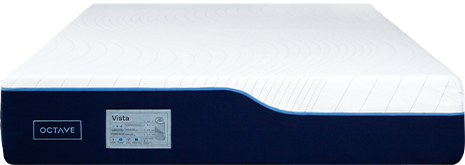
If you’re looking for one mattress that offers the best combination of support, pressure relief, cooling, and value, the Octave Vista is our top recommendation for mattresses for back pain in Canada.
Octave Vista’s medium-firm feel (6.8/10) and five-zone support system help keep your spine properly aligned while reducing pressure around the shoulders, hips, and lower back. This balance of support and cushioning makes it a strong choice for most sleep positions.
For most back pain sufferers, a medium-firm mattress provides the right balance of support and cushioning. As Dr. James explains, a good medium-firm mattress helps “reduce pressure on the shoulders and hips while preventing the pelvis from sinking too much”, which may reduce strain on the muscles, ligaments, and discs that support the spine.
Sleeping on the right mattress is important because back pain affects roughly 4 in 5 Canadians, and an old, sagging, or overly firm mattress can worsen symptoms by either allowing poor spinal alignment or creating uncomfortable pressure points.
To identify the best mattresses for back pain in Canada, our team reviewed more than 120 mattresses using independent third-party engineer testing (commissioned by us) alongside 40+ evaluation criteria. We also worked with medical professionals to help validate the factors most important for people experiencing back pain.
Octave reports that 88% of owners with back pain said switching to an Octave mattress helped with their back pain, based on a survey from February 2026.



Below are the best mattresses for back pain in Canada, including our top foam and hybrid recommendations:



Our Top Pick For a Good Night’s Sleep

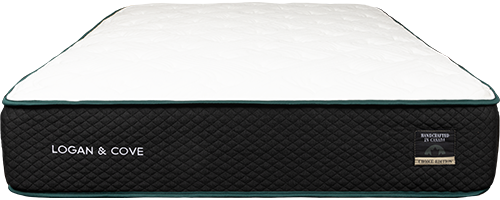
The manufacturing origin listed here is based on the law label of the specific mattress we tested. Learn more >
Our Pick for Best Luxury Hybrid Mattress

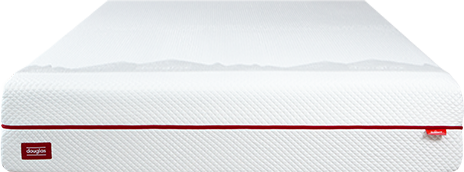
The manufacturing origin listed here is based on the law label of the specific mattress we tested. Learn more >
Best Canadian Foam Mattress

The manufacturing origin listed here is based on the law label of the specific mattress we tested. Learn more >
Best Canadian Value Hybrid Mattress

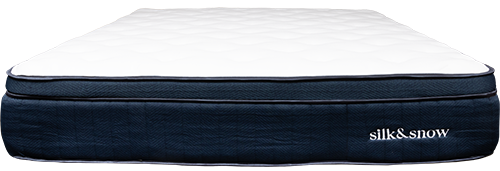
The manufacturing origin listed here is based on the law label of the specific mattress we tested. Learn more >
An Average Bed-In-a-Box Hybrid

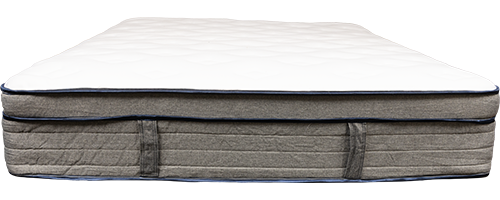
The manufacturing origin listed here is based on the law label of the specific mattress we tested. Learn more >
Canadian Hybrid with Zoned Support
Not all mattresses are designed with back pain in mind. The best mattresses for back pain combine pressure relief, spinal support, and targeted reinforcement to help keep your body properly aligned while you sleep.
The most important feature to look for in a mattress for back pain is a balance of pressure relief and support.
Pressure-relieving comfort layers help cushion areas like the shoulders and hips, while supportive layers underneath help keep your spine in a neutral position. Without adequate support, your hips can sink too deeply into the mattress, placing additional strain on your lower back and surrounding muscles.
Many of the highest-ranked mattresses in this guide, including the Octave Vista and Logan & Cove Choice, use zoned support systems that provide extra reinforcement beneath the hips and lumbar region while allowing greater pressure relief around the shoulders. As Dr. James Keung explains, “Pressure relief alone is inadequate without structural support. Also, support alone is not enough without pressure redistribution. We will always recommend a good combination of both.”
Research consistently shows that medium-firm mattresses provide the best balance of comfort and support for most people with back pain.
A mattress that’s too soft may allow your spine to fall out of alignment, while one that’s too firm can create uncomfortable pressure points around the shoulders, hips, and lower back. Most of the top-rated mattresses in this guide fall within the medium-firm range because it accommodates the widest range of sleepers and sleeping positions.
Back pain can make getting in and out of bed more difficult. A mattress with strong edge support provides a more stable surface for sitting and standing while also helping you feel supported across the entire sleep surface.
Hybrid mattresses such as Logan & Cove Choice often perform particularly well in this area because of their reinforced coil systems.
Poor sleep can make back pain feel worse, and overheating is one of the most common causes of restless sleep. Cooling features help regulate temperature and create a more comfortable sleep environment.
Look for features like breathable covers, cooling fibres, phase-change materials (PCM), copper-infused foams, and airflow-promoting coil systems. These technologies help reduce heat buildup so you can sleep more comfortably with fewer disruptions.
Mattresses like the Octave Vista and Douglas Summit stand out for their advanced cooling technologies, making them strong options for sleepers who experience both back pain and overheating.
If you share a bed, your partner’s movements can disrupt your sleep throughout the night. Good motion isolation helps absorb movement before it travels across the mattress, reducing sleep disturbances and helping you stay comfortable until morning. Memory foam and individually wrapped pocket coils are particularly effective at minimizing motion transfer.
The best mattress for back pain isn’t necessarily the firmest mattress. Instead, it’s one that provides the right combination of pressure relief, support, spinal alignment, and comfort for your body type and sleeping position.
That’s why our top recommendations consistently feature medium-firm support, targeted zoning, pressure-relieving comfort layers, and strong overall support performance.
“A medium-firm mattress that provides zoned support is an excellent choice for someone aiming to feel less back pain.” – Dr James Keung |
|---|
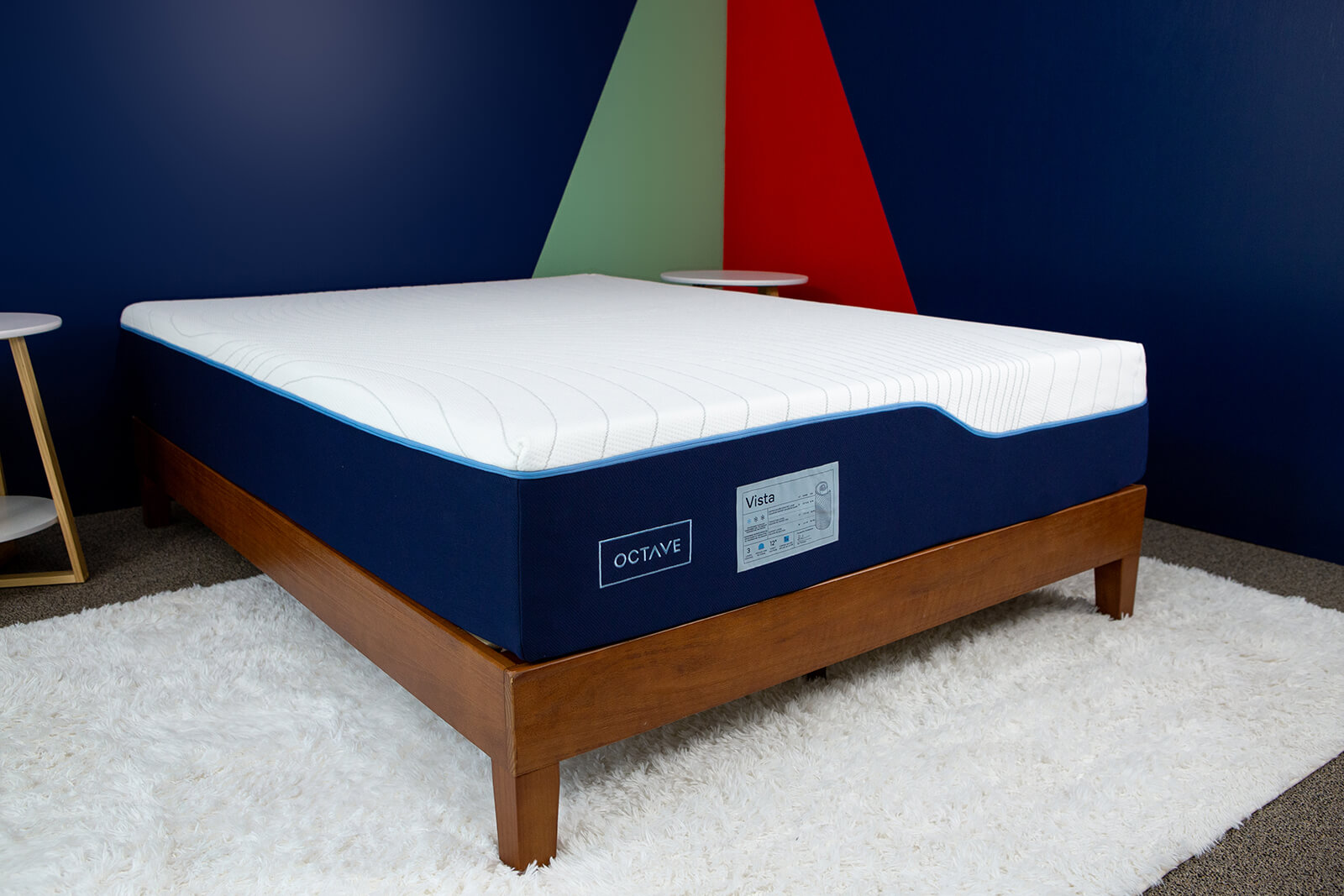
The Octave Vista is our top pick for lower back pain because it combines medium-firm support with a five-zone support system designed to help keep the spine properly aligned throughout the night.
Lower back pain is often aggravated when the hips sink too deeply into the mattress, placing additional strain on the lumbar region. Dr. James explains that “maintaining the natural curve of your lower back during sleep is key to reducing unnecessary strain”. The Octave Vista provides targeted reinforcement beneath the hips and lower back while cushioning pressure points around the shoulders and joints, helping maintain a more neutral sleep posture.
In addition to its strong support performance in independent third-party engineer testing (commissioned by us), Octave reports that 86% of surveyed owners with back pain experienced reduced pain after switching to an Octave mattress.
Why we recommend Octave Vista for lower back pain:
Read Octave Vista Review Shop Octave Vista
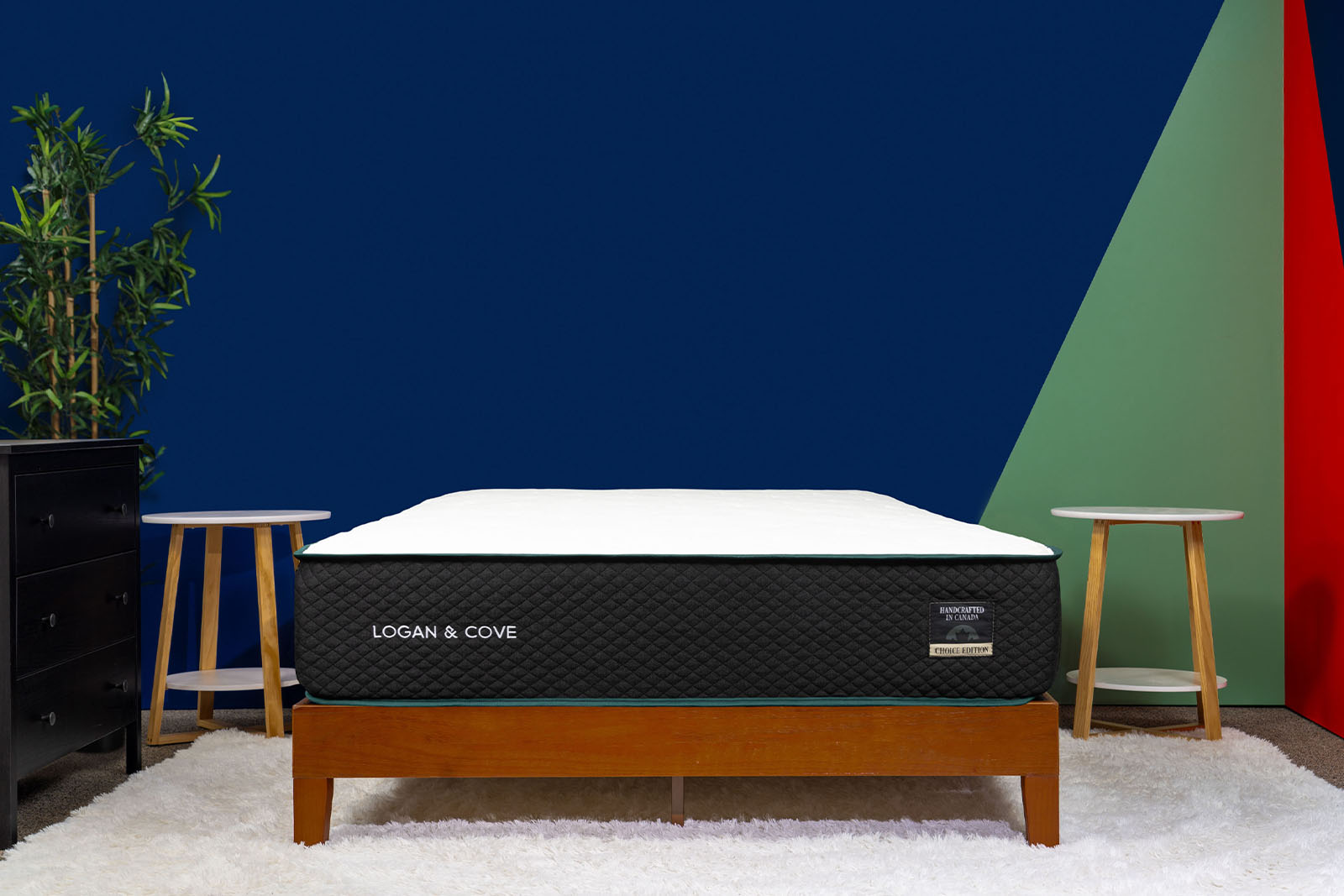
The Logan & Cove Choice is our top recommendation for upper back and shoulder pain because it provides an excellent balance of pressure relief and support.
Upper back and shoulder discomfort often occurs when the shoulders cannot sink comfortably into the mattress, forcing the upper spine out of alignment. Logan & Cove Choice uses pressure-relieving comfort layers combined with a zoned pocket coil system that helps cushion the shoulders while supporting the rest of the body.
This makes it a good option for side sleepers looking for comfort while still maintaining healthy spinal alignment throughout the night.
Why we recommend Logan & Cove for upper back and shoulder pain:
Pillow tip: Your pillow matters too. A medium-loft pillow can help keep your head, neck, and upper spine aligned, especially if you sleep on your side.
Read Logan & Cove Choice Review Shop Logan & Cove Choice
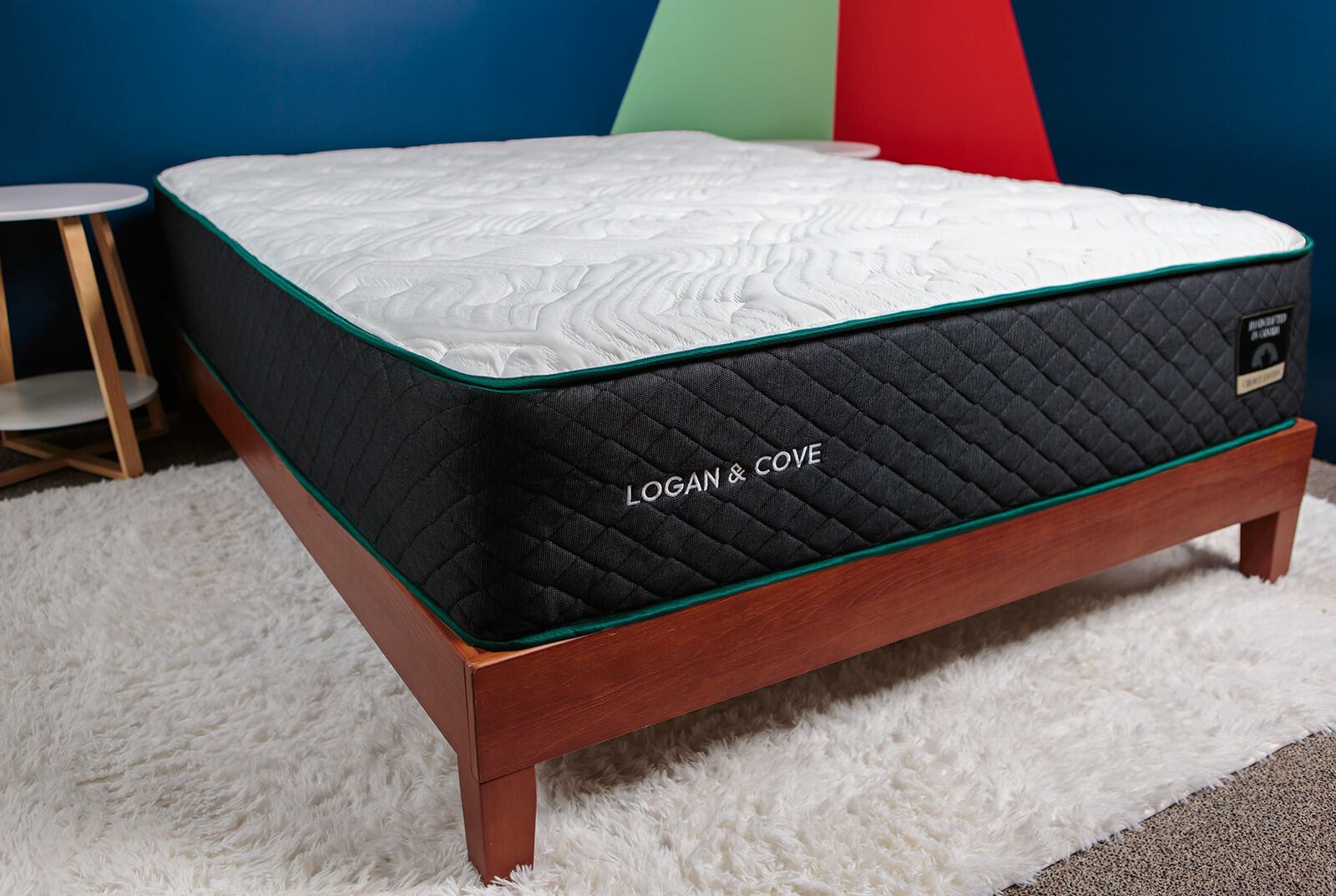
The Logan & Cove Choice is our top pick for side sleepers with back pain because it provides the pressure relief side sleepers need without sacrificing support.
When sleeping on your side, the shoulders and hips need enough cushioning to sink comfortably into the mattress. At the same time, the lower back and midsection need adequate support to prevent the spine from falling out of alignment. Dr. Keung warns that a mattress that’s too firm can create painful pressure points at the shoulders and hips, while one that’s too soft can allow the spine to fall out of alignment.
The Logan & Cove Choice achieves this balance with pressure-relieving comfort foams and a three-zone pocket coil system that provides targeted support where it’s needed most.
Why we recommend Logan & Cove for side sleepers with back pain:
Budget alternative: Juno Hybrid offers many of the same benefits, including zoned coil support and pressure-relieving comfort layers, at a more affordable price.
Read Logan & Cove Choice Review Shop Logan & Cove Choice

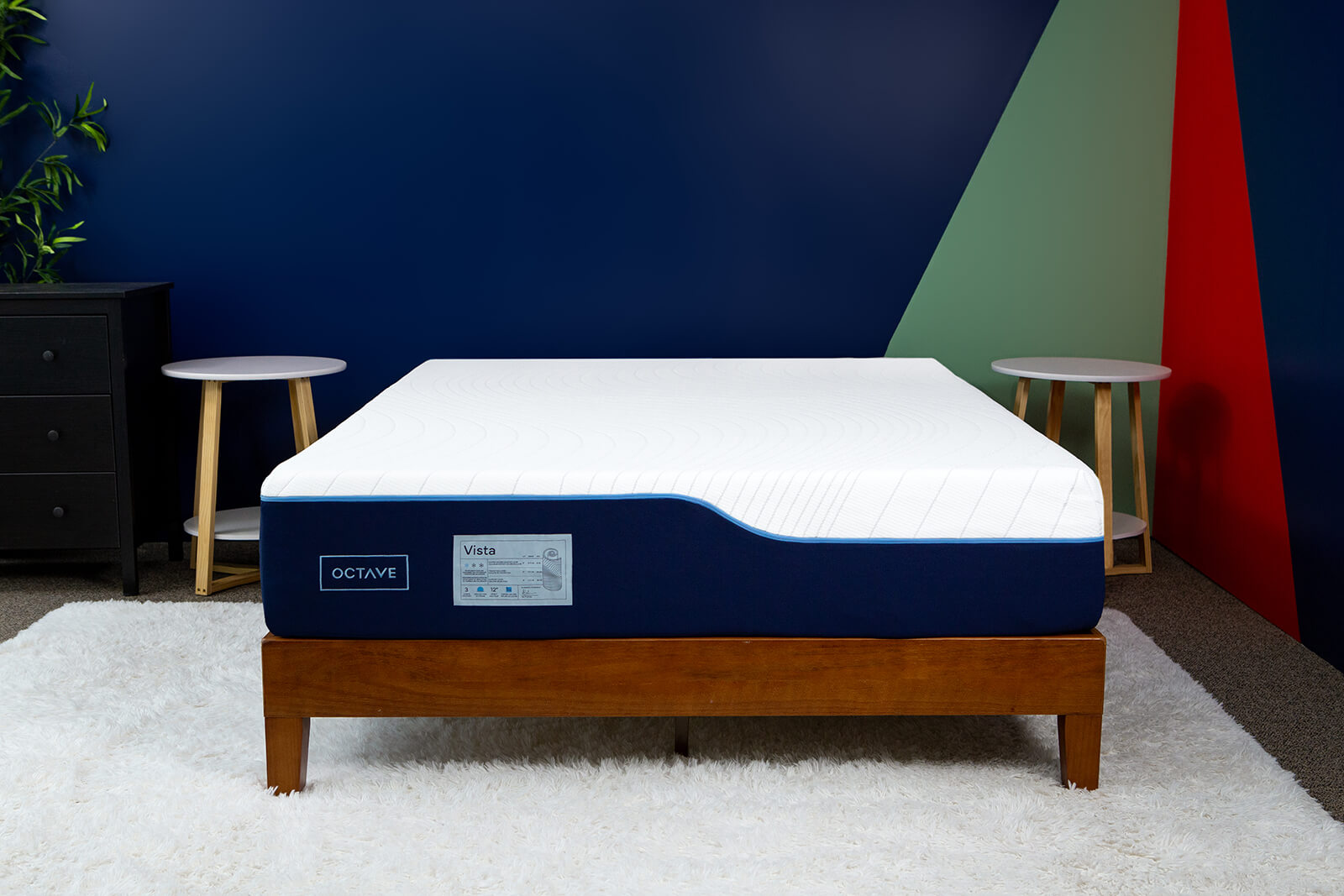
The Octave Vista is our top recommendation for back sleepers with back pain because it provides the support needed to help maintain the spine’s natural alignment while sleeping on your back.
Back sleepers generally benefit from a mattress that prevents the hips from sinking too deeply while still providing enough cushioning for overall comfort. Dr. James explains that good spinal alignment during sleep means keeping the ears, shoulders, and hips roughly in line, with no visible tilting or rotation. Octave Vista’s medium-firm feel and five-zone support system help distribute weight evenly and provide targeted support beneath the lower back and hips.
This combination helps promote a more neutral sleeping posture and reduces the risk of waking up with stiffness or discomfort.
Why we recommend Octave Vista for back sleepers with back pain:
Sleep Tip: Placing a pillow beneath your knees can help reduce pressure on the lower back and improve comfort while sleeping on your back.
Also consider: Douglas Summit, if you tend to sleep hot and want more advanced cooling features to help regulate temperature while still providing strong lumbar support.
Read Octave Vista Review Shop Octave Vista

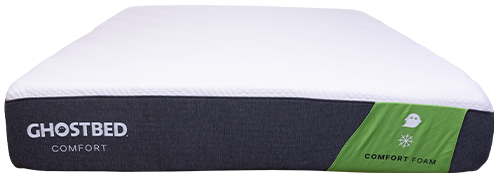
The manufacturing origin listed here is based on the law label of the specific mattress we tested. Learn more >
Medium-Firm Foam Mattress With Limited Cooling

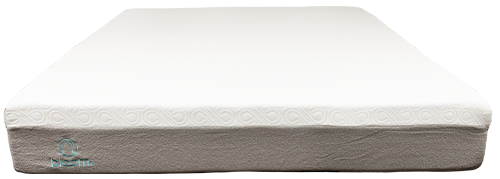
The manufacturing origin listed here is based on the law label of the specific mattress we tested. Learn more >
Memory Foam Mattress With No Refunds

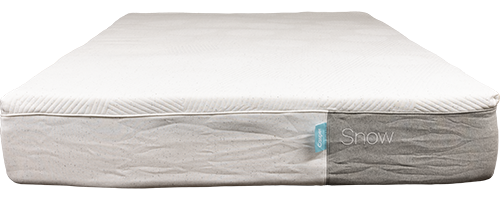

The manufacturing origin listed here is based on the law label of the specific mattress we tested. Learn more >
High-Priced Cooling Hybrid Mattress

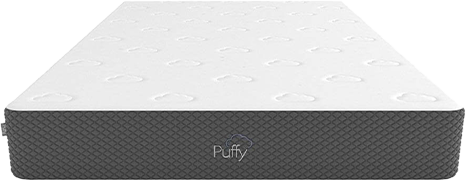
The manufacturing origin listed here is based on the law label of the specific mattress we tested. Learn more >
Memory Foam Mattress with Limited Cooling Features
A medium-firm mattress is the best choice for most people with back pain.
Research shows that medium-firm mattresses provide a good balance of pressure relief and support. They help cushion pressure points while keeping the spine properly aligned throughout the night.
A mattress that’s too firm can create pressure around the shoulders and hips, while one that’s too soft may allow the hips to sink too deeply and strain the lower back.
Yes. While back pain can have many causes, an unsupportive mattress can contribute to poor spinal alignment and increase pressure on sensitive joints and muscles. If your back pain is worse in the morning and improves throughout the day, your mattress may be contributing to the problem.
The most important mattress features for back pain are medium-firm support, pressure relief, spinal alignment, and zoned support. These features help keep the spine properly supported while reducing pressure around the shoulders, hips, and lower back. Many of the highest-rated mattresses in this guide, including Octave Vista and Logan & Cove Choice, incorporate these design features.
Both memory foam and hybrid mattresses can work well for back pain. The most important factors are proper support, the right level of firmness, pressure relief, and spinal alignment.
If you prefer deeper pressure relief and body contouring, a memory foam mattress like Octave Vista may be the better choice. If you prefer stronger edge support, greater responsiveness, and easier movement, a hybrid mattress like Logan & Cove Choice may be a better fit.
A medium-firm memory foam with zoned support or a zoned hybrid mattress is typically the best choice for lower back pain.
Memory foam mattresses contour to the lower back and help relieve pressure, while zoned hybrid mattresses combine pressure relief with targeted support through the lumbar and hip areas.
Our top picks are the Octave Vista for memory foam and the Logan & Cove Choice for hybrid support.
Keep in mind that comfort is personal. As Dr. Keung notes, “the best mattress is ultimately the one that feels most supportive and comfortable for your body.” That’s why a generous sleep trial can be just as important as the mattress itself. Both Octave and Logan & Cove come with 365-night sleep trials.
READ MORE: What’s the best sleeping position for lower back pain?
A medium-firm mattress with good pressure relief and targeted support is typically best for upper back pain.
Look for a mattress that allows your shoulders to sink slightly into the comfort layer while keeping the rest of your spine properly supported. Mattresses with natural or imitation latex layers (such as Octave Vista) help relieve specific pressure points in the upper back and shoulders. Zoned support systems can be particularly helpful because they provide different levels of support across the mattress.
Your pillow also plays an important role. Dr. James warns that “when a pillow is too high or too low, it can place unnecessary strain on the neck and upper back”. Choosing a pillow that keeps your head and neck aligned with the rest of your spine can help improve comfort and support.
A medium-firm memory foam with zoned support or a zoned hybrid mattress is typically the best choice for lower back pain.
Memory foam mattresses contour to the lower back and help relieve pressure, while zoned hybrid mattresses combine pressure relief with targeted support through the lumbar and hip areas.
Our top picks are the Octave Vista for memory foam and the Logan & Cove Choice for hybrid support.
Heavier sleepers generally benefit from a supportive hybrid mattress like Logan & Cove, with zoned coils and reinforced edge support.
Hybrid mattresses are designed to provide more pushback and durability than many all-foam mattresses, helping maintain spinal alignment and reduce the risk of sagging over time. Look for a mattress with zoned support, high-density foams (at least 1.8 lb/cu ft), and a medium-firm feel that provides both cushioning and support.
Not necessarily. For most people, a medium-firm mattress is the better choice. A mattress that’s too firm can create pressure points around the shoulders and hips, while one that’s too soft may allow the body to sink too deeply and strain the lower back.
According to Dr. James Keung, several research shows that medium-firm mattresses strike a balance between comfort and support, which is why they’re often recommended for people with back pain.
Back sleeping is generally considered the best sleeping position for back pain because it helps keep the spine in a neutral position. Placing a pillow under your knees can further reduce pressure on the lower back.
Side sleeping is another good option, especially with a pillow between the knees to help keep the hips, pelvis, and spine aligned. Dr. Keung also recommends using a slightly higher pillow to support your head and neck, so your head does not hang all night downwards.
Stomach sleeping is the least recommended position because it can place additional strain on the neck and lower back.
READ MORE: How to Sleep on Your Back
Your mattress may be contributing to your back pain if you regularly wake up stiff or sore and feel better as the day progresses. Other signs include visible sagging, body impressions, worsening pain after sleeping, or a mattress that is more than 7–10 years old.
Most people notice improvement within 2 to 4 weeks of switching to a supportive mattress.
Your body may need time to adjust to a new sleep surface, especially if you’ve been sleeping on an unsupportive mattress for years. This adjustment period is one reason many mattress brands offer sleep trials ranging from 120 to 365 nights.
If your pain doesn’t improve after several weeks or gets worse, you may need a different firmness level or support system. Dr. James further explained that although research recommends a medium-firm mattress, individual differences exist. Ultimately, it is best to try out the mattress and see which one suits you best.
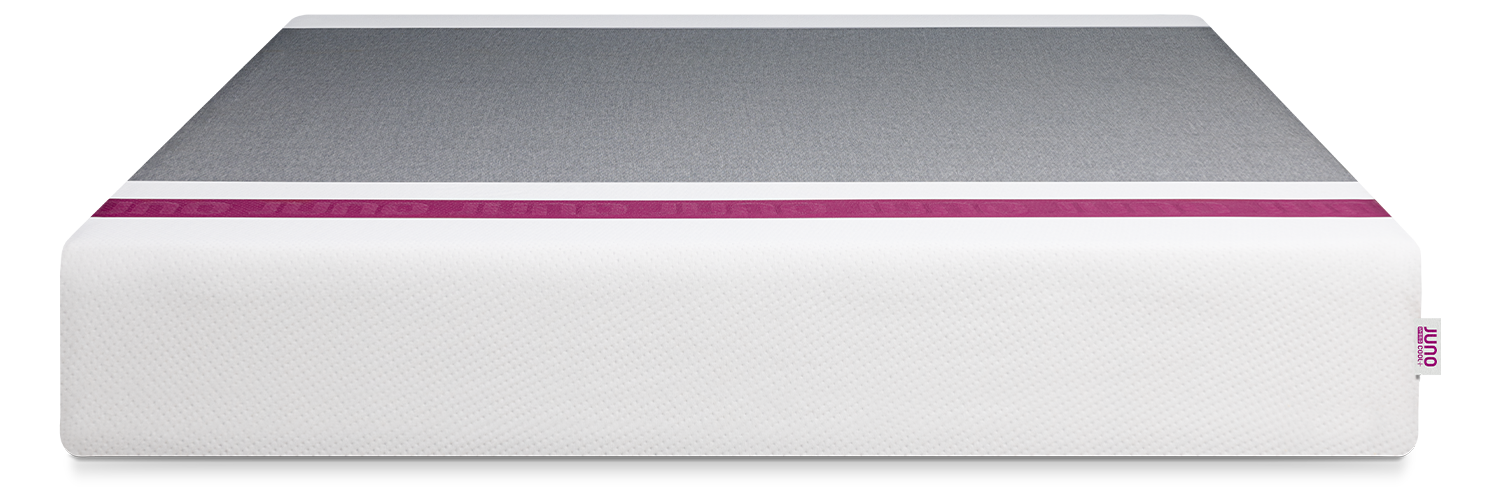
The Juno Hybrid is our top pick for back pain under $1,000. Priced at $649 for a queen size, it combines zoned pocket coils, supportive foam layers, and reinforced edge support, features commonly recommended for people experiencing back pain. It also includes a 120-night sleep trial, free shipping to most Canadian locations, and a free bedding bundle, making it a strong value option.
Yes. An adjustable base can help reduce pressure on the lower back by allowing you to elevate your head and legs.
Many people find that slightly raising their knees helps relieve tension in the lumbar region, similar to placing a pillow under the knees while sleeping.
When paired with a compatible mattress, an adjustable base can improve comfort and provide additional support for people with chronic back pain.
READ MORE: Best Adjustable Beds
We co-authored this article with Dr. James Keung, a dedicated healthcare provider with expertise in chiropractic care and massage therapy. The following tips, including those from Dr. Keung, are general recommendations and aren’t meant to replace your doctor’s professional diagnosis.
References:
This allows us to accurately rate and compare the performance of the mattresses reviewed on this website. Engineer independence and operating standards help ensure their results remain unbiased, valid, and reliable.
Each mattress was evaluated using the same strict mattress testing methodology to protect the overall integrity of the results. Foam and hybrid mattress test results are scored on separate scales to ensure fair contextual performance representation as much as possible. The full report has been given the official stamp of approval from an APEGA-certified engineer operating under a strict ethical code of conduct.
Mattress testing conducted outside of this professional standard poses a greater risk of validity errors or reviewer bias.
You May Prefer:
9.8/10
Octave mattresses are designed with premium foams and high-end materials for engineered comfort and superior cooling, so you can feel refreshed and prepared to tackle the day’s challenges. Get a 365-night sleep trial, 15-year warranty, and FREE bedding bundle with your mattress purchase.
Sponsored Ad
Octave Vista
 Made in

Best Overall Mattress
Forbes Vetted, 2025
Best Sleep
Our Top Pick For a Good Night’s Sleep
CANADA DAY SALE ON NOW! Get a FREE Premium Sleep Bundle + Duvet Set with every mattress purchase, Up to 20% OFF Bed Frames, and 15% OFF All Accessories. See website for details >
Sponsored Ad
Table of Contents


 Save
Save
Save
Save